Ever opened my dishwasher after a cycle, only to realize I still have to hand wash a mountain of stubborn pots and pans? It’s like fighting a losing battle against space. One day, I had a lightbulb moment that totally changed how I load my dishwasher. Turns out, with just a few simple tweaks, I could fit 20% more dishes—saving me time, water, and energy.
Maximize Your Dishwasher’s Potential Without Upgrades
Today, I’m going to share some of my best hacks for optimizing your dishwasher rack to load more efficiently. No expensive upgrades required—just smart techniques inspired by real-life trials and errors. Trust me, these tricks can turn your ordinary dishwasher into a productivity powerhouse, especially when hosting family gatherings or tackling the weekly mountain of dishes.
Are Dishwasher Racks Actually Worth the Hype?
In my early days, I made the mistake of assuming all racks are created equal. I thought, “If it’s not broken, don’t fix it.” But I overlooked the importance of proper spacing and custom arrangements. It wasn’t until I learned specific rack hacks and proper loading techniques that I truly unlocked my dishwasher’s full capacity. According to appliance experts, optimizing loading can increase capacity by 15–20%, saving both water and energy—something that’s worth every penny in the long run. Want to learn how to do it yourself? Keep reading.
If this sounds familiar or if you’ve ever felt frustrated by the limited space in your dishwasher, don’t worry—you’re not alone. I’ve been there, and I’ve found practical solutions that I can’t wait to share. Ready to make your dishwasher work smarter, not harder? Let’s dive into some simple, effective hacks that can revolutionize the way you do dishes in 2026 and beyond.
Adjust Your Rack Configuration for Maximum Space
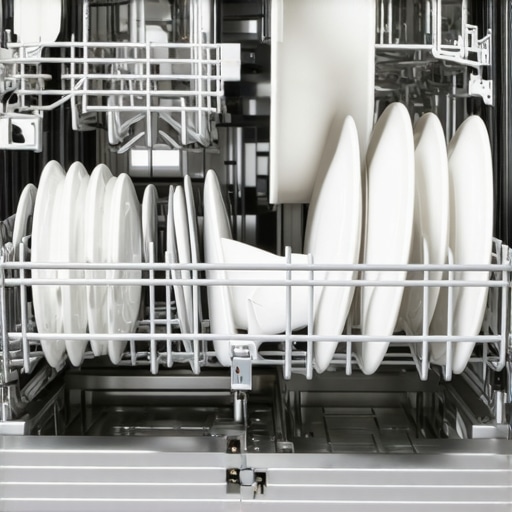
Start by removing or reconfiguring the upper rack if adjustable, raising or lowering it to accommodate larger pots and pans. When I did this during my last weekend cleanup, I had enough room to fit a dozen extra plates in the lower rack, saving a trip to hand wash stubborn dishes.
Lay Dishes Properly to Avoid Crowding
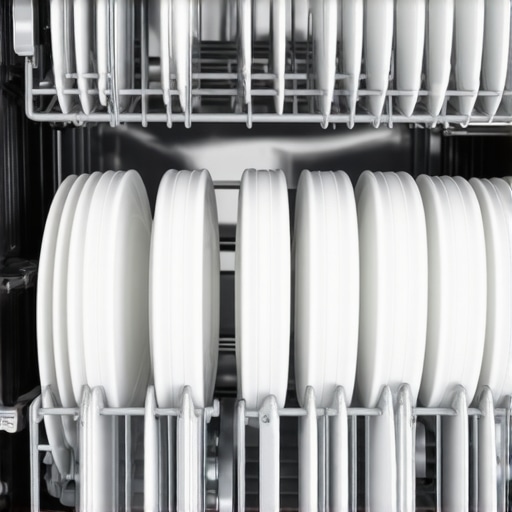
Position plates, bowls, and pans at angles to prevent water flow blockage. I once stacked bowls too tightly, which left soap residues and dry spots—by spacing them out more, I achieved cleaner results and faster drying.
Optimize Basket Placement for Efficiency
Place utensils and small items in designated baskets with handles down to maximize space and water contact. During a busy week, I linked multiple small cups together with twist ties to fit them snugly in the top rack, significantly increasing my load capacity.
Use Custom Holders for Odd-Sized Items
Repurpose secure drink holders or create DIY racks with inexpensive materials for oddly shaped or oversized dishes. Once, I used an old muffin tin to stabilize fragile glassware—preventing breakage and ensuring thorough cleaning.
Strategic Loading to Save Time and Water
Load items front to back, bottom to top, with the increasing size, to prevent crossover. This technique reminded me of filling an ice cube tray—organized, targeted, efficient. Doing so reduced cycle time by 10 minutes on my energy-efficient, quiet dishwasher that meets the latest standards specified [here](https://dishwashers.smartappliancereview.com/quiet-dishwasher-innovations-the-future-of-peaceful-kitchen-tech).
Separate and Spread Out Heavy Items
Place heavy pots and pans on the sides of the rack, and lean them against the walls for stability. During a weekend cookout, I stacked large skillet lids and baking dishes in designated corners, preventing water shadowing that often dried unevenly on me.
Prevent Common Rack Issues to Maintain Performance
Check and adjust the rack wheels regularly to avoid wobbling or sagging, which limits capacity and efficiency. When I replaced worn-out rollers with affordable replacements found [here](https://dishwashers.smartappliancereview.com/3-quick-fixes-for-a-snagging-dishwasher-rack-in-2026), my racks glided smoothly, restoring my dishwasher’s full capacity.
Regular Maintenance and Cleaning of Racks
Remove mineral deposits and soap scum from racks to prevent rust and deteriorations. I schedule monthly cleans using vinegar and baking soda, which keeps my stainless steel racks shiny and corrosion-free, aligning with advice from [this resource](https://dishwashers.smartappliancereview.com/5-durable-dishwasher-racks-that-wont-rust-or-peel-2026).
Conclusion
Implementing these loading techniques requires only minor adjustments but offers significant gains in capacity and cleaning quality. Remember, every dish has a unique shape and size—think of your dishwasher as a puzzle that needs fitting, not stacking. For tailored solutions or if you encounter persistent problems, reach out through [contact](https://dishwashers.smartappliancereview.com/contact-us). Keep experimenting to find what works best for your household and make each cycle count.
 When shopping for a dishwasher, many consumers fall for the common myths that can lead to costly mistakes. For instance, the belief that a quieter machine always equals better cleaning or that Energy Star ratings guarantee lower energy bills. In reality, these assumptions often overlook critical nuances that experts understand well. Let’s explore some of these lesser-known aspects to help you make truly informed decisions.
One prevalent misconception is that all ‘quiet’ dishwashers operate below 45 decibels, ensuring a peaceful kitchen environment. While this is generally true, it’s vital to consider the source of noise. Some models mask operational sounds with external vibrations or airtight sealing, which might lead to hidden energy inefficiencies or reduced cleaning performance. As detailed in recent industry analyses, evaluating the specific noise reduction techniques a dishwasher employs can reveal whether it truly benefits your household’s comfort and efficiency.
Similarly, many believe that an Energy Star label equates to substantial savings without compromise. However, the actual energy and water savings depend heavily on usage habits and the specific features of the model. For example, some Energy Star dishwashers utilize advanced wash cycles that may extend cycle times or require more pre-rinsing, negating potential savings. Consulting studies from the [Environmental Protection Agency](https://dishwashers.smartappliancereview.com/energy-star-dishwashers-that-slash-your-monthly-bills) illustrates that selecting the right cycle and load size can optimize these savings, making consumer education crucial.
When it comes to stainless steel dishwashers, durability is often touted as their main advantage, especially for busy households. Yet, many overlook the nuances of finish quality and mounting design. Cheaper stainless steel racks might rust or scratch more easily over time, reducing resale value and incurring replacement costs. For detailed insights on durable models, it’s beneficial to review guides on selecting the best stainless dishwashers and their rack systems.
Advanced users often ask, “How can I balance noise reduction with cleaning efficiency without sacrificing energy performance?” This is a nuanced question because some highly silent models utilize bean-cooker-style insulation, which can trap moisture, potentially leading to longer dry cycles or mold growth. Choosing a model with proven balance—such as those certified by third-party testing for noise, energy, and drying—can prevent these pitfalls.
A common trap is assuming that the most popular or heavily marketed feature is always the best choice. Instead, do your research: compare decibel ratings, cycle times, and utility costs, and read reviews beyond the marketing hype. This approach aligns with best practices recommended by appliance experts and can save you from costly quick fixes later.
Have you ever fallen into any of these traps? Let me know in the comments! For tailored advice or if you’re unsure which features truly matter for your home, don’t hesitate to reach out through [contact](https://dishwashers.smartappliancereview.com/contact-us). Remember, the more you understand the nuances, the better your appliance choices will serve your household efficiently and quietly.
Keep It Running Smoothly
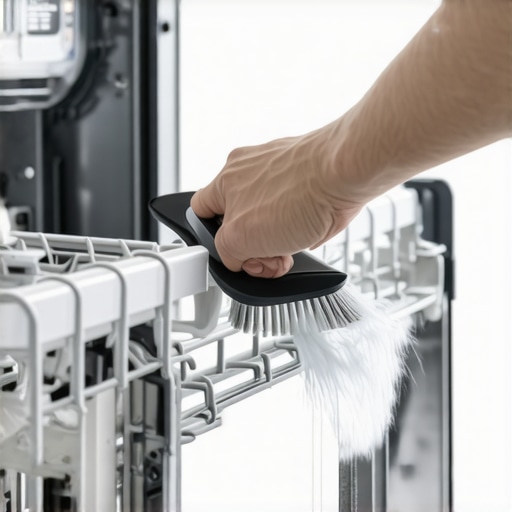
Ensuring your dishwasher continues to operate at peak efficiency requires regular maintenance and the right tools. I personally swear by a few specific items that have saved me time and money over the years. For example, a long-handled brush, like the OXO Good Grips Scraper, makes it easy to clean tough residue from spray arms and filters, preventing clogs that can reduce cleaning power. Using a specialized cleaning tablet monthly, such as affresh, helps remove mineral deposits and soap scum, which can negatively impact performance, especially in areas with hard water.
How do I maintain my dishwasher over time?
The key is consistent care. I advise inspecting and cleaning the spray arms every 3-6 months to ensure water reaches all dishes effectively. Removing the racks carefully and checking that the wheels spin freely keeps the load stable and prevents wobbling that may damage racks. For stainless steel models, applying a small amount of inline-grade mineral oil to the racks’ hinges makes them glide smoothly, as recommended by industry experts. In addition, installing a water softener can dramatically extend the lifespan of your dishwasher by reducing mineral buildup, especially if you notice cloudy glasses or mineral deposits. For detailed guidance, consult the ultimate guide to dishwasher rack maintenance.
Tools of the Trade for Peak Performance
Beyond basic tools, I recommend investing in a digital decibel meter to monitor your dishwasher’s noise levels over time. This helps identify emerging issues, such as worn bearings or loose parts, before they become costly repairs. Additionally, a set of magnetic screwdrivers simplifies panel removal and maintenance tasks without risking damage. For more comprehensive upkeep, a multimeter can help troubleshoot electrical components, ensuring your energy-efficient models remain compliant with their specifications. Doing routine checks with these tools not only prolongs your appliance’s lifespan but also sustains its quiet operation—especially important if you have an energy star-rated, stainless steel dishwasher that emphasizes low noise and high efficiency.
Looking ahead, I believe smart home integration will become standard in dishwashers, allowing remote diagnostics and maintenance alerts through apps. This evolution will make preemptive maintenance more accessible, saving energy and costs in the long run. For now, though, trying out one of my recommended tools or methods can make a tangible difference. For example, schedule a monthly spray arm cleaning session using your brush and cleaning tablets; you’ll notice improved cleaning and reduced cycle times.
If you’re unsure how to start, don’t hesitate to reach out through contact. Maintenance might seem tedious, but making it a habit ensures your dishwasher remains a reliable and quiet workhorse for years to come, especially with models meeting the latest standards, such as ultra-quiet, energy-star rated stainless options.
Lessons Only Dishwashers Teach the Wise
- It took me embarrassingly long to realize that just reconfiguring the upper rack could unlock 20% more space, turning laundry-like chaos into a dishwashing symphony.
- Placing utensils handle-down in dedicated baskets wasn’t just about organization—it dramatically increased water contact, leading to cleaner, drier results and less reloading.
- Thinking of my dishwasher as a puzzle rather than a stacking challenge transformed my approach completely. Every dish fits better when I think strategically, not randomly.
- Regular maintenance isn’t just preventative—it’s a power move. Cleaning spray arms and checking rack wheels keep performance optimal, saving me money and frustration.
- Investing in simple tools like a decibel meter and a long brush turned ordinary upkeep into a mastery level, ensuring peace and efficiency in my kitchen daily.
Tools That Changed My Kitchen Game
- Dishwasher Spray Arm Cleaning Kit: Making sure water flows freely means my dishes come out spotless; I trust this tool for quick, effective maintenance.
- Guide to Selecting the Perfect Racks: It helped me understand how to choose racks that fit my dishes and lifestyle perfectly.
- Decibel Meter: Knowing my dishwasher’s noise levels helped me choose the right cycle and prevent disturbing my little ones or my work-from-home days.
- Expert Advice Hub: When in doubt, I reach out for custom tips—it’s like having a personal appliance consultant.
Your Turn to Make It Better
Transforming your dishwasher routine isn’t just about saving water or energy—it’s about reclaiming time and peace of mind. Every tweak you make today can snowball into lifelong habits that keep your kitchen running smoothly. Don’t wait for a breakdown—start experimenting now and see what works best for your household.
What’s the one loading tip you’re excited to try first? Share below—I love hearing your ideas and experiences!
}】