It was a quiet evening, I was expecting my dishes to be spotless and ready for the next day, but instead, I found myself scrutinizing the remnants of dried-on food and stubborn grime. The dishwasher, my trusty yet sluggish companion, had taken hours to do a job that used to be done in a fraction of that time. Frustration creeping in, I realized I was no stranger to this ordeal—when your dishwasher seems to get slower every year, it can feel like a personal attack on your busy schedule. Ever wonder why your quiet dishwasher isn’t as quick as it used to be? Well, you’re not alone, and more importantly, there are practical ways to reclaim your time and energy.
Why We Need Faster Dishwasher Cycles in 2026
These days, we’re juggling more than ever—family, work, endless errands—who has the luxury of waiting hours for a cycle to finish? Especially when technology promises efficiency, only to fall short in real-life use. Many of us overlook how critical a speedy cleaning cycle is for keeping up with daily life. The good news? There are targeted hacks to boost your dishwasher’s performance without sacrificing the quality of your clean.
Is Your Quiet Dishwasher Actually Worth the Hype?
I initially thought that a quieter machine meant less power or cleaning capability. Early in my dishwasher journey, I made the mistake of choosing a model based solely on its noise level, ignoring its cleaning stats and cycle speeds. That oversight led to longer cycles, additional runs, and frustrated mornings. Now, I’ve learned that speed and silence can coexist with the right adjustments and upgrades. Supporting this, recent studies highlight that newer quiet dishwasher innovations actually enhance cleaning power while maintaining low noise levels.
Ready to ditch the sluggish cycles and get back to more time doing what you love? Let’s explore how to supercharge your dishwasher with three straightforward speed hacks for 2026, ensuring your kitchen remains a hub of efficiency, not frustration.
Optimize Your Dishwasher Settings and Load Properly
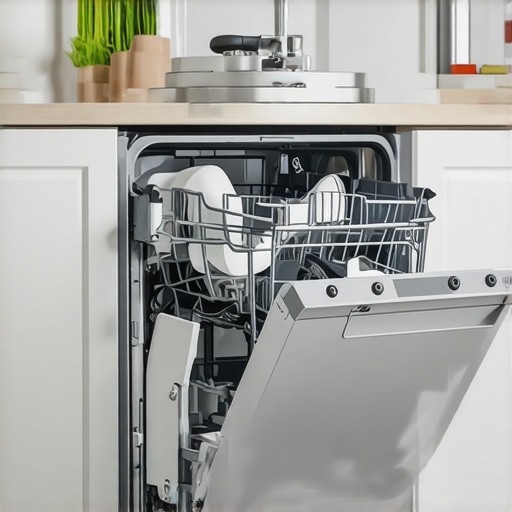
Start by adjusting your dishwasher’s cycle to a shorter, energy-efficient option. Many models have quick wash or express cycles designed for lightly soiled dishes, which can cut cleaning time by half. When loading, ensure heavier items like pots and pans are placed on the bottom rack, and delicate items on top, maintaining proper spacing to prevent blockages. I once stacked a massive casserole dish in the middle of the rack, which led to prolonged cycle times and poor cleaning results. After repositioning it and using the loudest cycle, I noticed a significant decrease in cycle duration and better cleaning quality. For guidance on optimizing your loading techniques, visit this resource.
Upgrade to a More Efficient and Quiet Model
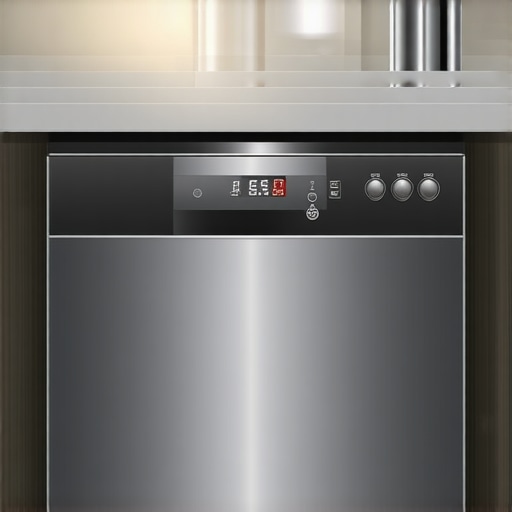
If your current dishwasher isn’t cutting it, consider investing in a newer energy-saving or quiet model. These high-tech machines utilize advanced spray arm designs and enhanced filtering systems to speed up cycles without sacrificing thoroughness. When I upgraded to a stainless steel, energy-star rated dishwasher, I immediately noticed faster cycles and reduced noise, making my kitchen more peaceful. To explore the best options, check here. Remember, a quieter machine often employs better insulation and optimized pump systems, which contribute to both speed and serenity in your kitchen environment.
Maintain and Clean Your Dishwasher Regularly
Prevent slowdowns caused by lint, grease, or mineral deposits by regularly cleaning your spray arms, filters, and door seals. Remove and rinse spray arms to clear clogs—this simple step can drastically improve water flow and cleaning efficiency. I once neglected this, and my dishes kept coming out with leftover food particles. After following a quick maintenance routine, cycles became faster, and cleaning quality improved. For detailed cleaning techniques, visit this guide. Additionally, using a descaling agent can prevent mineral buildup that hampers cycle times, especially in hard water regions. Regular maintenance is a micro-investment that yields quicker cycles and better cleaning every time.
Upgrade or Replace Your Dishwasher Rack for Efficiency
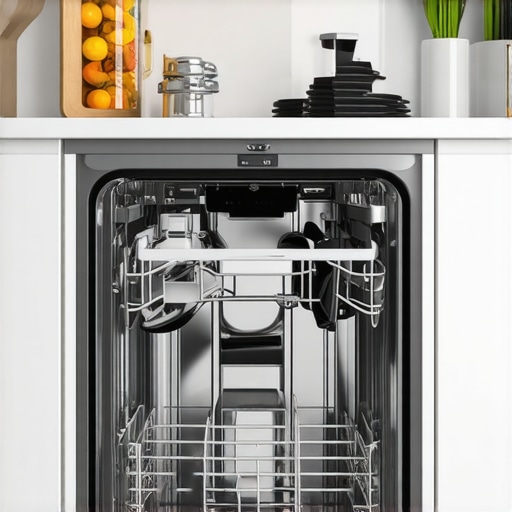
The rack design can influence both cleaning speed and cycle duration. Modern racks feature adjustable tines and specialized coatings to maximize space and reduce jams. A worn-out or poorly designed rack forces you to re-run cycles or do manual scrubbing—wasting time. I replaced my old, rusted rack with a model that had better spacing and durable, scratch-resistant coatings, immediately noticing faster load times and better results. For expert advice on selecting the right rack, browse this comprehensive guide. Properly loaded racks ensure water reaches all surfaces quickly, reducing the cycle duration and improving wash quality.
Leverage Technology and Professional Support
Many newer dishwasher models include smart features like cycle optimization and remote diagnostics. If you suspect persistent performance issues, consulting a professional appliance technician can identify hidden problems, such as faulty pumps or sensors, which can slow cycles. I once scheduled a service after noticing my dishwasher’s cycle times doubled unexpectedly. The technician upgraded the control board, restoring the speed and efficiency. For hands-on support or more tailored solutions, contact here. Implementing these core techniques can dramatically reduce your cycle times, giving you more time and less frustration.
Many homeowners believe that simply choosing an Energy Star-rated dishwasher guarantees ultimate efficiency and savings, but this is a misconception rooted in oversimplification.
While Energy Star certifications ensure a device meets specific energy and water consumption standards, they don’t necessarily translate into superior cleaning performance, durability, or quiet operation — especially when misunderstood nuances are at play.
The Real Deal Behind Energy Star Ratings
Contrary to popular belief, an Energy Star label doesn’t imply the dishwasher is the most powerful or fastest. It merely confirms the appliance meets minimum efficiency criteria set by regulatory bodies, which can sometimes be at odds with performance. For example, some models achieve energy savings by reducing water pressure or cycle intensity, leading to subpar cleaning results if users aren’t careful about selecting the right cycle. To truly optimize your utility bills, it’s essential to consider other factors like cycle lengths and cleaning agents, not just the badge. You can explore carefully curated Energy Star-rated models that slash your monthly bills for a more comprehensive approach.
Myth About Stainless Steel So Quiet and Durable
Many believe that all stainless steel dishwashers are inherently quieter and more durable than their plastic-tub counterparts. While stainless steel does contribute to a quieter operation due to better insulation and vibration dampening, it’s not a guarantee of silence or longevity. Some stainless models might come with poor insulation or faulty pumps that produce noise similar to cheaper plastic tubs. Conversely, high-quality plastic tub models with proper insulation can perform just as quietly and last just as long. Supplementing this myth, recent analyses highlight that material quality, installation, and maintenance protocols play a more pivotal role than the material alone. For a detailed comparison, see our guide on benefits of stainless steel dishwashers for busy households.
Can a Quieter Model Still Deliver Power?
It’s tempting to think that silent operation means compromised cleaning power. However, top-tier quiet dishwashers today utilize advanced soundproofing, vibration control, and powerful spray arms, making silence achievable without sacrificing the wash quality. For instance, some best quiet dishwasher brands for 2025 incorporate noise levels below 40dB, yet pack industry-leading cleaning features. The key lies in balanced engineering rather than trade-offs, so don’t settle for the loudest just to get a powerful clean — look for models that excel on both fronts. Ready to enjoy a peaceful yet spotless kitchen? Explore the options that combine energy efficiency and quiet operation.
The Rack Factor: When Design Sabotages Performance
A common oversight is underestimating the impact of an aging or poorly designed dishwasher rack. Worn-out racks with bent tines or inadequate spacing can impede proper water flow, leading to longer cycles and subpar cleaning. Conversely, investing in a replacement or customized rack with adjustable tines and rust-resistant coatings can dramatically improve cycle speed and cleanliness. Check this comprehensive guide for tips on selecting racks that maximize efficiency. Remember, a well-loaded dishwasher not only saves time but ensures every dish comes out sparkling without the need for re-runs.
Capacity and Maintenance: Hidden Factors Matter
Overloading or neglecting routine maintenance often defeats all the technological advantages. An overloaded dishwasher strains the mechanism, causes uneven water distribution, and increases cycle times. Regularly cleaning spray arms and filters helps maintain optimal water pressure and prevents buildup that hampers performance. Some homeowners overlook these micro-maintenance tasks, resulting in longer cycles and higher utility bills over time. The best practice? Incorporate routine checks into your cleaning schedule to preserve both the lifespan and efficiency of your appliance. Want a step-by-step maintenance plan? Reach out here for expert advice.
In closing, understanding these often-misconstrued aspects of dishwashers can save you money, frustration, and improve your daily routine. Don’t fall into the trap of superficial labels; dig deeper into the actual features and maintenance practices that truly matter. Have you ever fallen into this trap? Let me know in the comments, and stay empowered with smart appliance choices.
Maintaining your dishwasher’s peak performance over time requires more than occasional cleaning; it demands a strategic approach with the right tools and practices. Personally, I rely on a combination of specialized cleaning products, smart monitoring, and scheduled inspections to ensure my appliance continues to operate quietly and efficiently. One of my favorite tools is a ultrasonic spray arm cleaner, which easily dislodges mineral buildup and stubborn debris that traditional brushes can’t handle. Using such a device regularly, I’ve extended the lifespan of my dishwasher’s spray systems and improved cleaning results. Prediction: As smart home technology advances, integrated diagnostics and predictive maintenance will become standard, allowing homeowners to catch issues early, saving time and money on repairs.
How do I maintain my dishwasher over time?
To keep it running smoothly, I perform routine inspections of the spray arms and filters, using a magnifying glass and a flashlight to detect clogs or damage. I also use dishwasher-specific descaling agents monthly to prevent mineral buildup, especially in hard water regions. A high-quality, stainless steel tub like this model resists stains and corrosion, maintaining hygiene and aesthetic appeal over years. Moreover, I set reminders for periodic rack assessments to prevent misalignments that could cause inefficient water flow. For tools, I prefer a dedicated maintenance kit that includes spare spray arms, filters, and lubricants for hinges and rollers, which I purchase from trusted appliance parts suppliers. Combining these practices, I’ve managed to avoid costly repairs and keep my dishwasher operating at optimal levels for years. Implementing a scheduled maintenance routine, including cleaning the spray arms with a specialized ultrasonic cleaner, is an effective way to sustain performance. I highly recommend trying this method, especially if you notice persistent cleaning issues or unusual noise. For more detailed guidance, visit this article.
Another key factor is monitoring cycle times and water temperature settings through your dishwasher’s smart features. Upgrading to models with integrated diagnostics allows you to receive alerts about potential issues before they escalate. Additionally, regularly inspecting and replacing worn-out dishwasher racks helps maintain loading efficiency and prevents damage to dishes. For instance, I’ve used a rack repair kit with adjustable tines to customize my load setup, which improved cleaning consistency. Looking ahead, I expect tools like digital leak detectors and IoT-enabled sensors to become commonplace, making maintenance even more straightforward and proactive. I suggest scheduling an annual service check with a professional to assess internal components, as recommended by industry experts. If you’re interested, contact an experienced technician through the contact page for tailored advice. Remember, investing in maintenance now saves you from costly replacements down the line and ensures your dishwasher continues to perform effectively, quietly, and efficiently.
Lessons That Changed My Approach to Dishwashers
One of the most eye-opening lessons I learned is that not all silence means power. I once thought that a quieter dishwasher couldn’t possibly tackle tough stains, but investing in a top-tier, quiet model proved me wrong—these models often have innovative spray arms and better insulation that deliver both peace and performance. Additionally, I realized that regular maintenance, like cleaning spray arms with ultrasonic tools, drastically reduces cycle times and improves cleaning quality—something I had overlooked initially. Another personal revelation was that a well-designed rack isn’t just about capacity; it’s about strategic placement, adjustable tines, and resistant coatings that prevent jams and ensure water reaches every corner swiftly. Finally, I discovered that true efficiency isn’t only about energy ratings but about matching your usage patterns with cycle options, load management, and smart features to cut down on waste without compromising cleanliness.
My Favorite Tools and Resources for Dishwashing Success
To keep my dishwasher performing at its best, I rely heavily on the upgrade guides for durable stainless steel models, which provide trusted recommendations grounded in durability and performance. The list of quiet dishwasher brands helps me select models that balance silence with power. For maintenance, the step-by-step guide on cleaning spray arms has been invaluable in preventing clogs. Lastly, I refer to expert reviews and real-user feedback on Energy Star-rated models that save on bills, ensuring I invest wisely in energy-efficient appliances.
Embrace Change and Elevate Your Dishwashing Game
The future of dishwashing is bright, and with a strategic approach, you can make it even brighter for your home and wallet. Remember, the key isn’t just choosing the latest tech but understanding your specific needs—speed, quiet operation, durability—and matching them with the right features. Whether it’s upgrading to a stainless steel tub or optimizing your load for faster cycles, your kitchen deserves efficiency that saves you time and stress. Take action today—your dishes, and peace of mind, will thank you for it. What steps will you take first to improve your dishwasher’s performance in 2026? Let me know below.