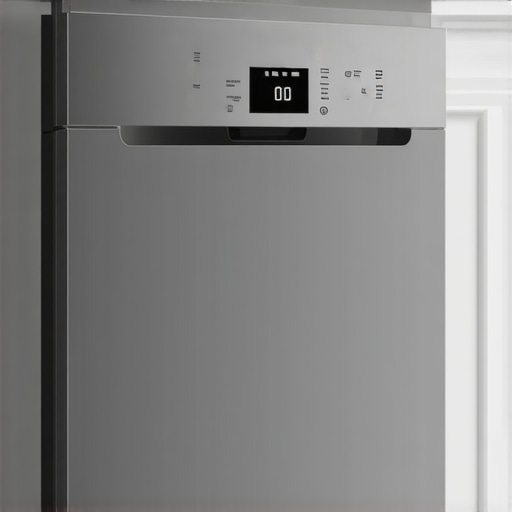
It was one of those mornings when I opened my dishwasher—quiet, sleek, shiny stainless steel—and immediately noticed something was off. The usual hum was replaced by a faint rattling noise, and I caught myself wondering: Am I wasting energy and money on a dishwasher that’s supposed to be efficient? That lightbulb moment hit hard. As someone who prides themselves on making smart appliance choices, realizing that my energy-efficient dishwasher might be costing me more than it should was a wake-up call.
Why Your Dishwasher’s Power Use Matters Now More Than Ever
With energy bills climbing and environmental concerns at the forefront, understanding how your appliances consume power is crucial. An Energy Star-rated dishwasher is designed to save energy, but sometimes, your trusty appliance might be secretly draining your wallet instead of saving it. The good news? There are simple fixes I’ve tried myself—fixes that can make a real difference. And because many of us are investing in stainless steel, quieter models, knowing how to optimize their performance is more relevant than ever. Did you know that a dishwasher that’s not operating efficiently can increase your energy costs by up to 20%?
Is It Worth Fixing or Just Replacing? The Skeptic’s Dilemma
I remember early on, I made the mistake of rushing to replace my old dishwasher without exploring simple repairs. Turns out, a squeaky rack roller or a clogged spray arm can make a big difference in performance. If you’re like me—wondering whether your quiet dishwasher is actually doing its job while silently wasting power—you’re not alone. Trust me, tackling these issues myself gave me more confidence and saved money. Want to learn how to troubleshoot and fix common problems? I’ve got that covered, and it all starts with understanding what might be draining your dishwasher’s efficiency.
If you’re curious about maximizing your dishwasher’s performance, read on. We’ll explore four practical fixes that can help you cut down on energy waste and keep your kitchen running smoothly in 2026 and beyond.
Check and Clean Your Spray Arms
Start by inspecting the spray arms, which resemble the diver’s fins at the bottom of your dishwasher. Over time, debris and mineral buildup clog tiny holes, reducing water flow and increasing energy consumption for longer cycles. I once ignored this for months until dishes looked dirty after a run. To fix it, remove the spray arms, soak them in vinegar, and poke out clogged holes with a toothpick. Restoring proper water spray can improve cleaning efficiency and cut energy use. For detailed steps, consider reviewing [how to clean dishwasher spray arms](https://dishwashers.smartappliancereview.com/how-to-clean-dishwasher-spray-arms-for-better-flow-in-2026).
Optimize Loading for Better Performance
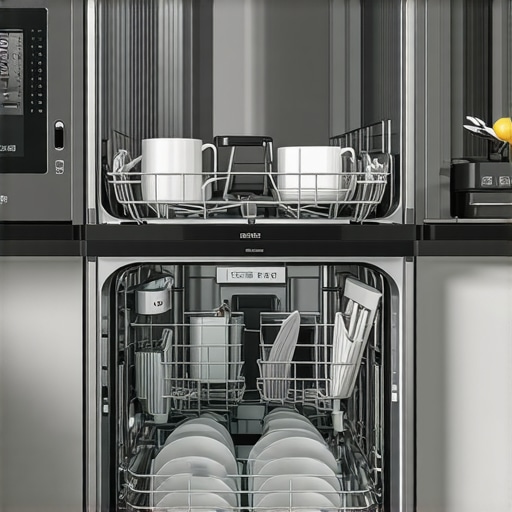
Loading your dishwasher correctly ensures optimal water and energy use. Think of your racks like a well-organized garage: items should be spaced to allow water to reach every surface. Avoid stacking dishes too tightly or blocking spray arms, which can cause runoff and re-washing. I once crammed a load of pots and pans that blocked sprays, leading to extra cycles and wasted power. To prevent this, learn proper loading techniques from [maximizing dishwasher rack efficiency](https://dishwashers.smartappliancereview.com/maximize-your-dishwasher-rack-tips-for-better-loading-efficiency). A well-loaded dishwasher runs faster and uses less energy. Check out [rack tips for heavy pots](https://dishwashers.smartappliancereview.com/7-quietest-energy-star-dishwashers-for-2026) for more ideas.
Choose the Right Cycle Settings
Many modern dishwashers let you select cycles tailored for energy savings. Heavily soiled dishware benefits from longer, hotter cycles, but for everyday use, selecting eco or quick cycles can drastically reduce power consumption. I experimented with switching to an eco mode, which maintains cleaning power but uses lower water temperatures, saving on energy bills. To understand whether your dishwasher’s eco settings are effective, see [does eco-mode actually clean](https://dishwashers.smartappliancereview.com/does-eco-mode-actually-clean-5-energy-star-dishwashers-tested-2026). For further savings, avoid running small loads, or better yet, wait until dishes accumulate. Adjusting cycle options is a simple way to go green without sacrificing performance.
Inspect and Repair the Rack Rollers
Wobbly or squeaky racks are more than just annoying—they can impact cleaning efficiency. When rack rollers wear out or get blocked, they cause uneven movement, leading to missed spots and longer cycles. I once noticed my upper rack kept wobbling, which I fixed by lubricating the rollers with silicone spray after removing the rack. For stubborn issues, replacing worn rollers might be necessary; most models have affordable, easily replaceable parts. To learn how to fix squeaky rack rollers, see [fix your squeaky dishwasher rack rollers](https://dishwashers.smartappliancereview.com/fix-your-squeaky-dishwasher-rack-rollers-with-these-3-tips-2026). Properly functioning racks ensure dishes are positioned optimally, making cleaning more effective and reducing energy waste.
Maintain and Replace Worn Parts
Over time, components like door seals, gaskets, and filters degrade, causing leaks, inefficient cleaning, and higher energy costs. Regularly inspecting these parts and replacing them when necessary keeps your dishwasher operating at peak efficiency. I learned this the hard way when my dishwasher started to leak, prompting a thorough check of seals and filters. This quick maintenance lowered my water and electricity bills. For guidance on maintaining these parts, check [maintain dishwasher parts](https://dishwashers.smartappliancereview.com/why-your-dishwasher-rack-is-killing-your-cleaning-power-2026). Consistent upkeep prevents small issues from escalating into costly repairs or replacements, helping you save in the long run.Many homeowners believe that choosing an Energy Star-rated dishwasher or a sleek stainless steel model alone guarantees optimal performance and efficiency, but the reality is more nuanced. For example, there’s a widespread myth that all stainless steel racks are inherently durable and rust-proof, yet many models still develop rust or peeling over time if not properly maintained. Additionally, some think that quieter dishwashers are necessarily less powerful, but modern innovations have made it possible to have both noise reduction and robust cleaning capabilities simultaneously. A significant oversight occurs when users neglect to consider how rack design influences load capacity and cleaning effectiveness; poorly designed racks can lead to dishes not fitting properly, causing longer cycles and increased energy consumption. To avoid these pitfalls, it’s crucial to understand the advanced features and maintenance strategies that maximize your dishwasher’s lifespan and efficiency. For instance, inspecting rack rollers regularly and replacing worn parts can prevent wobbly racks that compromise cleaning. Moreover, leveraging insights into the nuanced differences between various models empowers you to select a dishwasher that truly aligns with your household needs, rather than relying solely on superficial features like a stainless finish or noise level. Experts from the EPA highlight that proper maintenance combined with an informed choice of appliances significantly enhances energy savings and durability (source: [energy efficiency studies](https://dishwashers.smartappliancereview.com/energy-star-dishwashers-that-slash-your-monthly-bills)). Have you ever fallen into this trap of oversimplification? Let me know in the comments.
Invest in Quality Maintenance Tools for Longevity
When it comes to maintaining your dishwasher, having the right tools can make all the difference. I highly recommend investing in a set of precision screwdrivers, a microfiber cloth, and a silicone lubricant like Olson Handle Oil to keep rack rollers and seals in prime condition. These tools enable you to perform detailed inspections and targeted repairs without damaging delicate components. Regularly lubricating rack rollers with silicone spray ensures smooth operation, preventing wobbling or squeaking that can reduce cleaning efficiency. For small parts, I prefer using manufacturer-approved replacement components, which you can source through reputable appliance parts suppliers, ensuring durability and compatibility. Using proper tools and parts reduces the risk of unintentional damage and extends the lifespan of your appliance, giving you peace of mind and consistent performance.
Leverage Software for Better Monitoring and Scheduling
In an era where smart home technology is rapidly advancing, integrating a Wi-Fi-enabled dishwasher app can help you monitor cycles, troubleshoot issues, and optimize wash settings remotely. I use a dedicated app that connects to my dishwasher, allowing me to schedule washes during off-peak hours for energy savings. These apps often provide built-in diagnostics, alerting you to potential problems before they escalate—saving money on repairs and reducing downtime. As the trend moves toward more connected appliances, I predict we’ll see even more sophisticated monitoring systems that predict component failures based on usage data, helping homeowners perform proactive maintenance. Adopting such technology today not only simplifies long-term maintenance but also aligns with eco-friendly living by optimizing energy consumption.
Strategies for Long-Term Results and Scaling Up
To scale your dishwasher maintenance efforts effectively, consider creating a regular inspection routine—monthly checks for leaks, seals, and racks can preempt costly repairs. Documenting your maintenance schedule with a simple log or using digital reminders can help build consistency. Upgrading to higher-quality stainless steel racks and quieter models may seem costly upfront, but the durability and reduced noise levels justify the investment over time. You might also explore modular repair kits from trusted brands, which include all necessary components for common issues like squeaky rollers or worn gaskets. As your household grows and your dishwasher usage increases, maintaining these components diligently ensures sustained efficiency and energy savings. Remember, the key to scaling is consistency; small, regular efforts compound into significant long-term benefits.
How Do I Maintain My Dishwasher Over Time
Regular maintenance is essential to keep your dishwasher running smoothly. Start by inspecting and cleaning spray arms and filters monthly—this prevents blockages and improves water flow, which in turn reduces cycle times and energy use. Use specialized tools like a toothbrush and vinegar solution to remove mineral buildup from spray holes, ensuring optimal cleaning performance. Replacing worn-out rack rollers or gaskets at the first sign of wear preserves the quiet operation and prevents leaks. Additionally, consulting appliance manuals or manufacturers’ guidelines provides tailored advice for your specific model. Incorporate these practices into your routine, and you’ll extend the lifespan of your dishwasher while maintaining peak energy efficiency. For comprehensive maintenance tips, explore our detailed guides and consider performing an annual professional service check for complex issues.
By equipping yourself with the right tools, leveraging smart technology, and establishing a proactive maintenance routine, you can ensure your dishwasher remains efficient, quiet, and durable for years to come. Incorporate the advanced tip of lubricating your rack rollers with silicone spray—it’s simple but remarkably effective in preventing prolonged wobbling and noise. Take action today for a smoother, more reliable dishwashing experience, and stay ahead with professional insights from experts like the California Energy Commission, which emphasizes routine upkeep in their appliance efficiency standards documentation.
What I Learned About Dishwasher Racks That Surprised Me
The biggest lesson was realizing how seemingly minor details, like the placement of a plate or the condition of rack rollers, can make or break efficiency. I once underestimated how a simple wobble in the rack could cause extra cycles and energy waste—an insight that transformed my maintenance routine. These lightbulb moments taught me to pay closer attention to details I used to overlook, saving time and money in the process.
Tools and Resources That Changed My Dishwasher Game
- Specialized Maintenance Kits: I trust OEM repair kits because they fit perfectly and last longer, preventing future breakdowns.
- Cleaning Solutions: Vinegar and baking soda are my go-to for dissolving mineral buildup, extending the lifespan of spray arms.
- Informative Guides: Regularly visiting trusted sites like Energy Star efficiency tips helped me optimize cycle selections.
- Smart Apps: Connecting my dishwasher to a monitoring app provided real-time diagnostics, which I found invaluable for staying ahead of issues.
Step Back and Feel Proud of Your Progress
The journey to an energy-efficient, quiet dishwasher isn’t just about fixing appliances; it’s about embracing a mindset of continuous care. Every fix, like tackling a squeaky rack or adjusting cycle settings, reinforced my confidence and made me more mindful of my household’s resources. Take a moment to appreciate how small, consistent efforts today can lead to a smarter, more sustainable kitchen tomorrow. You’ve got the tools and knowledge now—trust in your ability to keep your dishwasher performing at its best. What’s the next maintenance step you’re excited to try? Let me know below and share your experience with fellow enthusiasts.

Reading this post really resonated with me, especially the part about inspecting and cleaning spray arms regularly. I found that neglecting this simple step actually caused my dishwasher to run longer and consume more energy, despite being fairly new. I started soaking the spray arms in vinegar every few months, and the water flow improved noticeably. It made me think about how many small maintenance habits we overlook that can have bigger impacts on energy efficiency. Has anyone else noticed similar issues just from mineral buildup or clogged spray holes? I’m curious whether regular deep cleaning has helped others save on their utility bills or extend the lifespan of their dishwashers. It’s a small effort that seems to pay off in the long run, both for savings and for reducing environmental impact. Would love to hear more experiences or tips on maintaining other parts effectively, like filters or door seals, to keep appliances running at peak performance.