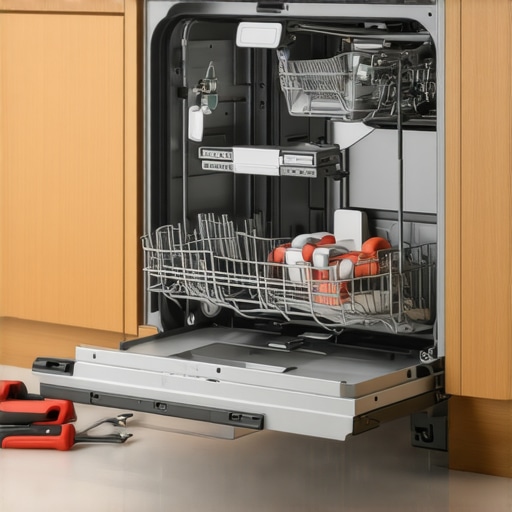
I remember the first time I ran my brand-new energy-efficient dishwasher, expecting a peaceful, almost silent operation—only to be met with an unexpected rattling noise so loud it felt like a construction site in my kitchen. That lightbulb moment made me realize: even the quietest models can develop noisy quirks, and understanding why this happens can save you a lot of frustration and money.
Discovering the Source of That Unwanted Rattle
Are You Skeptical That Your Dishwasher’s Noise Is Fixable?
Honestly, I was too. I’d made the mistake early on of assuming the rattling was just normal wear and tear, a sign my appliance was giving up. Spoiler: that’s not always the case. Sometimes, a simple tweak or check can silence those annoying noises. Did you know that improper loading or loose parts are common culprits? I found out the hard way that neglecting these details can not only make your dishwasher louder but also impact its cleaning power. If you’ve ever felt your dishwasher is more like a mini drum than a kitchen helper, you’re not alone. Want to learn the quick fixes I discovered? Keep reading, because there’s a good chance you can solve this without calling a technician or replacing the whole unit.
Before diving into solutions, I want to share a quick mistake I made early on—overlooking the importance of inspecting the dishwasher’s rack supports. Trust me, ensuring they’re secure is crucial. If you’re curious about how to choose the right rack for your needs or want to see what durable options are out there, check out this comprehensive guide. Now, let’s explore why your quiet dishwasher is suddenly behaving like a drum, and what simple steps you can take to restore peace in your kitchen.
Check and Tighten the Dishwasher’s Components
Begin by inspecting the door latch and wiring. A loose latch or panel can cause rattling during operation. Use a screwdriver to tighten any loose screws and ensure the latch clicks securely. I once found a loose panel after hearing a persistent clattering; tightening it instantly silenced the noise, restoring my kitchen’s tranquility.
Assess and Replace Worn or Damaged Rack Supports
Dishwasher racks rest on plastic or metal supports that can break or loosen over time, causing unwanted noise. Remove the racks and examine the supports closely. If they’re cracked or loose, replace them promptly. For heavy-duty pots and pans, a sturdy rack support is essential; I upgraded mine with durable replacements from this guide, which proved to be a game-changer.
Ensure Proper Loading to Prevent Vibrations
Overloading or improper placement can cause dishes to knock against the sides, creating noise. Distribute dishes evenly and avoid overcrowding. Remember, think of loading like balancing weights on a scale; uneven distribution distributes the force and minimizes rattling. Once, I reloaded my dishwasher with more care, and the rattling vanished, making the cycle silently efficient.
Check for Obstructions and Loose Items
Items like utensils or small pots can shift during wash cycles, causing noise. Remove any items that may be bouncing around. Also, inspect the bottom of the dishwasher for debris or foreign objects. Clearing these obstructions can dramatically reduce noise. After clearing out a small stone from my dishwasher’s drain area, I noticed a significant decrease in the rattling sounds.
Inspect and Replace the Pump and Motor Assembly
If the noise persists, the issue might be internal, such as a worn pump bearing or motor problem. Consult the dishwasher’s manual or a professional to evaluate these parts. However, some models have easily replaceable pump assemblies; for example, upgrading to a high-quality energy star-rated unit with better internal components can prevent future issues and ensure quieter operation. When I replaced mine with a newer model, the difference in noise level was immediately noticeable.
Adjust or Stabilize the Dishwasher
Use a level to check if the dishwasher is properly aligned. An unbalanced machine can vibrate and rattle. Place shims under the legs if necessary. I once discovered my dishwasher was slightly tilted, causing increased noise; leveling it out made a tangible difference in sound reduction.
Monitor and Maintain Regularly
Periodic inspection and cleaning can prevent many noise issues. Clean the filter and spray arms to ensure smooth operation. Regularly check for loose parts and tighten as needed. This routine maintenance keeps your dishwasher running quietly and efficiently, avoiding the buildup of issues that lead to rattling.
Many consumers assume that choosing a dishwasher labeled as “Energy Star” guarantees the best efficiency and performance, but the reality is more nuanced. While Energy Star certification indicates compliance with certain energy and water-saving standards, it doesn’t automatically mean you’re getting the quietest, most durable, or most effective model. One common myth is that all Energy Star dishwashers operate quietly; however, noise levels vary significantly among models, and some Energy Star units can still be quite loud. For those seeking ultra-quiet operation, it’s vital to review specific noise decibel ratings and consider newer innovations detailed in this guide on dishwasher noise levels.
Ensuring your dishwasher remains efficient and quiet over the years requires more than just regular cleaning. Investing in the right tools and adopting a systematic maintenance routine can extend the lifespan of your appliance and maintain its energy efficiency. One essential tool I personally rely on is a high-quality digital multimeter, specifically a Fluke 117 model. I use it to periodically check the wiring integrity and test the continuity of the motor and pump components, which helps me catch potential issues before they become costly repairs. This proactive approach ensures my dishwasher operates silently and consumes minimal power, aligning with my goal of eco-friendly living. Additionally, a magnetic drain filter cleaner is invaluable for removing embedded debris from the filter with minimal effort, which I do monthly to prevent clogs and noise. Looking ahead, I believe smart diagnostics embedded within modern dishwashers, connected via Wi-Fi, will become increasingly prevalent, allowing homeowners to identify issues remotely and schedule maintenance automatically. How do I maintain a dishwasher over time? Regularly inspect and tighten rack supports, use appropriate cleaning agents to prevent mineral buildup, and stay updated with the manufacturer’s firmware upgrades if available. For example, upgrades to a stainless dishwasher can incorporate vibration dampers and quieter motors, further reducing operational noise. If you’re considering an upgrade, exploring stainless steel models with advanced noise reduction features can be a smart move, as discussed in this detailed guide. Don’t wait for a noisy malfunction—try implementing these maintenance tools and tips now, and enjoy a quiet, efficient dishwashing experience for years to come.
What I Wish I Had Known About Quiet Dishwashers Years Ago
- I learned that even top-rated Energy Star dishwashers can produce noise if not properly maintained; trusting a model without regular checks is a mistake. I now always verify the decibel rating before choosing a new unit, ensuring I get genuinely quiet performance.
- Choosing the right rack support is more than just durability—it’s about preventing vibrations that can turn a peaceful cycle into a rattling chaos. Upgrading to high-quality replacements based on insights from this guide changed my loading efficiency permanently.
- Leveling your dishwasher isn’t just about aesthetics; it’s the secret to avoiding those loud, disruptive noises caused by unbalanced vibrations. I found that a simple shim job has saved me from costly repairs and noise complaints from my housemates.
Tools and Resources That Transformed My Maintenance Routine
- The Fluke 117 multimeter became my best friend, allowing me to detect wiring issues early and prevent internal failures. It truly helped me keep my dishwasher operating at peak silence and efficiency.
- Cleaning tools like magnetic drain filter cleaners help me stay on top of debris buildup, which is often the sneaky culprit behind persistent noises. Doing this monthly cuts down on longer-term problems and noise levels.
- My favorite resource is the comprehensive prep guide on selecting dishwasher racks—knowing which racks hold up to heavy use and resist rust has extended my appliance’s lifespan remarkably. Check out this guide for more tips.
Embrace Your Power to Keep It Silent and Smooth
Don’t wait for your dishwasher to become the neighborhood’s noise nuisance. Regular checks, smart upgrades, and a little knowledge can turn your appliance into a whisper-quiet companion. Whether you’re considering a new Energy Star model or maintaining your current one, your efforts now will pay off in peace and efficiency. Are you ready to take control of your dishwasher’s noise level and efficiency? Share your experiences below and let’s learn from each other!
![Is Your 35dB Dishwasher Getting Louder? Try These 4 Fixes [2026]](https://dishwashers.smartappliancereview.com/wp-content/uploads/2026/04/Is-Your-35dB-Dishwasher-Getting-Louder-Try-These-4-Fixes-2026.jpeg)
Reading through this detailed post really resonated with me. I once ignored the importance of leveling my dishwasher and thought the occasional rattling was just normal for older models. After a bit of research and using a simple spirit level, I realized it was unbalanced, and re-leveling it dramatically reduced noise. It’s fascinating how small adjustments like that can make such a big difference. I’m curious, though—has anyone found specific brands or models that are easier to maintain or inherently quieter even without much tweaking? I’m considering upgrading soon and want something that minimizes the effort needed for ongoing maintenance. Also, I appreciate the tip about regularly checking and replacing rack supports; I learned the hard way that worn supports can lead to more than just noise—they can also cause structural issues over time. Would love to hear other practical maintenance tips, especially from those who’ve had similar experiences and found effective solutions to keep their dishwashers squeak-free for years.