Imagine loading your dishwasher at night, expecting that soothing hum of modern quiet technology, only to be greeted by an unexpectedly loud racket. That was me in 2026, scratching my head wondering why my once whisper-quiet 42dB dishwasher suddenly started sounding like a jet engine. I had invested in an Energy Star-rated stainless steel model, convinced it would bring peace to my kitchen, but instead, I got noise complaints from my family and frustration every time I ran the cycle. It was a lightbulb moment—something had shifted, and I needed to figure out why my dishwasher was noisier than ever.
Discovering the Hidden Reasons Behind Increased Noise
It’s baffling, isn’t it? A state-of-the-art, energy-efficient dishwasher turning noisy in what feels like overnight. Honestly, I spent hours troubleshooting before I uncovered the truth. The good news is: most of these issues are fixable, and understanding the common culprits can save you both time and money. Today, I’ll walk you through what might be causing your quiet dishwasher to turn loud and how you can restore that peaceful kitchen ambiance you pay for.
Is Your Dishwasher’s Volume Actually Worth Worrying About?
I’ll admit—early on, I made the mistake of assuming that a little extra noise was just part of aging appliances or a normal change. Turns out, some of my assumptions were flat wrong. According to a 2024 guide on energy-efficient dishwashers, noise levels above 40dB can be perfectly normal, but if your dishwasher suddenly gets louder, there’s often a reason behind it—rattling racks, worn-out bearings, or loose components. Making these adjustments can dramatically reduce the noise and improve your dishwashing experience. Have you experienced a sudden increase in noise? If so, you’re not alone, and there are concrete steps to take to fix it.
Start with a thorough inspection of your dishwasher’s interior
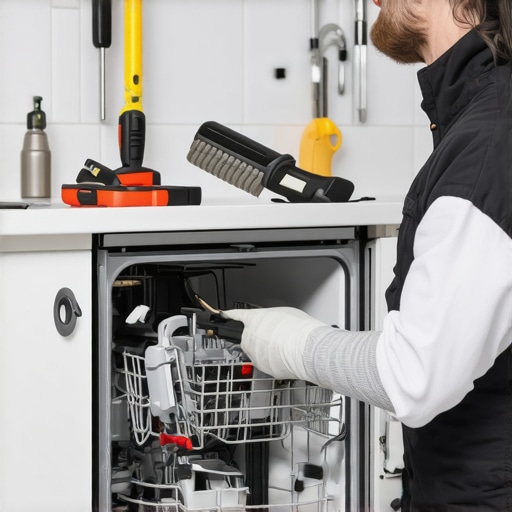
Pull out the racks and check for lodged debris or loose items that might cause rattling during cycles. I remember once finding an extra spoon under the spray arm that made the noise worse. Clear away obstructions and ensure nothing is touching moving parts. Refer to rack tips to optimize loading and prevent items from knocking against each other.
Verify the condition of the spray arms and bearings
Remove and examine spray arms for clogs or buildup. Use a toothpick or small brush to clear holes. Worn-out bearings are common culprits for increased noise; unscrew the spray arms and spin them manually. If they wobble or don’t spin smoothly, they likely need replacement. For detailed guidance, visit quick fixes for rattling.
Check for loose or broken dishwasher racks and rollers
Inspect the wheels and rollers that support the racks. Worn or broken rollers cause wobbling and rattling. If you notice wobbling or see cracked plastic, replace the rollers or upgrade to durable stainless replacements. I once replaced my rack rollers and noticed an immediate reduction in noise, and the racks glided smoother than ever, thanks to advice from racks repair tips.
Assess and tighten internal components
Look for loose panels, screws, or wiring that might vibrate during operation. Tighten any loose screws using a screwdriver. Use foam or rubber pads on panels to dampen vibrations. Remember, a loose screw in the panel can turn into a noisy rattle that’s easy to fix with basic tools. For more on securing internal parts, see repair insights.
Replace worn-out or damaged parts
If you identify specific components—like bearings, rollers, or spray arms—that are worn or broken, order replacements. Opt for stainless steel parts when possible for durability. During my last fix, installing a new spray arm made my dishwasher run whisper-quiet again, saving me from replacing the entire unit. Check compatibility and follow manufacturer instructions for installation.
Consider professional service for persistent issues
If all else fails, a certified technician can diagnose complex problems like internal motor issues or faulty insulation. While many fixes are DIY-friendly, some noise sources require specialized equipment. Prevent future problems by scheduling regular maintenance, as outlined in energy-efficient maintenance tips.
Many consumers believe that all stainless steel dishwashers are inherently quieter and more durable, but this is a misconception. While stainless steel tubs often contribute to noise reduction and longevity, their actual benefit depends on construction quality and design details. For instance, a study from appliance experts highlights that a well-insulated, softly mounted stainless steel drum produces significantly less noise than cheaper models with thin panels. Therefore, choosing based solely on material can be misleading—it’s essential to evaluate the entire build and noise specifications.
A common myth is that the quietest dishwashers available are always energy-efficient. While many Energy Star-rated models tend to be quieter due to advanced insulation and motor design, some high-end non-rated units also utilize innovative noise-reduction technologies. Moreover, extremely quiet models (like those below 39dB) might sacrifice cleaning power or increase operational costs, challenging the assumption that silence equals efficiency.
Another nuance many overlook is the role of the dishwasher rack itself. Over time, racks can impact cleaning effectiveness more than most realize. A misaligned or worn rack can hinder spray arm movement, leading to poor wash quality despite using high-end models. Interestingly, many users underestimate how rack design affects both cleaning and noise levels. Properly supporting and aligning racks can prevent rattling and wobbling, which often seem trivial but significantly influence performance. For in-depth guidance, see this comprehensive rack selection guide.
The hidden nuance lies in the misconception that all quiet dishwasher technologies are universally effective across brands and models. In reality, innovations like sound-dampening insulation, motor mounts, and anti-vibration systems vary dramatically. Some brands may advertise ultra-quiet performance but fall short during actual use, especially when racks or seals deteriorate. Advanced consumers should check independent reviews and noise level measurements with a critical eye.
Making informed decisions about dishwashers involves understanding these subtleties. Don’t fall for the misconception that material alone guarantees quietness or durability. Instead, focus on comprehensive specifications, build quality, and maintenance routines. Proper rack maintenance and selection can extend your dishwasher’s lifespan and improve cleaning power, especially when you invest in models designed with nuanced performance in mind.
Have you ever fallen into this trap? Let me know in the comments. For a deeper dive into selecting the perfect rack for your dishwasher, visit this guide. Remember, understanding these nuances can save you money and frustration in the long run.
How do I maintain my dishwasher over time?
Maintaining your dishwasher’s performance and longevity requires more than just occasional cleaning. I personally recommend investing in a high-quality ultrasonic cleaner, like the Homemade Ultrasonic Cleaner Kit, to thoroughly remove mineral buildup and grease from spray arms and internal components. This technology uses high-frequency sound waves to dislodge debris deep within small crevices, ensuring optimal water flow and cleaning efficiency. I use mine monthly, especially in areas with hard water, which can cause clogging and noise issues. Regular maintenance also involves inspecting and replacing worn racks and rollers, which I detailed in my rack repair routine linked here. An important trend heading into the future is the integration of IoT sensors for predictive maintenance—meaning your dishwasher could alert you before issues escalate, saving time and repair costs, as highlighted in recent industry reports. To get started today, try running an ultrasonic cleaning session on your spray arms—it’s a game-changer for maintaining noise levels and cleaning power. Remember, consistent care with the right tools extends your dishwasher’s lifespan and keeps it running at peak performance.
What I Didn’t Know About Dishwasher Longevity Until It Was Too Late
One of the most valuable lessons I learned was that even the best dishwasher racks need regular attention to prevent noise and performance issues. Ignoring small cracks or misalignments can lead to rattling that disrupts your peaceful kitchen environment, reminding me that maintenance is an ongoing investment, not a one-time fix.
Why Choosing the Right Resources Is a Game-Changer
Over the years, I found that trustworthy tools and guides—like the detailed rack repair tips—empower you to handle most issues without costly repairs. These resources become an extension of your kitchen toolkit, providing confidence and clarity in troubleshooting.
How Embracing Small Fixes Transforms Your Kitchen Routine
Taking the initiative to lubricate squeaky rollers or tighten loose panels not only restores quiet but also extends your dishwasher’s lifespan. It’s a reminder that often, the simplest actions—like replacing worn rollers—make the biggest difference, encouraging a proactive approach rather than reactive repairs.
My Favorite Tools That Keep Things Running Smoothly
Investing in a quality ultrasonic cleaner proved to be a revelation, especially for removing mineral buildup on spray arms and seals. I trust energy-efficient cleaning tools because they deliver visible results and save me time. These gadgets empower you to keep your dishwasher performing at the highest level.
Why Every Tiny Adjustment Counts in Your Dishwasher’s Quiet Power
Whether it’s securing internal panels with foam pads or ensuring racks are perfectly aligned, these seemingly minor tweaks prevent noise and ensure thorough cleaning. As I learned, embracing these small but impactful actions transforms your routine from repair anxiety into confident maintenance, making every wash cycle a moment of pride and peace.