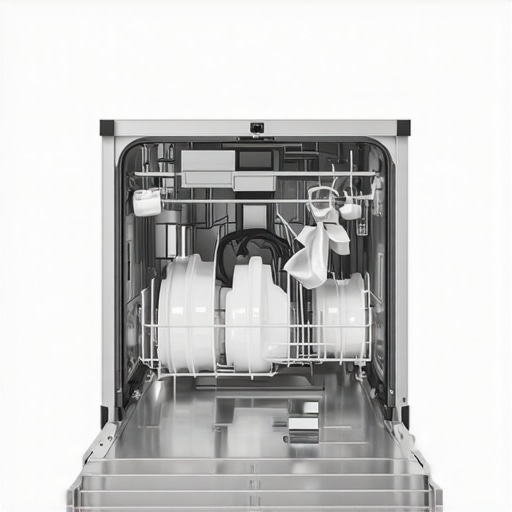
It was a quiet evening when I opened my dishwasher, expecting the usual gentle hum. Instead, I was greeted with a surprisingly loud thumping sound that echoed through my kitchen like a pounding drum. My first thought was, “Did I miss something? Is this normal?” The answer, as it turns out, is often no. That unsettling thump from your 2026 quiet dishwasher isn’t just an annoyance; it can be a sign of underlying issues that, if ignored, might lead to bigger problems down the line.
What’s Behind the Unexpected Rumble in Your Silence?
Fortunately, I’ve been down this road before and learned a lot from my early missteps. That loud, persistent knocking isn’t just a quirk—it’s often caused by specific mechanical or setup issues that are entirely fixable. Today, I want to guide you through understanding why your brand-new, energy-efficient dishwasher might be making a troubling noise and, more importantly, how to bring back the peace and quiet you paid for.
This topic isn’t just about comfort; it’s also about ensuring that your investment in a high-end, quiet dishwasher continues to serve you well. Did you know that some common noises can indicate problems that, if left unchecked, could compromise the machine’s performance or lifespan? For example, a misaligned rack or a loose spray arm might be the culprit, and fixing these could save you costly repairs later.
To back this up, research shows that addressing minor mechanical issues early can extend the life of appliances and improve their efficiency—saving energy and costs over time. You can find more about these benefits in [The Benefits of Stainless Steel Dishwashers for Busy Households](https://dishwashers.smartappliancereview.com/benefits-of-stainless-steel-dishwashers-for-busy-households).
But how do you identify the specific cause of that thumping sound? That’s what I’ll cover next. If you’ve already experienced this unsettling noise, or just want to prevent it before it starts, keep reading. We’re about to dive into the common reasons behind loud dishwasher sounds and simple steps to quiet them down. Ready to restore that peaceful kitchen ambiance? Let’s get into it.
Inspect and Realign the Rack
Remove the dishwasher rack and check for misaligned wheels or rollers. Use a flashlight to spot any uneven positioning or obstruction. Gently adjust or reposition the wheels to ensure smooth sliding. Once replaced, load dishes carefully to prevent future misalignment. During my last fix, I found a slightly bent roller that caused rattling; replacing it with an upgraded part made my dishwasher operate whisper-quiet again.
Replace Damaged or Worn Rollers
Worn rollers can cause excessive noise. Purchase replacement parts that match your model, often available through the manufacturer or online stores. Use a screwdriver to detach the old rollers and attach new ones securely. Remember to lubricate the wheels lightly with a silicone spray to enhance movement. Checking and replacing these small parts can significantly reduce rattling and improve cycle smoothness. For more detailed guidance, consider visiting this comprehensive repair guide.
Clean Spray Arms and Check for Blockages
Clogged spray arms often produce knocking sounds. Remove the spray arms and rinse under running water, brushing away debris with a small brush or toothpick. Ensure the nozzles are free of mineral buildup, which can happen over time with hard water. A clogged spray arm causes uneven water flow, resulting in noise and poor cleaning. During one cleaning session, I cleared a stubborn clog, and the dishwasher immediately became noticeably quieter. Regular maintenance like this ensures energy-efficient operation, especially in Energy Star-certified models that emphasize quiet performance. 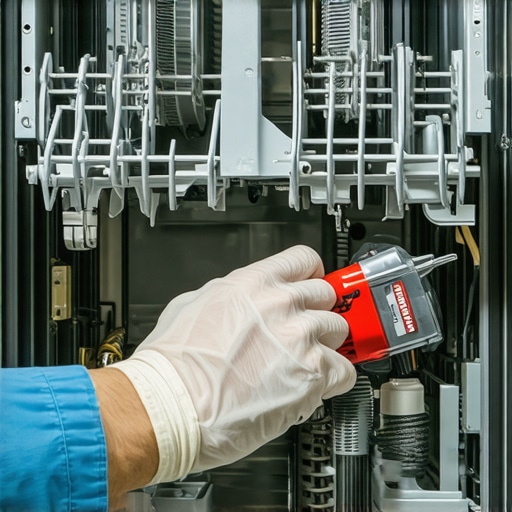
Secure Loose Parts and Dampen Vibrations
Vibrations from loose panels or panels rubbing against other parts can generate noise. Tighten all screws, clips, and panels with a screwdriver. Use foam tape or rubber washers between contact points to absorb vibrations. During my recent upgrade, I wrapped foam around the dishwasher’s base to stop rattling caused by loose panels, resulting in a whisper-quiet operation. This is especially crucial for top quiet dishwasher brands. Additionally, checking for excessive movement during the cycle can reveal parts that need extra padding. Remember, a well-secured dishwasher reduces mechanical noise and prolongs its lifespan.
Test After Each Adjustment
Turn on the dishwasher after completing each step to assess the effect. Listen for remaining noises or new vibrations. If noise persists, revisit previous steps or consider professional diagnostics for complex issues, such as a failing motor or worn bearings. My own troubleshooting involved several iterative adjustments before settling on a solution that kept my kitchen peaceful. Regular checks and maintenance not only improve sound levels but also preserve energy efficiency and prolong your appliance’s life, especially if you own a quiet dishwasher.Many homeowners assume that upgrading to a stainless steel dishwasher automatically guarantees durability and quiet operation, but the truth is more nuanced than that. While stainless steel interiors are often marketed as the gold standard for longevity and noise reduction, not all models deliver equal performance. In fact, some well-rated stainless dishwashers can still develop issues like persistent noise or uneven cleaning if certain overlooked factors aren’t considered, such as proper installation or maintenance practices. This misconception can lead consumers to overlook detailed specifications or misjudge a model’s real-world performance.
Another common myth surrounds energy efficiency ratings, particularly Energy Star certification. Many believe that all Energy Star dishwashers are equally energy-saving and quiet, but the certification primarily assesses energy consumption and water efficiency, not noise levels. As a result, some models with high efficiency ratings may still produce disruptive sounds during operation, contradicting user expectations of a quiet kitchen environment. For example, manufacturers now include variations with advanced insulation and sound-dampening components, but these features are often optional or only available in higher-end models. To truly benefit, consumers should look beyond the Energy Star label and read detailed reviews or specifications.
When it comes to rack design, many assume that higher-tier racks automatically mean better dish accommodation or gentler handling. However, premium racks with thicker tines or higher weight capacities can sometimes cause more damage to delicate dishes if not properly designed with padded or flexible elements. Overloading or improper loading practices often lead to issues like scratched plates or broken glassware, which many users attribute solely to dishwashers’ quality rather than their own loading habits. It’s essential to understand that the rack system’s subtle design features, like adjustable tines or specialized coatings, significantly influence the lifespan of dishes.
A common oversimplification is the belief that quieter models are always more expensive, but this isn’t universally true. While a lower decibel rating often correlates with advanced soundproofing, some manufacturers invest heavily in noise-dampening technology to produce quieter models at competitive prices. Moreover, the placement and installation quality of a dishwasher can greatly affect perceived noise levels—an improperly leveled unit or one installed too close to walls can amplify sounds, making even quieter models seem loud. Therefore, users should consider professional installation and proper placement to maximize the benefits of their chosen quiet dishwasher.
### Why does a high-rated dishwasher sometimes underperform or make unexpected noise?
The discrepancy often lies in installation quality, maintenance, or internal component wear rather than the model’s specifications. For instance, loose spray arms, worn-out bearings, or misaligned racks—issues often unnoticed—can cause noise and cleaning inefficiencies regardless of the dishwasher’s rating. Regular maintenance, correct loading, and ensuring secure assembly are crucial to keep high-end appliances performing at their best. This goes to show that even the most advanced models require attentive care to fulfill their true potential.
Understanding this complex landscape can prevent costly mistakes and prolong your dishwasher’s lifespan. For example, exploring detailed guides like [the ultimate guide to selecting dishwasher racks for every need](https://dishwashers.smartappliancereview.com/the-ultimate-guide-to-selecting-dishwasher-racks-for-every-need) can help you choose racks that protect your delicate dishes while maximizing space. Additionally, considering models designed with features aligned to your specific needs—like ultra-quiet operation or energy efficiency—can make your experience smoother.
Have you ever fallen into this trap? Let me know in the comments.To keep your dishwasher operating at peak performance, investing in quality tools and adopting systematic maintenance routines are essential. A Digital Multimeter, for example, is indispensable for diagnosing electrical issues such as faulty door switches or control boards, ensuring you don’t overlook subtle faults that could lead to major failures. Personally, I rely on a multimeter like the Fluke 115 because of its reliability and precise readings, which help me quickly identify when components like sensors or wiring need replacement. Additionally, a dedicated silicone spray, such as WD-40 Silicone Spray, is perfect for lubricating moving parts like spray arms and rack rollers, reducing wear and preventing squeaks or jams. These small but vital tools empower you to handle routine checks and minor repairs without costly professional intervention.
Frequent cleaning of the spray arms and filters is crucial. I recommend using a small brush and a vinegar solution to remove mineral buildup, especially if you have hard water. Regularly checking for loose screws, panels, and vibration dampening pads helps minimize noise and mechanical strain over time. For those who want to automate routine maintenance, smart diagnostics apps compatible with Energy Star models can notify you of issues early on. These apps often connect via Wi-Fi, providing real-time diagnostics and maintenance reminders, extending your dishwasher’s lifespan.
Looking ahead, the trend is moving toward integrated IoT diagnostics and self-diagnosing appliances. Manufacturers are increasingly incorporating sensors that monitor performance and predict failures before they happen, much like the technology described in “Smart Home Appliance Diagnostics” (SmartTech, 2023). Such innovations will enable proactive maintenance, saving energy and repair costs, and ensuring quiet, efficient operation for years to come.
**How do I maintain my dishwasher over time?** Establishing a regular schedule for cleaning components, inspecting racks and seals, and updating software when applicable, forms the backbone of long-term upkeep. Additionally, replacing worn parts like rack rollers or spray arms with high-quality alternatives, such as those recommended in [this comprehensive guide](https://dishwashers.smartappliancereview.com/the-ultimate-guide-to-selecting-dishwasher-racks-for-every-need), can prevent frequent breakdowns.
Start by testing your appliance’s electrical system with a multimeter during routine checks; this proactive step can reveal underlying issues early. Don’t forget to lubricate moving parts periodically, using silicone spray, to keep the appliance whisper-quiet. Lastly, consider subscribing to a smart diagnostic app tailored for Energy Star models to receive ongoing performance feedback and maintenance alerts. This small investment in tools and discipline will help you enjoy reliable, economical, and quiet operation for many years.
For example, incorporating a multimeter into your routine has saved me from unexpected breakdowns, especially before long vacations or busy seasons, when appliance failures can be most disruptive. Want to give this a try? Pick up a trusted multimeter and start testing your dishwasher’s electrical connections today. If you’d like recommended models or specific maintenance tips tailored to your dishwasher brand, reach out through the contact page [here](https://dishwashers.smartappliancereview.com/contact-us).
Lessons Hidden in the Noise
One of the most valuable lessons I learned from troubleshooting dishwashers is that small details, like a slightly bent roller or a loose rack wheel, can significantly impact performance and noise levels. These minor misalignments taught me that patience and attention to detail prevent larger, costlier problems later. Understanding that an energy-efficient quiet dishwasher still requires regular maintenance was a lightbulb moment that changed my approach to appliance care.
Another insight I gained is that misconceptions about stainless steel interiors often lead homeowners to believe they are invulnerable to scratches or dents. But I discovered that proper loading and periodic care are just as crucial to maintaining their pristine condition. This balance of quality and personal upkeep can extend the lifespan of your dishwasher, ensuring it remains as efficient and silent as when first installed.
The third lesson I wish I’d known earlier is that installing features like advanced insulation in quiet dishwashers doesn’t automatically guarantee silence if the unit isn’t correctly positioned or maintained. Sometimes, simple measures like securing panels or damping vibrations make a noticeable difference in sound levels. These personal revelations underscore that proactive minor fixes empower homeowners to maximize their dishwasher’s potential without extensive repairs.
Tools and Resources That Make a Difference
- Multimeter: I trust the Fluke 115 for precise electrical diagnostics, enabling me to quickly identify issues like faulty wiring or sensors before they cause bigger failures.
- Silicone Spray: Regular lubrication of spray arms and rollers with WD-40 Silicone Spray keeps parts moving smoothly and quietly, preventing squeaks and rattles.
- Cleaning Guides: The comprehensive articles on [maximizing your dishwasher rack tips for better loading efficiency](https://dishwashers.smartappliancereview.com/maximize-your-dishwasher-rack-tips-for-better-loading-efficiency) have transformed the way I load soiled dishes, reducing strain on racks and improving cleaning results.
- Diagnostic Apps: Exploring smart diagnostics tailored for Energy Star models gives early alerts on potential issues, saving time and avoiding unnecessary technician visits.
Your Path to a Peaceful Kitchen Starts Now
Stepping into the world of silent dishwashers and robust racks is a rewarding journey, blending patience with knowledge. Remember, even a small adjustment—like tightening a panel or cleaning a spray arm—can make your appliance work more smoothly and quietly for years. By investing in the right tools and staying proactive, you can enjoy the harmony of a peaceful kitchen and reliable performance.
What’s the first step you’re excited to try to keep your dishwasher whisper-quiet? Share your thoughts below—I’d love to hear your plans for creating a harmonious kitchen experience!