It was a quiet evening when I finally decided to run the dishwasher after a busy day. To my surprise, the cycle took so long I thought something was wrong. I kept peeking at it, wondering if my new energy-efficient model was broken. That’s when I realized—these long cycles aren’t a mistake; they’re a design feature, and they’re here to stay. If you’ve noticed your 2026 Energy Star dishwasher taking forever, you’re not alone. But why? And more importantly, how can you make the most of this seemingly endless cycle?
Understanding the Reason Behind the Marathon Wash Cycles
When I first got my hands on a newer dishwasher, I assumed longer cycles meant better cleaning. Turns out, that’s not quite right. The truth is, these extended cycles are part of an energy-saving strategy, aiming to reduce power consumption while still delivering spotless dishes. Modern dishwashers, especially those labeled with Energy Star certification, are designed to optimize water usage, temperature, and washing time to be more eco-friendly. But here’s the catch—while they save energy, they can test your patience with their lengthy cycles.
According to the Environmental Protection Agency, Energy Star dishwashers can save households up to 40% on water and energy bills. That’s a significant benefit, but it does come with a trade-off in cycle duration. These models often use advanced sensors and variable-speed motors that require more time to achieve optimal cleaning without wasting resources. If you’re someone who grew up with quick, hot wash cycles, this adjustment might feel frustrating, but it’s a small price for big savings.
If you’re like me and initially thought longer cycles meant something was malfunctioning, you’re not alone. Early mistakes I made included overloading the dishwasher and failing to clean the filter regularly, which extended cycle times unnecessarily. Proper loading techniques and maintenance can significantly improve cycle efficiency and duration. Curious about how to load your dishwasher for maximum efficiency? Check out these tips.
So, why do these cycles seem to drag on and on? It’s mainly about balancing cleaning power with energy conservation, especially in stainless steel models and quiet operation modes. We’ll explore practical ways to handle these long cycles and optimize your dishwasher’s performance in the next sections. But first, ask yourself—have you faced this endless cycle scenario, and how did you handle it?
Optimize Loading for Efficiency
When I faced a marathon cycle, I started by rearranging my dishes. Use proper loading techniques to ensure water and soap reach every corner. Place heavily soiled pots on the bottom rack and avoid overloading, which can block spray arms and prolong cycles. I remember pulling out a stubborn casserole dish, realizing I had crowded the rack, and then redistributing items for better spray access. It shaved minutes off my cycle, and dishes came out cleaner.
Check and Maintain Spray Arms
Blocked or clogged spray arms are notorious for extending dishwasher cycles. Remove them carefully and inspect for debris. Use a toothpick or thin brush to clear holes. During my cleaning, I found a chunk of dried pasta stuck in one arm, which was forcing the water jet to weaken. Cleaning spray arms regularly maintains optimal water flow, reducing cycle time and improving cleaning performance. For detailed instructions, visit this guide.
Reduce Load Size and Adjust Settings
If your cycles still seem excessively long, try running smaller loads and selecting shorter cycle options. Many Energy Star models have Eco and Quick Wash modes—use them when possible. I experimented with a quick cycle for lightly soiled glasses, which completed in half the time. Also, avoid rinsing dishes pre-wash; modern dishwashers handle food residues efficiently, saving additional time. Remember, smaller, well-arranged loads lead to faster cycles.
Upgrade to a Better Rack System
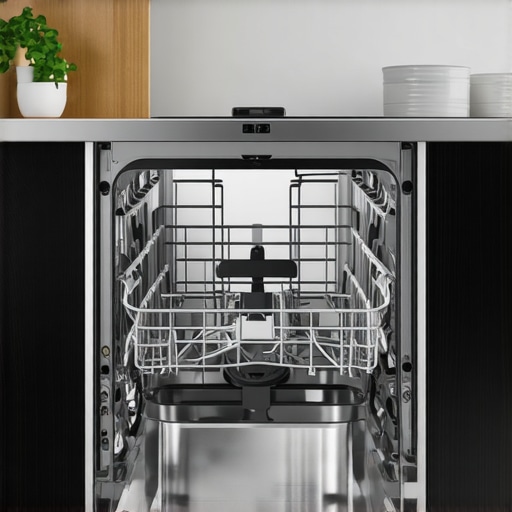
Old or damaged racks can cause dishes to sit unevenly, increasing cleaning time or requiring additional cycles. Consider upgrading to stainless steel racks designed for durability and better spacing. During my last upgrade, choosing a rack with adjustable tines allowed me to fit bulky items properly, enhancing cleaning and reducing overall cycle time. Proper racks also minimize the risk of dishes blocking spray arms or falling during cycles.
Ensure Proper Water Temperature and Pressure
Cold water defeats cleaning efficiency. Verify your hot water heater is set to at least 120°F (49°C). I used a thermometer to check my water temp; once I adjusted it, my dishes cleaned faster and with less rinse aid. Also, ensure your home’s water pressure is adequate—low pressure can slow spray arms. If needed, consider installing a pressure booster or consulting a plumber. Consistent hot, high-pressure water is key to quick, thorough cleaning.
Regularly Clean and Maintain Your Dishwasher
Built-up grease and limescale can impair performance, causing longer cycles. Run a maintenance cycle with dishwasher cleaner bi-monthly. During my routine, I discovered mineral deposits around the spray arms, decreasing flow rate. Cleaning these build-ups restored proper spray patterns, shortening cycles. Keep filters clean and check for food debris that can clog drains, which might also extend cycles. For recurring issues, visit this contact page for expert support.
 While many assume that selecting the quietest or most energy-efficient dishwasher guarantees top performance, this is a common misconception. *Quiet dishwashers*, especially those rated below 40 decibels, can sometimes sacrifice cleaning power or drying efficiency, as explained in a recent [study on noise levels and cleaning performance](https://dishwashers.smartappliancereview.com/how-quiet-is-too-quiet-exploring-the-latest-dishwasher-noise-levels). It’s a myth that ultra-quiet models always outperform louder counterparts in cleaning; in fact, some quieter units require advanced features like better spray arm design or specialized drying systems to match traditional power levels.
The *dishwasher rack* system is another underestimated factor. Many believe that heavier-duty racks or premium materials automatically mean better cleaning, but improper rack design can lead to issues like uneven loading or damage to delicate dishes. A common trap is assuming that adjustable racks alone solve all issues—yet, poorly positioned tines or non-slip coatings can hinder performance. For advanced users, understanding the intricacies of rack geometry can significantly enhance results, as outlined in [this detailed guide](https://dishwashers.smartappliancereview.com/7-quietest-energy-star-dishwashers-for-2026-tested-ranked).
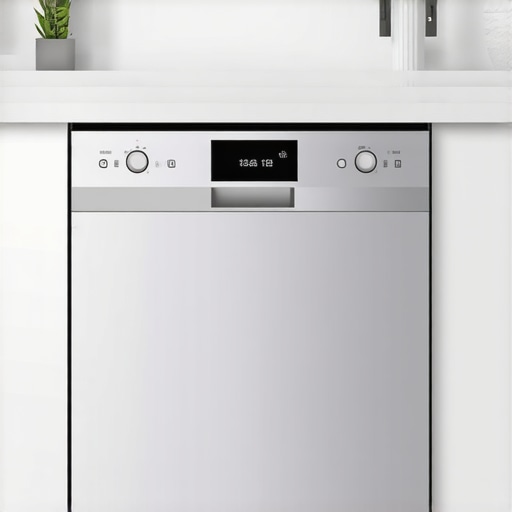
*Stainless steel dishwashers* are often praised for durability and sleek appearance, but many overlook their propensity to develop cloudy spots or water spots without proper care. The myth that they are inherently low-maintenance persists, yet experts recommend regular cleaning with vinegar or specialized stainless steel cleaners to maintain shine and prevent staining. An overlooked nuance is their tendency to be louder if not properly installed or if they suffer from misaligned racks, which can cause rattling or increase noise levels—something that often surprises users expecting perfect silence. Learn more about maintaining stainless finishes [here](https://dishwashers.smartappliancereview.com/why-your-stainless-dishwasher-is-cloudy-3-simple-2026-fixes).
The *Energy Star* label is a powerful indicator of efficiency, but it doesn’t always mean the dishwasher meets all your needs. Many assume that an Energy Star dishwasher will automatically handle tough dried-on food or plasticware without pre-rinsing—yet, some models falter in these areas despite high efficiency ratings. The key nuance is to select a model with a balanced combination of power and eco-friendly features, like high-pressure spray jets and effective drying systems, as explored in [this testing report](https://dishwashers.smartappliancereview.com/does-your-stainless-dishwasher-smell-4-fast-2026-fixes). For advanced users, paying attention to specific cycle options and condition-specific features can make a significant difference.
Making informed choices involves digging beneath the surface of marketing claims. Many consumers get caught in the trap of equating lower noise levels or higher efficiency ratings with superior cleaning and durability—yet, the real secret lies in understanding the detailed design nuances and maintenance practices. Have you ever fallen into this trap? Let me know in the comments, and share your experiences or questions about optimizing your dishwasher’s performance.
Tools That Keep My Dishwasher Running Smoothly
To ensure my dishwasher performs reliably over the years, I rely on a few specialized tools that make maintenance straightforward and effective. First, a set of long, thin brushes has been invaluable for cleaning spray arm holes and filters—gunk buildup here is a common culprit behind extended cycles or poor cleaning. I prefer a dedicated spray arm cleaning brush, which reaches into tight spots without disassembling the entire unit.
Secondly, a digital thermometer is essential for verifying water temperature. Most dishwashers operate optimally around 120°F (49°C), and fluctuations can cause performance issues. I insert the thermometer in the rinse cycle outlet to monitor consistency and adjust my water heater as needed. Keeping water at the right temperature shortens cycles and enhances drying, especially with stainless steel models appreciated for their rapid drying capabilities after proper temperature settings.
Third, I use a magnetic leak detector to periodically check for minor gasket leaks or anti-flood devices that might otherwise go unnoticed. Detecting leaks early prevents water damage and ensures the dishwasher maintains its sealing efficiency, which contributes to quieter operation and consistent cleaning. A small investment in such tools saves money in the long run by avoiding costly repairs and maintaining optimal cycle times.
Finally, I recommend automating routine maintenance using a smart dishwasher monitor app. Some newer models or third-party sensors can connect to your smartphone, alerting you when filters need cleaning or when spray arms are clogged. This proactive approach is vital as dishwasher technology evolves—think of it as managing a smart device. As the trend in laundry and dishwashing tech points toward increased automation, staying ahead with these tools ensures your dishwasher remains energy-efficient and quiet over its lifespan.
Planning for Longevity: Where Do Trends Head Next?
Looking ahead, I predict that innovations will make maintenance even more seamless, possibly integrating AI-driven diagnostics that can distinguish between minor issues and serious faults—prompting targeted repairs before performance drops noticeably. For instance, future models might automatically notify you via app if a spray arm is clogged or if water temperature is outside optimal ranges, minimizing the chance of long cycles or residue issues. This proactive monitoring will be invaluable for busy households wanting to maximize both cleanliness and efficiency.
How do I keep my dishwasher functioning smoothly over time?
One of my top recommendations is to schedule regular inspections with the right tools—especially cleaning spray arms and filters—using brushes and water temperature checks as preventive measures. Regularly replacing worn gasket seals based on manufacturer recommendations, and upgrading racks for better dish placement, also extend service life and performance. For a more comprehensive maintenance plan, check out this guide on avoiding rack-related performance issues. Don’t wait until cycles are painfully long—take action today by incorporating routine maintenance tools into your schedule, and enjoy long-term efficiency with minimal hassle.
What I Wish I Knew Before Embracing Extended Wash Cycles
One of the most eye-opening lessons I learned about quiet dishwasher, dishwasher rack, stainless dishwasher, energy star, and dishwasher efficiency is that understanding the nuances behind these features can transform your experience. I once believed that longer cycles meant poor performance, but I discovered that these marathon washes are often about balancing eco-friendliness with excellent cleaning—an insight that changed my approach. Recognizing that proper loading, maintenance, and cycle choices are crucial allowed me to reduce cycle durations and improve results without sacrificing efficiency.
Another personal revelation was the importance of inspecting and maintaining spray arms regularly. Clogs and mineral deposits can extend cycles unexpectedly, but with simple tools like a dedicated brush, I managed to keep water flow optimal, ensuring faster, more effective cleaning. This proactive care not only shortened cycles but also prolonged my dishwasher’s lifespan—saving me money and stress. Additionally, adjusting water temperature and pressure made a noticeable difference. A properly heated supply at at least 120°F kept detergents active and dishes drying faster, even in energy-saving modes.
Lastly, I learned that choosing the right rack system isn’t just about capacity but about how dishes fit and interact during cycles. Upgrading to durable, adjustable racks made loading easier and prevented blocking spray arms, which is vital for quick, thorough cleaning. These insights, along with routine filter and gasket checks, allowed me to truly optimize my dishwasher’s performance—cutting down on waiting time and ensuring spotless results every cycle.