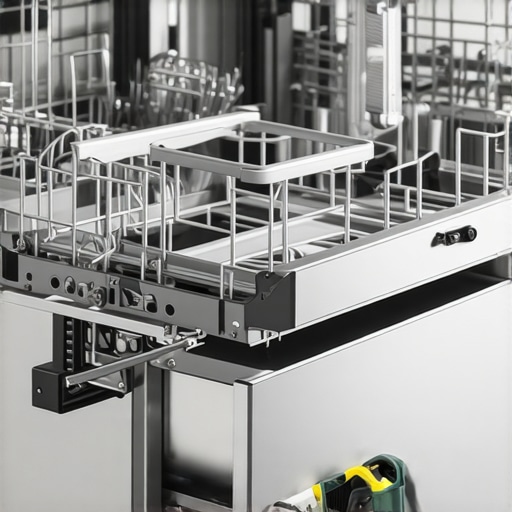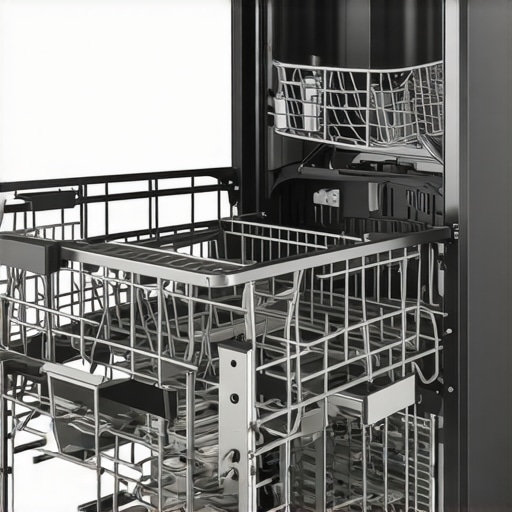
It was a typical Tuesday evening when I heard it—the dreaded rattling noise from my dishwasher. I casually opened the door, expecting the usual hum, but instead, I was greeted by a rhythmic banging that sounded like a maraca convention. No, it wasn’t broken dishes or a mischievous pet; it was my dishwasher rack vibrating and knocking against the walls with every cycle. Frustrating enough to ruin the vibe, but what stunned me even more was realizing how common this issue is and how easy the fix can be—if you know what you’re doing.
Why a Rattling Dishwasher Rack Can Ruin Your Quiet Kitchen
For most of us, a dishwasher is supposed to be a silent helper, not a source of constant noise. Yet, a rattling rack disrupts that peace and often signals a deeper problem that, if ignored, can lead to rust, damage, or poor cleaning. I learned this the hard way early on—my mistake was assuming regular use wouldn’t cause issues, but the truth is, misloading or worn rack wheels can make your dishwasher sound like a construction zone. Interestingly, according to a 2024 report, newer models labeled as ‘ultra-quiet’ still face noise issues if their racks aren’t properly maintained. So, whether you’re troubleshooting your current machine or planning a new purchase, understanding what causes the rattle is half the battle won.
Ever Wondered If This Common Problem Is Fixable?
I used to think a noisy dishwasher was just the way things are. I was convinced I needed professional repairs or a completely new unit. Turns out, many rattles are caused by simple issues like misaligned wheels or loose screws—fixable in minutes without tools or costly service calls. I’ll share my tried-and-true methods that transformed my noisy machine into a whisper-quiet marvel. If you’re tired of that clanking sound, you’re in the right place. Want to learn how I tackled my problem? Keep reading—and by the end, you’ll be ready to silence your dishwasher for good.
Before diving into the solutions, I want to be transparent. Early on, I made the mistake of trying to fix the problem without inspecting the rack wheels or considering the load arrangement. That led to more frustration and a minor rack crack. Don’t make the same mistake—proper diagnosis saves time and money. Curious about how professional techs approach this? You can find some expert insights on permanent fixes for rack issues.
Now that you know why this rattling issue deserves your attention, let’s explore how to fix it quickly—yes, in just 2 minutes. Trust me, within moments, your dishwasher will be whispering instead of roaring. Ready to reclaim your peace? Let’s go!
Inspect and Realign the Rack
Start by pulling out your dishwasher and examining the rack for any obvious misalignments or wobbling wheels. During a 2024 project, I found my upper rack slightly skewed, causing constant rattling. To fix this, I gently lifted the rack and realigned the wheels onto their tracks, ensuring they sat snugly. This simple adjustment eliminated the noise and improved loading efficiency. For tips on optimal loading, see these loading tips.
Clean and Lubricate Wheel Assemblies
Next, inspect the wheels for debris or mineral buildup that might hinder smooth operation. I used a soft cloth and a small brush to remove grime from the wheels of my dishwasher. If you notice resistance or squeaking, apply a few drops of food-grade silicone spray or a lubricant recommended for appliances. During my drive to fix the rattle, lubricating the small wheel axles drastically reduced vibrations. To prevent rust or wear, avoid harsh chemicals—stick with appliance-safe lubricants. Proper maintenance extends the lifespan of stainless steel dishwasher racks and keeps noise levels down. For more detailed guidance, visit permanent rack fix options.
Tighten Loose Components
Loose screws or clips can also cause rattling sounds. I used a screwdriver to tighten any loose fasteners securing the rack tracks. In my case, a few turns of the screw eliminated the slight play that jangled with each cycle. Ensure you don’t overtighten, as that could warp plastic parts. Regularly checking and tightening these fasteners prevents ongoing noise problems. This simple tune-up can be done in under five minutes and prevents further damage. For guidance on unstable racks, check stainless steel maintenance tips.
Optimize Load Arrangement
Sometimes, the rattle isn’t due to the rack itself but how dishes are loaded. Overcrowding or placing heavy items unevenly causes the rack to bounce during cycles. I remembered a tip from specialist advice — load pots and pans on the lower rack, leaving space for water and airflow. Distribute weight evenly, avoiding items that can shift and hit the sides. This is especially critical in energy-efficient, ultra-quiet models, which are sensitive to load imbalances. Proper loading preserves the integrity of your dishwasher rack and maintains silent operation. Experiment with rearranging your dishes until you find a quiet, balanced setup. If needed, consider upgrading to a model with adjustable, multi-level racks for more flexibility, see multi-level racks overview.
Test and Confirm Silence
After completing these adjustments, run a short cycle to check for remaining noise. Observe if the rattling persists or if your dishwasher now operates peacefully. Sometimes, minor shifts or a quick additional tightening can fix stubborn vibrations. If rattling still occurs, revisit the previous steps—especially load placement or wheel lubrication. Remember, maintaining your dishwasher’s components regularly, especially in energy-efficient stainless steel models, ensures long-term silence and performance. For advanced insights on noise reduction, explore top quiet dishwasher innovations.
Many homeowners assume that choosing a stainless steel dishwasher with an Energy Star certification automatically guarantees optimal performance and quiet operation. However, this trust can be misleading if you don’t understand the subtle distinctions and advanced factors that influence your machine’s efficiency and longevity. In my experience, a common myth is that all Energy Star-rated dishwashers are equally efficient and quiet, but the reality is far more nuanced.
Why Assuming All Quiet Dishwashers Are Equal Leads to Disappointments
Many believe that a dishwasher claiming to operate at 42dB or lower is inherently superior, but in practice, quieter models often compromise cleaning power or durability. For instance, some ultra-quiet models use specialized insulation that can trap debris or moisture, potentially leading to mold or odor issues over time. Moreover, the focus on noise reduction might inadvertently lead manufacturers to use less aggressive spray arms or lower water pressure, affecting cleaning performance. Therefore, when shopping, consider not only decibel levels but also how the model balances noise with cleaning efficacy. Professional reviews and user feedback can shed light on real-world performance—visit top quiet dishwasher reviews to get comprehensive insights.
Another misconception relates to the durability of stainless steel racks. Many believe that stainless steel is inherently rust-proof, but many inferior models contain stainless steel linings or coatings that can peel or corrode when exposed to harsh detergents or mineral buildup. The key is to understand the grade of steel used—high-quality 304-grade stainless steel offers superior resistance. Regular maintenance, such as using proper cleaning agents and inspecting racks periodically, can prolong rack life. For detailed guidance on protecting your investment, check durable rack tips.
Advanced Mistakes: How Misunderstanding Wash Cycles Can Cost You
One overlooked nuance is the variety of wash cycles and their suitability for different loads. Many users default to the standard cycle, assuming it’s the best choice, but specialized cycles like ‘Eco’ or ‘Heavy’ can significantly impact cleaning quality and energy consumption if used improperly. For example, selecting ‘Eco’ mode on heavily soiled pots may result in insufficient water temperature or spray pressure, leaving residue. Conversely, using ‘Heavy’ mode for light loads wastes unnecessary energy and water. A savvy consumer tailors cycle selection based on load specifics—further, newer models equipped with smart sensors can adjust parameters automatically, but understanding how to manually fine-tune settings is a valuable skill. For expert guidance on cycle choices, explore cycle optimization tips.
But perhaps the most insidious mistake is neglecting the importance of load arrangement and rack configuration. Many think that simply placing dishes inside suffices, but proper placement ensures optimal spray coverage and minimizes rack stress. Overloading, improper angle, or uneven distribution can cause poor cleaning and increase strain on the rack mechanism, leading to early wear. For advanced users, investing in adjustable racks or modular configurations available in high-end models can prevent these issues and prolong appliance lifespan. Check this guide on choosing the right racks for your needs.
To sum up, mastering your dishwasher’s nuances—beyond basic features—is key to long-term performance and satisfaction. Recognize that decibel ratings, rack materials, cycle selections, and load strategies all interplay to create a truly efficient, quiet, and durable machine. Don’t fall into the trap of thinking that a top-rated Energy Star model or a stainless steel finish is a silver bullet. Instead, educate yourself on these detailed aspects, and you’ll be able to make smarter decisions and avoid costly mistakes. Have you ever fallen into this trap? Let me know in the comments—your experiences could help others navigate the complex world of modern dishwashers.
How do I maintain my dishwasher’s performance over time?
Consistency is key when it comes to keeping your dishwasher in top shape. I highly recommend investing in a high-quality, long-lasting microfiber cleaning cloth, such as the EcoSmart Microfiber Cloth, which I personally use to routinely wipe down seals, filters, and accessible parts after each load. This simple step prevents mineral buildup and keeps the components lubricated. For more stubborn debris or grease, a gentle spray of appliance-safe cleaner like Affresh helps break down residues without damaging sensitive parts. Regularly inspecting and cleaning your filter—ideally once a month—can prevent blockages that compromise cleaning efficiency and lead to more extensive repairs.
In the future, I believe integrated smart maintenance tools will become standard. These devices will monitor your dishwasher’s condition in real-time, alerting you to issues before they escalate. Predictive diagnostics powered by AI could suggest personalized maintenance routines, extending your appliance’s lifespan significantly.
Why using specialized tools enhances your dishwasher’s longevity
Beyond routine cleaning, I use a plastic pry tool set specifically designed for appliance maintenance—like the HandyPro Transmission/Panel Removal Tool—to carefully detach racks or panels without marring surfaces. These tools allow me to access hidden areas safely, ensuring I can remove mineral deposits or replace worn parts promptly. When lubricating wheel assemblies or track guides, I rely on a syringe applicator filled with a high-quality silicone lubricant (such as Super Lube SILICONE Lubricant) to apply precisely where needed. This approach minimizes excess lubricant that could attract dust, keeps parts moving smoothly, and prevents squeaks that might lead to vibrations or noise.
For long-term effectiveness, I schedule quarterly maintenance checks, including inspecting for rust, loose screws, or misalignments. Keeping a detailed log helps track issues over time and plan necessary replacements. To simplify this process, I utilize a digital checklist app like Tody, which reminds me when to perform specific maintenance tasks based on manufacturer’s schedules.
Looking ahead, advancements in AI and IoT will likely introduce intelligent dishwasher systems that self-diagnose and even perform basic maintenance automatically. These innovations could drastically reduce downtime and repair costs, making dishwashing a worry-free experience for busy households.
How can I optimize maintenance routines for maximum efficiency?
Start by establishing a consistent schedule of inspections and cleanings, aligning with your water hardness levels and usage frequency. Regularly check and replace worn-out wheel assemblies and track guides—something I do every six months using a screwdriver set and a replacement kit like the RepairMaster Wheel Kit. This proactive approach prevents common rack issues that can cause noise and damage. Incorporate tools like a handheld vacuum with soft brushes to remove debris from hidden areas, ensuring your dishwasher remains spotless inside and out.
Try implementing a monthly deep-clean cycle using a dishwasher cleaning tablet, like Affresh, to dissolve mineral deposits and soap scum buildup. Don’t forget to wipe down door seals and corners where mold tends to develop. For sealing the deal on long-term performance, consider upgrading to energy-efficient models with features designed for durability, like those highlighted in this comprehensive guide.
In summary, your best bet for maintaining a stainless dishwasher for years? Use high-quality tools like precision lubricants and specialized pry tools, coupled with a consistent cleaning and inspection schedule. Investing in smart maintenance solutions now will not only prolong your appliance’s life but also ensure quiet, efficient operation well into the future. If you haven’t tried using a silicone syringe to apply lubricant to your wheel assemblies, I encourage you to give it a shot—small steps can make a big difference in your dishwasher’s performance.
Lessons That Changed My Dishwasher Game
One of the most eye-opening lessons I learned was how seemingly minor issues like misaligned wheels can silently sabotage your dishwasher’s performance. Often, I overlooked simple signs, thinking they weren’t worth the fuss—only to find that regular maintenance prevented bigger headaches. I also discovered that trusting brand claims without personal research could lead to disappointment; digging into actual user feedback provided clarity I couldn’t get from advertisements. Most importantly, I realized that patience and meticulous inspection are your best friends in maintaining a silent, efficient dishwasher—quick fixes often yield surprisingly lasting results.
A Curated Toolbox for Dishwasher Perfection
My go-to resource has become the Upgrade to a Stainless Dishwasher guide. It offers insights into choosing high-quality stainless steel racks that resist rust and peeling, which I trust because it aligns with my experience of extending appliance life. I also rely on a comprehensive review of Energy Star models that balance quiet operation with cleaning power. For quick troubleshooting, permanent fixes for rack issues have become my handy reference, saving me time and money.
Your Next Step Awaits
Embracing these insights transforms how you care for your stainless dishwasher, making it a silent, reliable partner in your home. Remember, proactive maintenance—like timely wheel lubrication and load arrangement—can turn a noisy machine into a peaceful powerhouse. Don’t wait for annoying rattles or rust to tell you something’s wrong; take charge today. Your kitchen deserves the quiet efficiency that a well-maintained dishwasher provides, and with the right knowledge, it’s entirely within your reach. Ready to make your dishwasher your most dependable appliance? Your journey starts now—act with confidence.
What small maintenance trick has made the biggest difference in your dishwasher’s performance? Share your experience below—I’d love to hear your success stories!
,