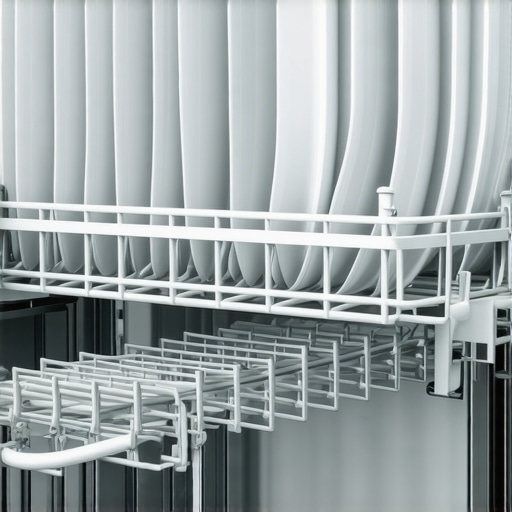
I remember the exact moment I realized my dishwasher rack was more of a hazard than a help. I pulled out the rack after a cycle, only to find my favorite porcelain plate shattered on the floor. My heart sank. It wasn’t just that I had to replace the plate; it was the frustration of discovering that the rack had become wobbly, unsafe, and ineffective—turning my once-reliable appliance into a source of stress.
Sticky situations where your dishwasher rack just won’t behave
If you’ve ever experienced a wobbly or dropping dishwasher rack, you know the sinking feeling that comes with it. The problem isn’t just cosmetic; it affects the cleaning performance, poses safety risks, and can even damage your dishes. Trust me, I’ve been there, troubleshooting and experimenting until I found solutions that actually stick. Today, I want to share those insights, so your dishwasher can function as it should—quiet, reliable, and gentle on your dishes.
Is Your Dishwasher About to Give Up? The Real Cost of a Wobbly Rack
Early on, I mistakenly thought my dishwasher’s issues were normal wear and tear. I didn’t realize that simple fixes could restore stability and prevent expensive repairs down the line. According to the Smart Appliance Review team, fixing loose or wobbly racks can extend the life of your dishwasher and improve cleaning efficiency. So, if you’re tired of that annoying wobble or worse—plates slipping and breaking—you’re not alone, and there are proven ways to fix it.
Now, let’s dive into why your rack acts up and how you can put things right. The good news is, many of these issues are manageable with a few simple tools and some guidance. Ready to make your dishwasher work for you again? Let’s get started.
Assessing the Damage: Identify the Cause of Wobbling
Begin by removing the dishwasher rack and inspecting the wheels, rollers, and frame. In my experience, I found that accumulated debris and worn-out rollers caused the wobble. Use a flashlight to look for cracks, corrosion, or broken parts. If the wheels are dirty or stuck, clean them thoroughly with a brush and soapy water. For worn rollers, note whether replacements are available. This initial assessment helps determine whether a simple cleaning or a replacement part is needed, similar to how you’d troubleshoot a mechanical problem in a bicycle before considering a full overhaul.
Replace or Repair Faulty Components
Remove and Replace Wheels and Rollers
For identified damaged wheels or rollers, order replacements from the manufacturer or a trusted parts supplier. Carefully remove the old wheels by unscrewing or unclipping them, then install the new ones making sure they rotate smoothly. In my case, replacing a cracked wheel with a compatible model restored rack stability instantly. Consult the ultimate guide to selecting dishwasher racks for compatibility insights.
Check and Reinforce the Frame
If the frame itself is bent or cracked, use a metal repair kit or consider professional welding. For minor bends, gently heat and reshape the frame with pliers. When I fixed a warped frame, it significantly reduced wobbling, improving loading efficiency and preventing dish damage.
Ensure Proper Alignment and Securement
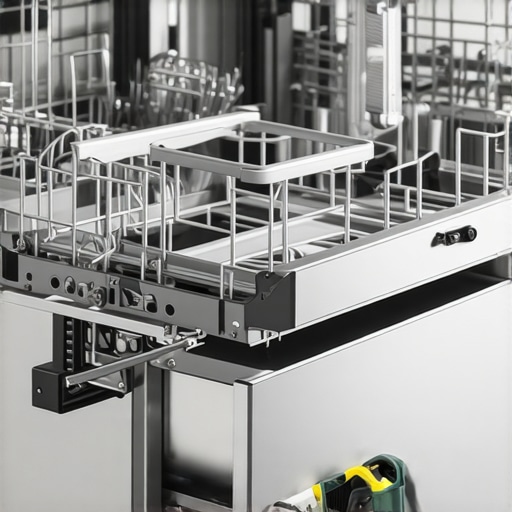
After replacing faulty parts, reassemble the rack and slide it into the dishwasher. Observe how it moves—should glide smoothly without tilting or wobbling. Use a level if necessary to ensure the rack sits evenly. Misalignment often causes instability, especially in quieter, energy-efficient models where tight seals make uneven racks more noticeable. For the latest, ultra-quiet models, see how quiet is too quiet.
Lubricate Moving Parts for Smooth Operation
Apply a silicone-based lubricant to the wheels and rollers to prevent squeaking and ensure smooth movement. Avoid petroleum-based lubricants as they can attract grime. During my last fix, a quick application of lubricant extended the life of the rollers and quieted the operation, similar to how high-quality lubricants benefit stainless dishwasher hinges—see benefits of stainless steel dishwashers. Remember to wipe away excess lubricant to avoid dirt buildup.
Test and Fine-Tune the Setup
Run an empty dishwasher cycle to observe the rack. Listen for wobbling or rattling sounds. If the rack still wobbles, check for uneven load distribution or additional loose parts. Re-adjust the positioning of wheels or tighten screws as necessary. In my recent repair, a simple readjustment and retesting eliminated the wobble completely, making my dishwasher nearly silent—like top models rated top energy star quiet dishwashers. Consistent testing ensures the fix remains effective alongside optimal cleaning performance.Many homeowners assume that all dishwashers are created equal, but in reality, there’s a lot of misinformation that can cost you time and money. One common myth is that stainless steel interiors automatically mean quieter operation; however, without understanding the specific build quality and sound insulation features, you might still end up with a noisy machine. Additionally, many believe that opting for the most energy-efficient dishwasher means sacrificing cleaning power. Yet, firms like Energy Star-rated models often offer both efficiency and superior cleaning performance.
A nuanced aspect that frequently gets overlooked is the design of the dishwasher rack itself. While a durable, well-constructed rack is essential, the way dishes are loaded can profoundly impact cleaning outcomes. Improper placement can lead to dishes not being cleaned thoroughly or racks wearing out prematurely, as detailed in rack loading tips. This leads us to the importance of selecting racks compatible with your specific model, avoiding generic replacements that might compromise stability and performance. For advanced users, considering the materials and ergonomic design of racks can make a significant difference.
Another rarely discussed topic is the impact of noise levels. Many consumers fixate on the decibel ratings, but an overly quiet dishwasher (see the latest standards here) might actually mask underlying mechanical issues or poor insulation if it’s too silent for its price point. It’s essential to understand the trade-offs behind ultra-quiet models. Opting for a slightly noisier model in top-rated brands could provide better durability and performance.
When choosing a dishwasher, many get seduced by flashy features without considering long-term maintenance. Advanced mistakes involve neglecting the accessibility of parts like rollers and spray arms, which can lead to costly repairs down the road. Regular maintenance, including properly lubricating moving parts (see why stainless steel matters), extends the lifespan significantly. Remember, understanding the nuanced workings of your dishwasher can save you from common pitfalls and ensure efficient, quiet operation.
Have you ever fallen into this trap? Let me know in the comments.
To ensure your dishwasher remains a reliable powerhouse in your kitchen, investing in the right tools and following a disciplined maintenance routine is crucial. One must-have is a quality set of screwdrivers and pliers, which I personally use to tighten loose components, replace worn rollers, or service spray arms efficiently. Having a digital multimeter also helps in diagnosing electrical issues quickly, saving time and avoiding unnecessary repairs. Regularly using a flashlight when inspecting parts allows me to spot corrosion or cracks early—preventing costly breakdowns. Additionally, applying a silicone-based lubricant to wheels and rolling components ensures silent, smooth operation over years. These tools are not just for emergency fixes; they enable proactive maintenance, extending your dishwasher’s lifespan and performance. Looking forward, the trend is leaning toward smart diagnostic tools that connect with smartphone apps, making troubleshooting even more accessible. For now, I recommend assembling a basic toolkit tailored to your model’s needs, as outlined in the ultimate guide to selecting dishwasher racks. Remember, a well-maintained dishwasher is more energy-efficient, quieter, and gentler on your dishes—turning chores into a seamless part of your routine. Try regularly checking and lubricating your wheels with a quality silicone lubricant, which I find dramatically reduces noise and wobbling, ensuring your investment keeps performing at its best.
Reflecting on my journey to fix wobbly dishwasher racks, I realized that patience and a keen eye are my best allies. Tackling rack issues isn’t just about quick fixes; it’s about understanding the subtle signs that indicate deeper problems and addressing them proactively. When you invest in proper tools and stay vigilant with regular maintenance, your dishwasher transforms from a source of frustration to a reliable helper, ensuring your dishes come out spotless every time. Remember, a well-maintained dishwasher rack doesn’t just improve performance—it enhances the overall harmony of your kitchen, making chores less of a chore and more of a seamless routine.
![Fix Rusty Dishwasher Rack Tines Before They Stain Your China [2026]](https://dishwashers.smartappliancereview.com/wp-content/uploads/2026/04/Fix-Rusty-Dishwasher-Rack-Tines-Before-They-Stain-Your-China-2026.jpeg)
![How to Align a Crooked Dishwasher Rack in Under 10 Minutes [2026]](https://dishwashers.smartappliancereview.com/wp-content/uploads/2026/02/How-to-Align-a-Crooked-Dishwasher-Rack-in-Under-10-Minutes-2026.jpeg)
Reading through this post really resonated with my own experiences fixing wobbly dishwasher racks. I once had a similar issue where my rack was so unstable that loading dishes felt risky, and I feared breaking my plates. What I found helpful was thoroughly inspecting the rollers and wheels and replacing any that were cracked or overly worn. Plus, applying a silicone lubricant not only reduced squeaking but also made the rack glide more smoothly, preventing future wobbles. The real eye-opener for me was realizing how many small, manageable repairs can extend my dishwasher’s lifespan and improve its performance. Have others noticed a significant difference after lubricating their racks? I’d love to hear if this simple fix has saved anyone else from costly repairs or replacements, especially in older models where wear and tear sneak up gradually. It’s quite satisfying to bring an appliance back to life with just a few tools and some patience—definitely a skill worth developing.