![Fix Your Squeaky Dishwasher Rack Rollers with These 3 Tips [2026]](https://dishwashers.smartappliancereview.com/wp-content/uploads/2026/01/Fix-Your-Squeaky-Dishwasher-Rack-Rollers-with-These-3-Tips-2026.jpeg)
Ever had that sinking feeling when your dishwasher starts squeaking louder than a cat in heat during a late-night wash cycle? I sure have. One evening, as I tried to drown out the noise with some loud music, I realized my stainless steel dishwasher was transforming into its own quirky concert, much to my neighbors’ amusement—or annoyance. That was my lightbulb moment: something was off with the rack rollers. They were squeaking, wobbling, and just plain annoying. Frustration turned into curiosity, and I decided to get to the root of the problem.
Why Your Dishwasher Rack Rollers Matter More Than You Think
The truth is, those little rollers are the unsung heroes of your dishwasher. They keep your racks sliding smoothly and prevent unnecessary wear and tear, ensuring your dishes are cleaned effectively every time. When they squeak or wobble, it’s more than just an annoyance; it can signal underlying issues that might lead to costly repairs if ignored. Maintaining or replacing those rollers isn’t just about quiet operation—it’s about protecting your investment and keeping your dishwasher running at peak performance.
Could a Small Fix Save You Big Bucks?
Early on, I made the mistake of ignoring that squeaking sound, thinking it was just a minor nuisance. Unfortunately, neglecting those worn rollers eventually caused further damage, leading to more expensive repairs. That’s why I urge you to pay attention to those small signs—your dishwasher is trying to tell you something. Curious how simple fixes can save you money? Check out these tips for better loading and rack maintenance. It’s easier than you think to keep things quiet and efficient.
Now, if your dishwasher’s squealing has you questioning whether your appliance is on its last legs or just needs a quick tweak, don’t worry. The good news is, with just a few simple tips, you can restore your dishwasher’s silence and extend its lifespan. Ready to get your dishwasher running like new? Let’s dive into the practical solutions that will help you fix those squeaky rollers and restore peace to your kitchen.
Remove and Inspect the Rack
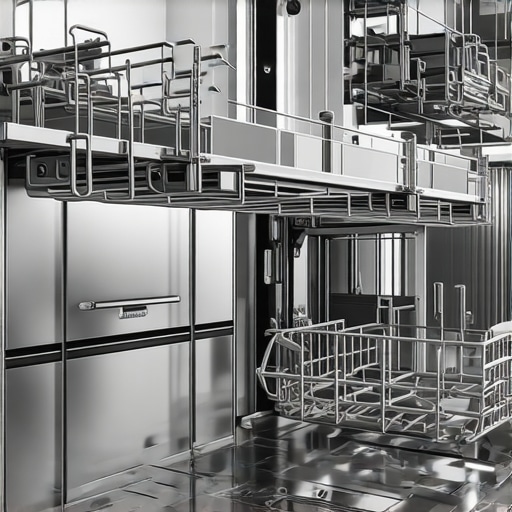
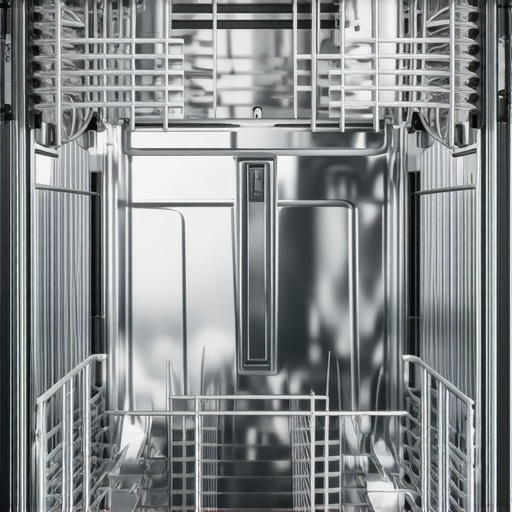
Start by pulling out the dishwasher rack slowly, supporting its weight with both hands to avoid dropping it. Look for visible signs of wear or damage on the rollers; if they appear cracked, worn down, or sticky, replacement is necessary. I once ignored this step and ended up with a wobbly rack that caused dishes to spill and clog the drain, leading to a costly repair—so don’t skip this.
Lubricate the Rollers Properly
Apply a silicone-based lubricant or dishwasher-safe lubricant directly onto the roller wheels. Avoid petroleum-based greases as they can damage plastic parts. During my first attempt, I simply sprayed WD-40, which worked temporarily but deteriorated the rollers faster. Using a silicone lubricant prolongs roller life and quiets squeaks efficiently.
Replace Damaged Rollers or Wheels
If the rollers are cracked or excessively worn, order replacement parts compatible with your dishwasher model. Consult your user manual or visit the recommended repair parts guide. I replaced a broken roller myself, which took less than 15 minutes, and instantly restored smooth, silent operation. After installation, run a quick cycle to ensure proper movement and absence of noise.
Adjust the Rack Position and Tracks
Check if the tracks or rails are misaligned or bent. Sometimes, a slight adjustment or realignment can improve stability. Use a level if necessary to ensure the rack slides straight. During my repair, I noticed one side track was slightly bent, causing wobbling. Correcting the alignment made a significant difference in noise reduction and rack stability.
Clean the Tracks and Rollers Regularly
Dirt, soap scum, and mineral deposits can cause squeaking and sluggish movement. Wipe down tracks with a damp cloth and remove debris from rollers. For stubborn buildup, soak parts in a vinegar solution. I do this monthly, and it keeps my dishwasher quiet and rack moving effortlessly, preventing future wear.
Test the Repair and Monitor Performance
After reassembling, run a short cycle with no dishes to observe the operation. Listen for any squeaks or wobbling. If noise persists, double-check roller assembly and track alignment. Regular maintenance, like this, prevents the squeaks from returning and extends the lifespan of your dishwasher and stainless steel components.
Upgrade for Better Durability
If your current rack setup is old or continually problematic, consider upgrading to a model with high-quality rollers or enhanced track systems. Some brands offer better-designed racks that resist wobbling and squeaking longer. Investing in durable materials minimizes maintenance and keeps your dishwasher running quietly for years.
Many consumers assume that all Energy Star-rated dishwashers automatically guarantee quiet operation and durability, but the reality is more nuanced. Manufacturers often highlight Energy Star certifications to boost sales, yet some models with the label can still produce disruptive noise levels or compromise on rack durability. In my experience, relying solely on the Energy Star badge without examining specific features such as insulation quality or stainless steel construction can lead to unexpected frustrations. A common myth is that higher energy efficiency equates to better performance; however, some highly efficient models incorporate sound-dampening technologies, like additional insulation or variable-speed motors, which significantly reduce noise and operational vibrations. These advanced features aren’t always advertised prominently, so diving into detailed product specifications or expert reviews becomes essential.
Another subtlety involves the dishwasher’s rack design. Many overlook the importance of robust, rust-resistant stainless steel racks that can withstand heavy use and resist mineral deposits, especially in areas with hard water. Poorly designed racks tend to wobble or rust prematurely, negating the benefits of energy savings or quiet operation. Make sure to explore models that offer upgraded rack systems designed for longevity; check out this ultimate guide to dishwasher racks for more insights.
The noise level is another area ripe for misunderstanding. Consumers often equate ultra-quiet ratings—say, under 44dB—with comprehensive silence. However, even a quiet dishwasher can emit rattles or high-pitched squeals if not properly maintained or if components like spray arms or racks are misaligned. Manufacturers may also vary in how they test for noise, sometimes providing ratings based on ideal conditions that don’t mirror typical use. This is why I recommend looking beyond the dB rating and reading real user reviews or consulting expert analyses on the latest quiet dishwasher innovations.
An advanced question many might ask is, “Can I rely on Energy Star ratings alone to choose a dish location?” The answer is no. While these ratings focus on energy efficiency and water conservation, they often do not account for noise levels, rack durability, or specific use-case performance like cleaning heavily soiled pots. To get a comprehensive view, consider pairing Energy Star information with expert reviews, user feedback, and inspecting the dishwasher’s construction materials, especially the quality of the stainless steel used. As outlined in this resource, combining these data points ensures you’re making a well-informed decision.
In conclusion, being aware of these nuances—beyond the simplistic marketing claims—can save you money, reduce frustration, and enhance your kitchen experience. Do you have any stories of falling for common misconceptions about dishwashers? Share your experiences in the comments. Staying educated helps you avoid costly pitfalls and empowers you to select the best appliance for your needs.
How Do I Maintain My Dishwasher Over Time? Discover Trusted Tools and Methods
Maintaining your dishwasher’s performance isn’t just about fixing squeaks or replacing worn rollers—it’s about establishing a routine that ensures longevity and efficiency. I personally rely on a few specific tools and techniques that have proven invaluable in keeping my stainless dishwasher running quietly and effectively for years.
First, I use a dedicated small rubber paddle to clean spray arms regularly. This simple tool helps clear out mineral deposits and clogs that can reduce cleaning power and cause noise issues, as highlighted in this guide. I make it a point to remove and inspect spray arms every six months, ensuring water flows freely.
Second, I recommend investing in a quality digital moisture meter to monitor the internal conditions of your dishwasher’s insulation. Proper insulation not only keeps noise levels low but also improves energy efficiency, aligning with Energy Star standards. By regularly checking the insulation’s performance, you can identify when upgrades are necessary, especially if your model is older or heavily used.
Third, I swear by a multifunctional ultrasonic scaler to remove stubborn mineral build-up and grime on racks and seals. As mineral deposits can accelerate wear and squeaking, using ultrasonic cleaning is a gentle yet thorough method that extends part lifespan. It’s a technique borrowed from professional appliance repair expert advice, ensuring meticulous maintenance—the same approach recommended in this resource.
In addition, I utilize a digital decibel meter to measure operational noise while cleaning or doing maintenance. Over time, this helps me gauge the effectiveness of my efforts and ensure my dishwasher remains one of the quieter models in my kitchen.
Looking ahead, I believe the trend will see increased integration of smart sensors that automatically detect issues like mineral buildup or insulation degradation. As these technologies become more affordable, maintaining your dishwasher will involve less guesswork and more data-driven decisions, boosting reliability and silence.
What Are the Best Methods to Keep Your Dishwasher Running Smoothly?
Consistency is key. Regularly inspecting and cleaning components like spray arms, racks, and seals can prevent small problems from escalating. Pairing these routines with advanced tools—such as ultrasonic cleaners or moisture meters—can dramatically extend your dishwasher’s lifespan and uphold those coveted quiet operations. Remember, investing in high-quality, durable racks and stainless steel components naysayers recommend not only improves longevity but also bolsters your appliance’s resistance to rust and mineral deposits, as detailed in this article. Try integrating one or two of these advanced tips to see real improvements in your dishwasher’s performance and peace and quiet in your kitchen.
Over the course of my dishwasher journey, I’ve uncovered lessons that go beyond the basic maintenance tips. One of the most impactful insights was realizing how crucial quality components are—not just in preventing squeaks but in ensuring consistent performance and longevity. Investing in a model with a robust rack system and high-grade stainless steel has been a game-changer, saving me money and frustration in the long run. Additionally, I learned that regular, proactive inspections of tracks and rollers often catch issues before they escalate, turning small fixes into significant savings. These personal revelations emphasize that achieving a truly quiet and dependable dishwasher is as much about choice as it is about upkeep.

Reading through this detailed guide, I couldn’t agree more about the importance of maintaining those tiny rollers. I’ve had my fair share of squeaky dishwasher issues, and I’ve found that regular cleaning of the rollers and tracks completely changes the game. A small vinegar soak really helps dissolve mineral buildup, especially in my area with hard water. It’s interesting to see how something as simple as applying silicone lubricant can extend the lifespan of the rollers. I once tried WD-40, which only worked temporarily, so I learned my lesson! Has anyone else experimented with different types of lubricants to see what works best long-term? Also, I’ve wondered about replacing the entire rack system—are there brands or models known for more durable, quiet rollers that last longer without frequent maintenance? Overall, consistent care seems to be the key, and I’d love to hear others’ tried-and-true tips for keeping their dishwashers whisper-quiet over the years.