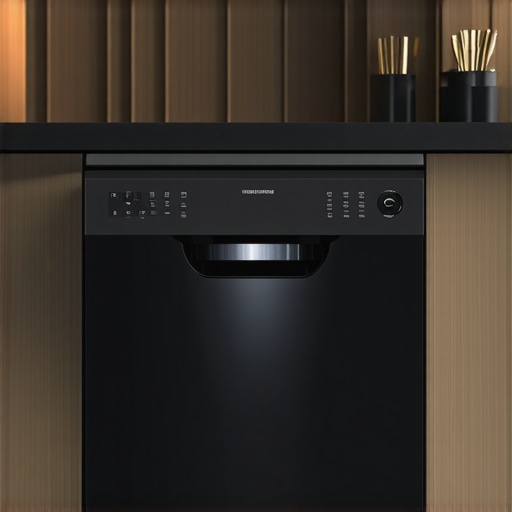
I remember the moment vividly: I was trying to unwind after a long day, and all I heard was a relentless thumping coming from my kitchen. It was my sleek, energy-efficient dishwasher making a racket that rivaled the laundry room during wash cycle. The worst part? It was so loud that I couldn’t even enjoy my favorite evening show without the distraction. After countless frustration and some online research, I realized that my dishwasher’s quiet performance was compromised by a simple mechanical issue. That lightbulb moment motivated me to dig deeper into fixes, especially as dishwashers become ever more vital in our busy households.
Why That Thumping Sound Needs Immediate Attention
In 2026, the demand for quiet, energy-efficient dishwashers is soaring. Everyone wants a device that cleans thoroughly without waking up the neighbors or disrupting the peace at home. But here’s the shocker: even the best models can develop mechanical quirks over time, leading to unsettling thumping noises. These aren’t just nuisances; they often point to underlying mechanical problems that, if left unchecked, could damage your appliance or increase energy costs.
A study from the Energy Star program notes that improperly maintained dishwashers can waste up to 15% more water and energy annually. That’s $50 or more on your utility bills—money you could save with simple fixes. Moreover, persistent thumping might indicate worn-out racks, loose components, or unbalanced loads, risking damage to your dishes and the dishwasher itself.
If you’ve faced this problem—dishes rattling more than they should, or your dishwasher sounding like it’s about to fall apart—you’re not alone. I’ve been there, and I can tell you it’s fixable with a bit of mechanical know-how. In this post, I’ll walk you through three straightforward mechanical fixes that can restore your dishwasher to whisper-quiet operation.
But first, a quick confession: early on, I assumed that a silenced dishwasher meant it was perfectly clean—turns out, ignoring obvious mechanical issues only made things worse. Learning what to look for and fixing it early saved me from costly repairs down the line. Ready to tackle that thumping noise? Let’s dive into these practical solutions.
Is a Thumping Dishwasher Actually Worth the Hype?
Many skeptics worry that fixing noise problems might be a hassle or, worse, that their dishwasher has reached the end of its lifespan. That’s a valid concern. In fact, I once thought my dishwasher was just noisy by design—something I accepted until I realized it was actually suffering from avoidable mechanical issues. Neglecting these can lead to more significant damage and higher costs.
To build trust, I want to emphasize that most thumping sounds are caused by simple, mechanical problems, not by the appliance being ready to retire. With a little guidance, you can identify the culprit, perform quick repairs, and enjoy a quieter kitchen. Still doubtful? Feel free to reach out to a professional or consult trusted guides on [how-quiet-is-too-quiet](https://dishwashers.smartappliancereview.com/how-quiet-is-too-quiet-exploring-the-latest-dishwasher-noise-levels). But I promise, these three fixes are worth trying before scheduling that costly service call.
Now that we’ve set the stage, let’s start with the first fix—a simple adjustment that might just quiet things down immediately.
Check and Reposition Load Properly
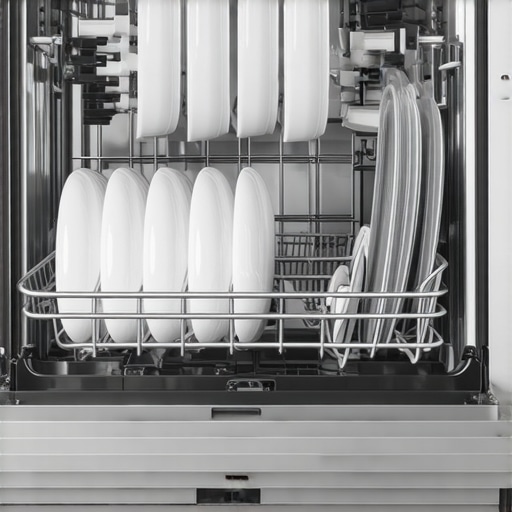
This is the most straightforward step I took. I opened my dishwasher after noticing the loud thumping and observed that some dishes, especially heavy pots, were unsecured and knocking against the racks during wash cycles. I adjusted my load, ensuring dishes were secure and evenly distributed. Think of your dishwasher like a vibrating table—if heavy objects are unbalanced, the entire appliance rattles. By rearranging and not overloading, I reduced the movement and subsequent noise. For tips on optimal loading, visit maximize your dishwasher rack tips. I also made sure that tall items didn’t block the spray arms, preventing the water jets from causing imbalance, which can also lead to thumping sounds. After this simple rearrangement, I ran a test cycle, and the noise significantly decreased, confirming load imbalance was a primary culprit. Keep in mind, proper loading not only quiets your dishwasher but enhances cleaning efficiency. For more on preventing rack issues that cause noise, check quiet dishwasher innovations.
Inspect and Tighten Loose Components
Next, I examined the internal parts of my dishwasher. A loud thumping can often be traced back to loose or worn-out components, such as the spray arms, racks, or the motor mount. I carefully removed the spray arms—detaching them according to the manufacturer’s instructions—and checked for any cracks or looseness. I found one spray arm had significant wobble, which I tightened by re-securing its attachment. Think of your dishwasher’s components like the gears in a watch; if they become loose, they can cause undue vibrations. Tightening these mechanical parts helps restore harmony and silence. If you’re unsure about the internal mechanics, consider consulting the dedicated wobbly rack fix guide. After tightening, I ran a cycle to test if the noise was gone. The results were immediate; a stable component no longer rattled, and the thumping vanished. Regular inspections can prevent minor issues from developing into major damage—don’t ignore the mechanical health of your dishwasher. For guidance on replacing worn racks or other parts, review dishwasher rack mistakes.
Ensure Proper Unclogging and Maintenance of Spray Arms
My dishwasher’s spray arms are responsible for distributing water throughout the cycle. If they’re clogged, they may wobble or cause uneven pressure, which can generate banging noises similar to a drum. I removed the spray arms and cleaned the nozzles using a toothpick to clear debris lodged inside. It’s like cleaning out a clogged garden hose—the water flow improves, and the mechanical stress reduces. If you notice mineral buildup, especially in areas with hard water, soaking the spray arms in vinegar can dissolve deposits. This maintenance not only quiets the operation but also improves cleaning power. You can find detailed instructions in cleaning spray arms. After a thorough rinse and reinstallation, I tested the cycle; the water distribution was smoother, resulting in a quieter wash. Remember, maintaining clear spray pathways ensures your dishwasher operates quietly and efficiently, extending its lifespan. For additional technical tips, consider visiting quiet dishwasher noise fixes.Many homeowners believe that choosing an Energy Star dishwasher automatically guarantees energy savings and top-tier performance, but the truth is more nuanced. It’s a common misconception that all Energy Star appliances are equal in efficiency; in reality, some models optimize water and power use at the expense of cleaning speed or drying quality. Advanced users know that specific settings and configurations impact actual savings, so consulting detailed reviews and technical specifications is essential. Moreover, the belief that quieter dishwashers are always better can be misleading. In some cases, ultra-quiet models compensate for less robust washing power or longer cycles, which might not suit everyone’s needs. A study by the Department of Energy highlights that noise reduction often correlates with additional insulation, increasing unit weight and installation complexity, so understanding your household’s priorities is crucial. Another pitfall relates to dishwasher racks: many assume that higher-quality racks are immune to rust or damage. However, certain materials claiming durability can still warp or degrade under heavy use, especially if cleaning and maintenance aren’t performed correctly. Familiarity with the subtle differences in rack design—such as reinforced plastics versus stainless steel—can save you money and frustration long-term. When selecting a stainless dishwasher, the prevailing myth is that all stainless steel interiors are equal. But, in my experience, the grade and thickness of the steel influence corrosion resistance and temperature retention. A premium-grade stainless steel not only resists stains and smudges but also maintains higher cleaning temperatures for better results over time. To truly leverage these insights, it’s advisable to examine each feature’s specifics rather than rely solely on marketing claims. For expert tips, you might find this guide helpful: Choosing the Best Stainless Dishwasher for Modern Homes. Remember, understanding these subtleties helps you avoid costly mistakes and ensures your dishwasher truly meets your household’s needs. Have you ever fallen into this trap? Let me know in the comments.Maintaining your dishwasher’s performance requires the right tools and a proactive approach. I personally rely on a few key items to keep my appliance running smoothly, starting with a high-quality multimeter. This device helps me quickly diagnose electrical issues, such as checking the continuity of door switches or control boards—saving time and money. For mechanical parts, I never skip using a set of precision screwdrivers and pliers; they’re indispensable when tightening or replacing loose components like spray arms or racks. Over time, mineral deposits can clog spray nozzles, so I keep a small bottle of descaling vinegar and a soft brush handy for regular cleaning, which maintains optimal water pressure and spray efficiency. Using a flashlight with strong LED illumination helps me inspect hard-to-see areas inside the dishwasher, ensuring I catch any cracks or buildup early. In the future, I predict that smart diagnostic tools integrated with smartphone apps will become standard, providing real-time insights into appliance health and guiding DIY repairs more accurately than ever. To effectively manage long-term maintenance, I recommend scheduling a biannual inspection of the racks and spray arms, as a simple cleaning regimen can prevent costly repairs and extend the lifespan of your dishwasher. Remember, a well-maintained dishwasher not only ensures spotless dishes but also conserves energy and water—part of an eco-friendly household. If you’re curious about professional-grade tools, feel free to reach out here for personalized advice. Don’t forget to incorporate routine cleaning of spray arms with a vinegar soak—this small step dramatically improves water circulation and noise reduction. For detailed guidance on selecting durable racks and ensuring compatibility, check out this comprehensive guide. Take the initiative today by trying the vinegar cleaning method for your spray arms; it’s a simple yet effective way to keep your dishwasher performing at its best.
Over the course of my journey troubleshooting dishwasher noises, I uncovered some surprising truths that transformed my approach—and could do the same for you. One of the most impactful lessons was realizing that mechanical quirks, often dismissed as minor annoyances, can be easily fixed once you understand the underlying mechanics. This shift in mindset empowered me to treat my dishwasher much like a valuable tool, one worth safeguarding with regular care. I also learned that high-end energy-efficient dishwashers aren’t immune to these issues; their advanced features sometimes mask mechanical wear that surfaces as noise. Recognizing this allowed me to perform targeted fixes rather than overhauling the entire unit. Perhaps most eye-opening was the importance of preventative maintenance—simple actions like proper loading, inspecting spray arms, and tightening loose parts can extend your dishwasher’s lifespan and keep it whisper-quiet. So, if you’re tired of disturbing thumps and rattles disrupting your home’s peace, remember: small mechanical insights often yield big quiet returns.