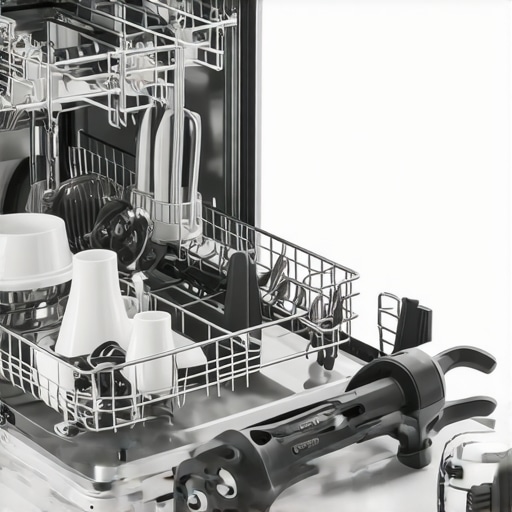
Ever been in the middle of rinsing a especially stubborn casserole dish, only to hear that dreaded wobble from your dishwasher rack? It’s like a tiny earthquake every time I load my dishwasher, and honestly, it used to drive me nuts. My morning routine was disrupted, dishes sometimes tipped over, and I couldn’t help but wonder—why now? Isn’t my dishwasher supposed to be reliable, quiet, energy-efficient? Yet here I was, battling a rattling, unstable rack that made loading and unloading feel like a game of Jenga.
Why a Wobbly Dishwasher Rack Can Be More Than Just Annoying
At first, I brushed it off as a minor inconvenience—a faulty wheel or a misaligned rail. But I soon learned that a wobbly rack isn’t just a nuisance; it can cause real damage. Excessive movement leads to worn out parts, cracked wheels, and even scratches on your dishes. Worse, it can impair cleaning performance if the rack doesn’t sit properly. Regularly, I found myself reloading dishes multiple times, wasting water, energy, and time — pressing on with a frustration that grew with each wobble. The good news is that fixing this doesn’t require replacing the entire unit or calling in high-cost professionals. There are quick, simple fixes that can restore stability and extend the life of your appliance.
Have You Faced This Problem Too?
If you’ve ever wondered whether your dishwasher’s wobbliness is a sign of deeper issues or just a minor fix, you’re not alone. I made the mistake early on of assuming new dishwashers are trouble-free; turns out, many common issues like a wobbly rack are surprisingly simple to resolve with the right knowledge. Now, I want to share with you the top three quick fixes that transformed my dishwasher from a wobbling warrior to a steady, efficient machine. Keep reading, because your dishes—and your sanity—will thank you!
If you’re interested in exploring more about energy savings or upgrading to a durable stainless steel model, check out this guide on energy-efficient dishwashers or upgrading to stainless steel for durability and style. But first, let’s get your rack steady—because a wobble-free dishwasher is a happy dishwasher.
Remove and Inspect the Rack Carefully
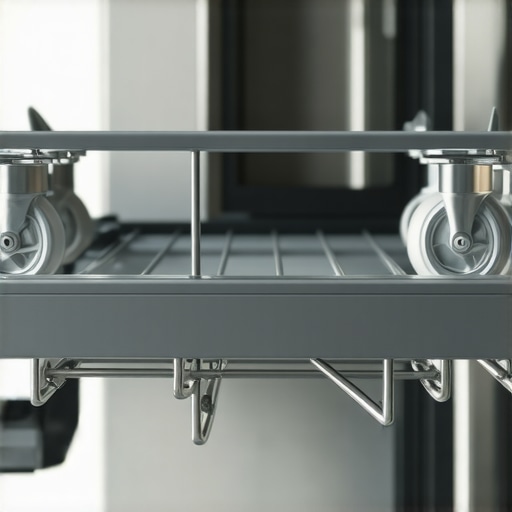
Start by pulling out the dishwasher rack slowly, using both hands to avoid dropping dishes. Examine the wheels and rails for signs of debris, cracks, or misalignment. I once popped out a wheel that was stuck with hardened grime, which caused the wobble. Cleaning the wheels with a soft brush and warm water made a noticeable difference in stability.
Adjust or Replace Faulty Wheels
Next, check if the wheels rotate smoothly or are damaged. If they’re cracked or seized, replace them. For minor misalignments, loosen the wheel’s screw, reposition it properly, then tighten securely. I replaced two wheels using a universal kit from my local hardware store, which restored the rack’s balance and prevented dishes from tipping over.
Realign the Rails and Lubricate Moving Parts
Ensure the metal rails sit evenly and aren’t bent. Use pliers to straighten minor dents. Apply a small amount of food-safe lubricant or silicone spray to the rails and wheels to reduce friction. I noticed that a quick lubrication significantly reduced noise and increased stability, making loading smoother.
Tighten All Screws and Bolts
With everything aligned, tighten all screws holding the wheels and rails in place. Loose screws can cause wobbling. As I tightened a loose bolt, the rack felt more secure, and the wobble vanished. Double-check after a few cycles to confirm everything stays tight.
Test and Fine-Tune the Setup
Push the rack back into the dishwasher and load a few dishes to test stability. Observe if it wobbles or shifts during operation. If it does, re-examine the wheels and rails or consult your dishwasher’s manual for specific adjustments. Remember, maintenance is key to extending your dishwasher’s lifespan and ensuring optimal cleaning.
For a detailed look at choosing the right racks and upgrades, visit this comprehensive guide.
Prevent Future Problems and Keep It Quiet
Regularly clean your dishwasher’s interior and inspect the rack components. Consider upgrading to a durable, rust-resistant stainless steel rack for longer life and better performance. Check out this article for tips on making your dishwasher quieter and more efficient, contributing to a peaceful kitchen environment.
Many homeowners assume that all stainless steel dishwashers are created equal or that their quiet operation inherently means superior cleaning power. However, these common beliefs overlook crucial nuances that can impact performance, durability, and energy savings. For instance, some believe that a higher price tag guarantees better quality, but often, budget-friendly models with the right features outperform pricier options. Understanding these intricacies can help you make smarter choices, avoid costly mistakes, and maximize your appliance investments.
Is a Quieter Dishwasher Always Better at Cleaning?
Contrary to popular belief, a quieter dishwasher doesn’t necessarily mean it cleans more effectively. Manufacturers often reduce noise levels by insulating soundproofing materials, which might compromise internal airflow and drying efficiency. A study from the Department of Energy highlights that ultra-quiet models sometimes have longer cycle times, which could increase energy consumption if not carefully managed. Therefore, it’s essential to balance noise ratings with cleaning power and cycle duration, not just opt for the quietest model available.
Another misconception is that stainless steel interiors guarantee better hygiene. While stainless steel resists staining and rust, it doesn’t automatically sanitize dishes more effectively. Regular maintenance, proper loading, and choosing ENERGY STAR rated models with advanced wash cycles are more critical for hygiene and energy savings. For comprehensive advice, consider reviewing our guide on ENERGY STAR stainless steel dishwashers.
Many also overlook the importance of selecting the right dishwasher rack and ensuring it fits your household’s needs. An ill-fitting or poorly designed rack can cause items to shift, leading to incomplete cleaning and potential damage. Upgrading to a durable, well-designed rack not only improves cleaning results but also extends the lifespan of the appliance, which is why understanding these details is vital. Dive into our article on best dishwasher racks for more insights.
Finally, many consumers underestimate how energy-efficient models can significantly reduce utility bills, especially when equipped with features like eco modes and optimized water usage. There’s a misconception that energy-efficient dishwashers compromise on performance; yet, experts confirm that with proper use and maintenance, these models deliver exceptional cleaning while saving power. To explore top-rated options, check out our selection of Energy Star dishwashers that cut utility costs.
In summary, the key to choosing the right dishwasher lies in understanding the nuanced trade-offs among noise level, cleaning effectiveness, durability, and energy consumption. Don’t fall for misconceptions that might lead to unnecessary expenses or subpar performance. Instead, focus on integrated features and verified reviews to find the optimal model for your home. Have you ever fallen into this trap? Let me know in the comments, and I’ll help you decode your next dishwasher purchase for maximum value and reliability.
Maintaining your dishwasher’s performance over the long term relies heavily on utilizing the right tools and adopting effective maintenance routines. Personally, I swear by a few specific equipment and methods that ensure my appliance remains efficient and quiet, especially when dealing with stainless steel interiors and racks that need periodic upkeep.
Essential Tools for Durable Dishwasher Care
One of my primary tools is a precision screwdriver set. I use this to tighten loose screws on wheels and rails, which are often the culprits behind instability or unwanted noise. A small plastic prying tool is invaluable for removing and realigning tricky racks or accessing spray arms without damaging sensitive components. For cleaning, I prefer a soft-bristled brush and a microfiber cloth. These help me gently remove grime from wheels, rails, and around seals, ensuring everything moves smoothly without introducing scratches, particularly on stainless steel surfaces.
Software and Routine Maintenance for Peak Performance
Beyond physical tools, I incorporate a regular spray arm cleaning schedule. This keeps water flow optimal, ensuring powerful cleaning cycles without extra effort. Additionally, using a progressive dishwasher cleaner every few months helps prevent build-up of mineral deposits and greasy residues, which can compromise energy efficiency. These cleaning routines have extended the lifespan of my stainless steel dishwasher and kept operational noise at a minimum.
Anticipating Future Trends in Dishwasher Maintenance
The trend toward smart, self-monitoring dishwashers suggests that in the near future, appliances will alert owners about potential issues before they become serious. Integration with IoT devices allows for remote diagnostics and scheduled maintenance prompts, reducing downtime and repair costs. Investing in such models now, especially those compatible with Energy Star standards, could be a smart move for those wanting to stay ahead of maintenance needs. For now, pairing manual checks with these insights offers the best long-term results.
How do I maintain my dishwasher over time?
The key is consistency. Regularly inspecting and tightening wheels and rails with precise tools, performing deep cleanings with specialized products, and staying informed about developments like stainless steel durability standards ensures your dishwasher remains efficient. Also, do not overlook the importance of periodically replacing worn racks with high-quality, rust-resistant models, which directly impact cleaning effectiveness and appliance longevity. Try applying a thorough lubricant to moving parts quarterly—it’s a small step that prevents squeaks and wobbles, maintaining both quiet operation and stability. For an extra boost, consider scheduling routine professional inspections, especially if your unit has become noticeably louder or shows signs of wear. Keeping your dishwasher in top shape not only saves energy, as highlighted in the Energy Star guide, but also prolongs its lifespan, saving you money over time.
In my experience, proactively maintaining your dishwasher with these targeted tools and routines ensures it continues performing at peak efficiency. A simple yet systematic approach will help you enjoy spotless dishes, quiet operation, and energy savings for years to come. Don’t forget to try integrating these tips into your regular maintenance—they truly make a difference!
What I Wish I Knew About the Hidden Life of Dishwasher Racks
One of the most eye-opening lessons I learned was that the seemingly simple task of tightening a loose wheel could dramatically improve my dishwasher’s performance and longevity. I realized that regular maintenance, like lubricating rails and inspecting for cracks, isn’t just for pros—it’s essential for homeowners who want reliable, quiet operation. This proactive approach saves me from costly repairs and keeps my kitchen humming smoothly.
Another revelation was that high-end stainless steel interiors aren’t magic—they require proper care, including gentle cleaning and avoiding abrasive scrubbers. Over time, I discovered that a few simple tools and routine checks make a huge difference in maintaining that pristine finish, which not only looks good but also resists stains and rust.
Lastly, I understood that energy-efficient models with advanced features deliver more than just power savings—they enhance everyday convenience, reduce noise, and cut down on re-washes. Investing in an ENERGY STAR-rated dishwasher, combined with mindful usage, has transformed my dishwashing routine from a chore into a seamless part of my day.
Tools and Tips That Elevated My Dishwasher Game
I swear by a set of precision screwdrivers and soft brushes for quick repairs. They let me tighten and realign components without fuss and gently clear debris from wheels and rails. Regularly using a dishwasher cleaner helps prevent calcium buildup, ensuring water flows freely and cleaning cycles remain efficient. For professional-grade tips, I recommend exploring this guide on stainless steel durability.
For tracking maintenance and troubleshooting, I rely on trustworthy online communities and expert blogs. They keep me updated on emerging trends, like smart diagnostics and self-monitoring systems, which I believe will redefine maintenance routines in the years ahead. Staying informed empowers me to make smarter choices and extend my dishwasher’s lifespan confidently.
Your Next Step Toward a Quieter, More Reliable Kitchen
Embracing regular upkeep, wise upgrades, and informed purchases transforms your dishwasher from a noisy, unreliable appliance into a silent, efficient member of your home. Today, you have the power to make smarter decisions that benefit your household’s comfort, savings, and peace of mind. Remember, a well-maintained dishwasher isn’t just about clean dishes—it’s about creating harmony in your kitchen environment.
What maintenance routine have you found most helpful for your dishwasher? Let me know in the comments below—I’d love to hear your tips and experiences!
![5 Reasons Your Dishwasher Rack Is Sagging [2026 Fixes]](https://dishwashers.smartappliancereview.com/wp-content/uploads/2026/02/5-Reasons-Your-Dishwasher-Rack-Is-Sagging-2026-Fixes.jpeg)