I remember the moment vividly—loading my dishwasher after a busy day, only to hear that unsettling wobble when I pushed the rack in. It was like my once-silent kitchen had become a mini drum. At first, I shrugged it off as a minor annoyance, but over time, that wobble grew louder and more frequent. Dishes didn’t sit quite right, and I kept wondering if I was damaging my beloved stainless-steel dishwasher in the process.
Have you ever experienced that frustrating sensation—your dishwasher rack teetering, making loading and unloading feel like a gamble? If so, you’re not alone. A wobbly rack can seem like a small hiccup, but it can lead to bigger problems—less effective cleaning, dish damage, or even costly repairs down the line.
Today, I want to share what I learned about fixing that wobble, especially in our modern, quiet, and energy-efficient dishwashers. Many folks worry that addressing this issue might be complicated or require professional help—but let me assure you, that’s not the case. In fact, I’ve discovered four straightforward fixes that anyone can try, even if you’re not particularly handy. These solutions will restore stability to your rack and keep your dishes safe, all without breaking the bank.
Why does this matter now more than ever? Well, with the rising trend of ultra-quiet, Energy Star-certified dishwashers, maintaining their performance is essential. A stable rack not only prolongs the life of your appliance but also ensures that your home stays peaceful—they’re designed to be whisper-quiet, after all! Plus, if you’re upgrading to a stainless-steel model, like those highlighted in our [ultimate guide](https://dishwashers.smartappliancereview.com/upgrade-to-a-stainless-dishwasher-durability-meets-elegance), you’ll want to keep everything in tip-top shape.
So, have you faced this wobbling dilemma with your dishwasher rack? If yes, stick around. We’re about to dive into some practical, proven fixes that will get your washer working smoothly again, preserving both your dishes and your sanity.
Assess the Rack and Spot the Issue
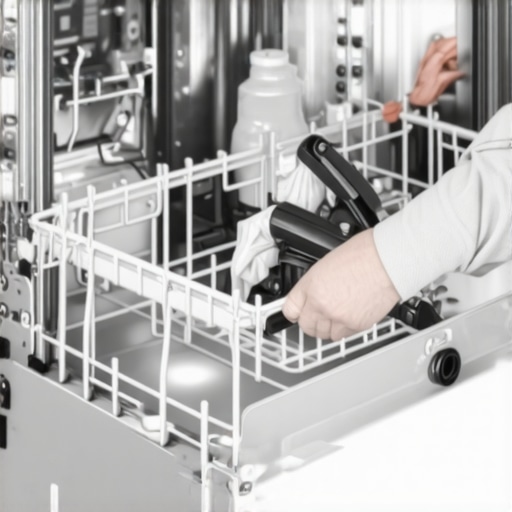
Start by removing dishes and carefully pulling out the rack to inspect its wheels and tracks. As I did one morning, I noticed a wheel was misaligned after a heavy load of pots. Think of the rack like a shopping cart—it needs all wheels in perfect condition to roll smoothly. Check if any wheels are cracked, broken, or missing; these are common culprits that cause wobbling.
Evaluate the Tracks for Debris and Damage
Next, examine the tracks your rack slides on. Sometimes, debris like mineral deposits or food particles can accumulate and hinder movement, similar to dirt in a bicycle chain. Clean the tracks thoroughly with a soft cloth and warm, soapy water. If you spot rust or dents, you’ll need to decide whether cleaning suffices or replacements are necessary.
Adjust or Replace Damaged Components
If wheels are loose or misaligned, tighten their screws with a screwdriver, or replace the wheels altogether. For instance, I once replaced a broken wheel with a universal compatible part from the hardware store. Think of it like replacing a worn-out wheel on a stroller—simple but effective. Always ensure that the replacement wheels match your dishwasher’s model for optimal fit.
Test and Fine-Tune the Rack Stability
Reinsert the rack carefully, ensuring all wheels drop into the tracks properly. Test the stability by gently pushing and pulling the rack—if it wobbles less or not at all, you’re on the right track. Remember, proper alignment is key to silence and smooth operation—especially in a quiet dishwasher. If wobbling persists, repeat the inspection for overlooked debris or loose parts.
Prevent Future Wobbles with Maintenance
Routine checks can keep your dishwasher running quietly and efficiently. Monthly, inspect wheels and tracks, and clean them to prevent mineral buildup—similar to oiling bicycle chains to avoid squeaking. For ongoing durability, consider upgrading to a newer stainless steel dishwasher known for its robust racks and long-lasting parts.
Many misconceptions surround dishwasher performance, especially concerning stainless models, quiet operation, and energy efficiency. Contrary to popular belief, not all stainless steel dishwashers are created equal; some cheaper models may rust or warp faster than high-quality options, undermining durability. Be wary of the myth that quieter dishwashers always sacrifice cleaning power; advancements in quiet dishwasher technology demonstrate that you can enjoy both tranquility and thorough cleaning simultaneously. Additionally, there’s a common trap in assuming that energy Star certification guarantees optimal performance in every scenario. While Energy Star models are designed for efficiency, they sometimes use less aggressive wash cycles, leading to inadequate cleaning of heavily soiled dishes—something many overlook when prioritizing savings over sanitation. For the savvy homeowner, understanding these nuances helps in selecting appliances that truly match their needs. One advanced consideration is the impact of rack design on cleaning efficacy and longevity. Superior racks with reinforced materials and optimized wheel arrangements can greatly reduce wobbling and extend your dishwasher’s lifespan, as discussed in our comprehensive rack selection guide. Moreover, improper use or neglecting routine maintenance can lead to issues like rusting or mechanical failure. For example, scrubbing tracks and wheels periodically prevents mineral buildup that accelerates deterioration. Experts emphasize that understanding the subtle differences in dishwasher construction, like stainless steel durability and energy-efficient features, empowers consumers to avoid costly mistakes. Are you falling for any of these common traps? Let me know in the comments! Remember, the goal is not just to buy a dishwasher but to select a model that offers consistent performance, longevity, and peace in your home.Maintaining a dishwasher, especially our modern, quiet, and energy-efficient models, requires the right tools and a proactive approach. One essential item I personally rely on is a set of precision Phillips head screwdrivers. These allow me to tighten loose wheels or replace worn-out parts on the rack with pinpoint accuracy, reducing wobbling and ensuring smooth operation. Additionally, a quality nylon scrub brush is invaluable for cleaning tracks and wheels without scratching delicate stainless-steel surfaces, helping prevent debris buildup that can impair performance. To detect hidden issues early, I recommend investing in a digital torque wrench, which I use to ensure the proper tension when reinstalling rack components—over-tightening can damage parts, while under-tightening leads to instability. For routine cleaning, a mixture of warm water and white vinegar works wonders on mineral deposits, keeping the wheels and tracks debris-free, much like a routine bicycle maintenance. If you’re serious about maximizing your dishwasher’s lifespan, consider regularly inspecting the rack wheels and tracks through a dedicated maintenance schedule. Many experts suggest doing this every 3-6 months, especially if you notice any wobbling or noise during operation, as this proactive step can save you costly repairs later. Principles from appliance repair specialists, like those documented in technical manuals, emphasize that consistent maintenance prevents rust and mechanical wear, extending the life of stainless steel and energy-saving components. Looking ahead, I predict that smart diagnostic tools—such as Wi-Fi enabled sensors—will become standard for home dishwashers, providing real-time alerts for issues before they escalate. For now, I encourage you to try one of these advanced tips—perhaps beginning with inspecting your rack wheels and cleaning tracks thoroughly. This small investment in tools and routine checks can dramatically boost your dishwasher’s efficiency and longevity, ensuring quiet operation and sparkling dishes for years to come. For more detailed guidance on selecting tools tailored for appliance maintenance, visit our contact page.
What I Wish I Told Myself About Dishwasher Racks
One of the most surprising lessons I learned was that even a minor wobble in my dishwasher rack could hint at bigger issues—like wear and tear that silently compromises cleaning efficiency over time. Ignoring these signs only led to costlier repairs later, reminding me that paying attention to small details can save money and frustration.
How Overlooking Routine Checks Costs More Than You Think
Skipping regular inspections of wheels and tracks might seem harmless, but it often results in mineral buildup and misalignment, making the wobble worse. The lightbulb moment was realizing that preventive maintenance is an act of kindness—not just for my dishwasher, but for my entire kitchen’s harmony.
Some Tools I Can’t Live Without for Dishwasher Maintenance
Having a good set of screwdrivers, a nylon scrub brush, and a digital torque wrench became game-changers. These tools allowed me to swiftly tighten loose parts, clean debris from tracks, and ensure proper reassembly. I trust recommended resources like our detailed benefits of stainless-steel dishwashers and our rack tips for efficiency to guide my maintenance routine.
Embrace the Power of Proactive Care
My final insight is that staying ahead with routine checks transforms a ‘problem’ into a simple task. It ensures your dishwasher remains quiet, efficient, and long-lasting. If you haven’t started a maintenance schedule yet, now’s the perfect time—your wallet and peace of mind will thank you.


Reading this brought back my own experience with a wobbly dishwasher rack last year. I never realized that a simple misaligned wheel could cause such a big wobble and affect the cleaning process. I followed some of the tips here, particularly inspecting and tightening the wheels, and it made a noticeable difference. It’s so satisfying to fix something yourself rather than calling a technician, especially when the repair is as straightforward as replacing a wheel or clearing debris from the tracks. My question is, has anyone tried using any specialized cleaning products to prevent mineral buildup on tracks before it causes misalignment? I’m curious if regular maintenance with specific solutions helps extend the lifespan of these parts or really makes a difference in preventing wobbling. I believe having the right tools like screwdrivers and brushes, as mentioned, is key for ongoing maintenance, but I’d love to hear about any additional preventive measures or products other homeowners find effective. This kind of proactive approach can really save money and keep the dishwasher running smoothly for years.