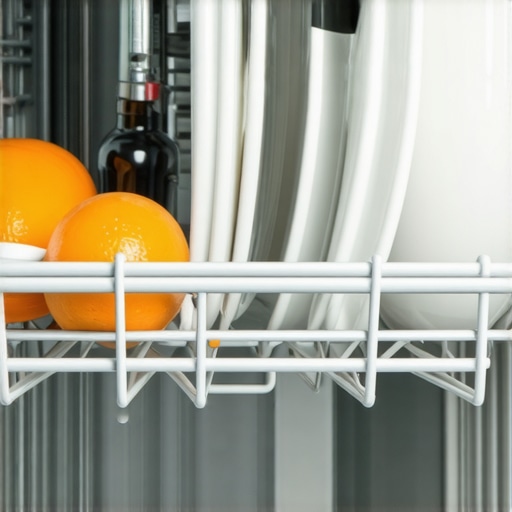
It was a quiet Sunday morning, the kind where I finally get to relax and enjoy my coffee, when I noticed something strange—the whites in my dishwasher had a faint orange hue. Panic set in. I ran to check my dishes, and sure enough, those stubborn orange spots had started to obsessively tarnish my once-glittering silverware. The revelation hit me: my new 2026 dishwasher rack was leaving unsightly discolorations, and I had no idea why.
Uncovering the Hidden Culprit Behind Orange Stains
Like many homeowners, I thought I had invested in the best—perhaps a sleek, energy-efficient model that promised spotless dishes and peace of mind. But that initial satisfaction quickly gave way to frustration as I encountered this persistent problem. Little did I realize back then, these orange spots aren’t just a cosmetic annoyance; they could be a sign that your dishwasher’s materials are reacting with mineral deposits or corrosion over time. According to appliance experts, mineral buildup from hard water is a common culprit that causes these discolorations, especially when your dishwasher rack’s protective coatings start to degrade.
If you’re sitting there wondering whether this is just a cosmetic issue, think again. These stains can lead to rust and damage your rack, shortening the lifespan of your appliance. And if you’re like me, perhaps questioning whether your shiny new energy-efficient dishwasher is worth the disappointment—trust me, there are solutions, and they are simpler than you might think.
Today, I promise to guide you through understanding why these orange spots appear and, more importantly, how you can effectively prevent or eliminate them. No more struggling with stubborn stains or feeling powerless against your dishwasher’s quirks. Ready to breathe new life into your appliance and restore your dishes to their pristine state? Let’s get started.
Is the Promise of a Stainless Steel Dishwasher Worth It?
Before we dive into solutions, I want to share my early mistake—thinking all stainless steel is created equal. I initially believed that choosing a stainless dishwasher meant I was immune to rust and stains. That was a mistake. Quality matters, and lower-grade stainless can develop issues faster. Want to learn more about investing in durable kitchen tech? Check out this comprehensive guide on benefits of stainless steel dishwashers for busy households. Now, onto what causes those pesky orange spots and how you can fix them for good.
Identify the Root Cause of the Orange Stains
Start by inspecting your dishwasher rack for signs of corrosion or mineral buildup. If the stains are localized around the tines or coating, it’s likely due to hard water minerals reacting with aging or damaged protective layers. Use a white cloth dampened with vinegar to gently wipe a small area; if the orange color transfers, mineral deposits are involved. Addressing the root cause is crucial before applying any cleaning method. For further insights, check out our guide on preventing stainless steel stains.
Remove Existing Stains Effectively
Use a Vinegar and Baking Soda Paste
Mix equal parts of white vinegar and baking soda to create a paste. Apply this directly onto the stained areas of your rack, especially where the orange hue is prominent. Let it sit for 15-20 minutes to dissolve mineral deposits and corrosion. Then, scrub gently with a soft-bristled brush or sponge. Rinse thoroughly and run a hot water cycle without dishes to flush out loosened residues. This method is proven to whiten discolored metal surfaces and restore rack integrity. Remember, this is not a substitute for replacing compromised coatings, but an effective cleaning step. For comprehensive cleaning techniques, consider reviewing stainless steel cleaning tips.
Protect Your Rack from Future Damage
Prevention is better than cure. First, verify if your water supply is hard—use a home water test kit or consult your locality. Installing a water softener can significantly reduce mineral buildup and prevent orange stains from recurring. Regular maintenance also helps: monthly vinegar runs can minimize deposits; avoid abrasive cleaners that damage protective coatings; and load dishes properly to prevent rack stress. Upgrading to a high-quality, stainless steel dishwasher provides better resistance to stains and corrosion. Additionally, consider using a protective rinse agent designed for hard water conditions. If your dishwasher is especially quiet or features energy-efficient cycles, proper rack care ensures these features operate optimally without accelerated wear. For more guidance, visit choosing durable dishwashers.
When to Replace Dishwasher Racks
If your cleaning efforts don’t restore the rack to its original condition or if corrosion continues to worsen, replacement may be necessary. Check your appliance’s warranty coverage and consult the manufacturer’s parts list. Replacing racks can be a cost-effective alternative to repairing extensive corrosion, especially if you’re aiming to maintain a sleek, modern dishwasher that complements energy-efficiency standards like Energy Star features. Proper installation ensures the rack functions smoothly, preventing issues like sagging or misalignment, which can exacerbate staining or damage. Maintain your new racks with the cleaning techniques outlined above to prolong their lifespan and keep your dishes sparkling.Many homeowners assume that selecting a quiet, stainless steel, or energy-efficient dishwasher guarantees trouble-free operation. However, misconceptions about how these features interplay can lead to costly mistakes. For instance, the idea that all stainless steel racks are equally durable is misleading. In reality, lower-quality stainless can develop rust or pitting faster, especially if users aren’t aware of proper maintenance techniques. To genuinely benefit from the durability of stainless steel, it’s essential to understand the nuances of material grade and manufacturer quality, which are often overlooked. Moreover, many believe that opting for the quietest dishwasher, with sound levels around 35dB, is universally advantageous. Yet, ultra-quiet models may come with compromises, such as inadequate drying or longer cycle times, which aren’t obvious at first glance. Experts recommend evaluating the entire cycle performance rather than just noise levels. Additionally, misconceptions persist regarding energy-star ratings; some think they only save water, but they also optimize power consumption, which can impact cycle duration and cleaning efficacy. A common trap is believing that energy-efficient cycles are always faster, but often, these settings extend wash times to reduce water and energy use, potentially leading users to perceive these models as less practical. Understanding these nuances enables consumers to select appliances that truly match their household needs and avoid costly misjudgments. If you’re considering an upgrade, it’s worth consulting comprehensive guides on selecting the best dishwasher features, like those found at our resource on benefits of stainless steel dishwashers for busy households, or exploring the differences in noise levels and cycle performance through expert reviews. Remember, a well-informed choice is your best defense against appliance disappointment. Have you ever fallen into this trap? Let me know in the comments.
Tools I Recommend for Keeping Your Dishwasher Running Smoothly
To ensure your dishwasher remains efficient and damage-free over time, investing in specific tools and adopting precise methods is essential. One of my go-to instruments is a high-quality digital moisture meter, which I use to monitor humidity levels inside the appliance, preventing mold growth and ensuring your stainless dishwasher stays in top shape. Additionally, my toolkit includes a set of soft-bristled brushes and microfiber cloths, perfect for cleaning delicate parts like spray arms and filters without scratching surfaces. For software, I rely on manufacturer-recommended diagnostic apps—like those from Siemens or Bosch—that connect via Wi-Fi, enabling me to identify issues early and run maintenance cycles remotely, saving time and money. Regularly updating your appliance’s firmware, when applicable, can improve performance and energy efficiency, aligning with Energy Star standards that aim for sustainability. For deep cleaning, I prefer vinegar-based descaling solutions and specialized dishwasher cleaning tablets, which I schedule monthly. These tools combined give me confidence in maintaining peak performance, prolonging lifespan, and preventing costly repairs.
How do I maintain my dishwasher over time?
Consistency is key. I recommend setting a monthly maintenance routine that includes inspecting and cleaning filters, sprayers, and the door seal. Using a soft cloth and descaling agents, as suggested in detailed cleaning guides, keeps mineral deposits at bay, especially if you live in hard water areas. Investing in a water softener system can drastically reduce mineral buildup, preventing those pesky orange stains on your racks. Additionally, I use a Wi-Fi diagnostic app to track cycle efficiency—this way, I catch potential issues like a failing circulation pump early. To ensure long-term effectiveness, always load dishes properly, avoiding overloading, which can stress racks and mechanisms. Keep your dishwasher’s software updated and periodically run high-temperature cleaning cycles with vinegar or commercial descalers. In the future, I predict robotics and AI will further streamline dishwasher maintenance, alerting homeowners to issues proactively and even scheduling self-cleaning routines. For now, integrating these tools and habits ensures your dishwasher stays reliable for years to come—try scheduling a deep cleaning with a vinegar descaling cycle this weekend to see immediate benefits.
After navigating through countless cleaning tips and appliance myths, I’ve come to realize that the key to a resilient dishwasher—and sparkling dishes—lies in embracing tailored knowledge and proactive habits. The journey taught me that small adjustments, backed by understanding the nuances of water quality, material strengths, and maintenance routines, are game-changers. Remember, investing in quality tools and not fearing minor repairs can extend your dishwasher’s lifespan and keep staining issues at bay. The insight that timely intervention beats costly replacements not only saved me money but also deepened my appreciation for my appliance’s potential when cared for correctly. Take these lessons to heart—you’re better equipped to tackle your dishwasher challenges than ever before.