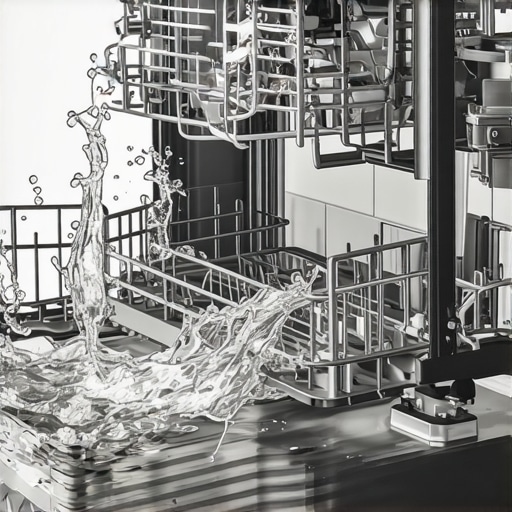
It was a quiet evening when I finally noticed something odd about my brand-new stainless dishwasher. It had that sleek, energy-efficient look, and I had just spent extra to make sure I bought one labeled with the latest Energy Star badge. Yet, as it finished its cycle, I was met not with silence, but a peculiar sloshing sound whenever it drained—like a mini wave crashing inside. That’s when the lightbulb went off: even the quietest, most modern dishwashers can have their quirks.
Why a Peaceful Kitchen Shouldn’t Come with Unexpected Noises
You’re probably like me—hoping your new dishwasher lives up to its promise of near-silence. After all, these models are often marketed as ultra-quiet, perfect for open-concept homes or late-night runs. But what happens when, despite all that, there’s still that persistent slosh every time it drains? It can be frustrating and even confusing, especially when you’ve invested in top-tier, energy-saving units. Today, I want to share how I unraveled this mystery—and how you can fix it too.
This issue matters because the draining noise isn’t just a minor annoyance; it can signal underlying problems that impact your dishwasher’s efficiency and longevity. According to recent tests from Smart Appliance Review, even the quietest models can produce sounds during drainage that consumers find distracting or worrisome. Understanding why this happens is crucial for preserving your appliance and maintaining peace in your home.
One mistake I made early on was ignoring the potential causes—simply assuming it was normal or a sign of impending failure. But as I dug deeper, I discovered that simple misalignments or minor drainage blockages could be the culprit, and they were easy to fix once identified.
Is your dishwasher worth fixing, or should you replace it right away?
This question haunted me at first, especially since I was wary of spending too much time or money on repairs. If you’re feeling skeptical, just know that addressing these drainage sounds can often be straightforward, saving you hundreds compared to full replacement. Plus, with proper maintenance, your dishwasher can perform as quietly as the day you bought it. Curious about the exact steps? Let’s dive into what might be causing your dishwasher’s sloshing and how to put an end to it once and for all.
Check for Proper Drain Hose Placement
Begin by inspecting the drain hose behind your dishwasher. Imagine it as the blood vessel for wastewater; if it’s kinked or positioned too high, it causes water to flow irregularly, creating that sloshing sound. To fix this, disconnect the power, loosen the hose clamp, and gently straighten the hose, ensuring it’s not kinked or compressed. Reattach it securely, then run a short cycle to test for noise reduction.
Remove and Clean the Drain Filter
The drain filter acts like the kidneys of your dishwasher, trapping debris to prevent clogs. Over time, it can become clogged with food particles or mineral deposits, causing drainage issues and unusual sounds. Locate the filter at the bottom of the dishwasher, unscrew or pull it out based on your model, and rinse it thoroughly under warm water. Use a soft brush to remove stubborn debris. Reinstall the filter, then observe if the sloshing diminishes.
Examine the Drain Pump and Impeller
The drain pump and impeller are like the heart and valves, moving wastewater out. If debris, mineral buildup, or wear obstruct the impeller blades, they can cause vibrations and sounds during draining. To access these parts, turn off the power and remove the bottom panel. Carefully inspect the impeller for obstructions or damage. Use a brush or cloth to clear deposits. If the impeller is broken or worn, replacing the pump assembly may be necessary—consult your model’s manual or contact a professional through our support page.
Ensure Proper Leveling of Your Dishwasher
A dishwasher that’s not perfectly level can cause oscillations and noise during operation. Think of it as a boat rocking unevenly—unsteady and noisy. Use a bubble level on the door or top edge. If uneven, adjust the leveling legs by twisting them clockwise to raise or counter-clockwise to lower. Tighten the locking nuts once level. This simple step can significantly reduce drainage sounds caused by vibrations.
Verify and Clean the Air Gap and Vent
The air gap prevents backflow, functioning as a safety valve. A clogged air gap causes improper drainage, leading to water sloshing sounds. Locate the air gap on the sink or dishwasher drain hose (it’s a small cylindrical fixture). Remove the cap and clean out any debris, mineral deposits, or soap buildup with a brush or pin. Reassemble and run a test cycle—this can eliminate or lessen the drainage noise.
Test After Each Fix and Observe Results
After performing each step, run a full cycle and listen carefully. Record if the sloshing sound persists or diminishes, like tuning a musical instrument to perfect pitch. If the noise remains, revisit the previous steps or consider other internal components like the check valve. Persistent noise might necessitate a professional diagnosis. For more advanced solutions or specific model guidance, visit top quiet dishwasher brands or contact experts through contact us.
Prevention Tips for Future Quiet Operation
Regular maintenance keeps your dishwasher whisper-quiet. Periodically clean filters, check for kinks, and ensure it’s leveled. Load dishes properly to prevent water and air blockages. Use energy-efficient cycles to reduce wear—view Energy Star benefits for more info. Proper care ensures your stainless dishwasher remains silent, efficient, and durable, especially since stainless models are more resistant to smudges and corrosion, making maintenance simpler as discussed in stainless benefits.
Many consumers believe that selecting a dishwasher is as simple as choosing the quietest or most energy-efficient model. However, this common misconception often leads to overlooking crucial nuances that can impact your dishwasher’s performance long-term. For instance, the assumption that all stainless steel dishwashers are equally durable ignores the variances in quality and finish between brands—some cheaper models may pit or smudge faster, contrary to popular belief that stainless steel is invincible. In reality, the myth that energy star ratings guarantee silent operation is flawed; manufacturers often use sound-dampening insulation to meet standards temporarily, but older or lower-quality models may still produce disruptive noises.
Another misconception centers around dishwasher racks: many think heavier-duty racks inherently mean better quality. Yet, overly rigid or poorly designed racks can cause damage to delicate dishes or jam during cycles, especially if not properly loaded. Proper rack design and the correct loading technique are critical, and avoiding generic assumptions here can save you headaches.
This brings us to an often-overlooked nuance—the importance of understanding advanced features and their actual benefits. For example, a ‘quiet dishwasher’ doesn’t just mean fewer decibels; it involves complex soundproofing and vibration reduction technologies that vary notably between models. Similarly, most don’t realize that some Energy Star cycles can actually extend cycle times to ensure water and energy savings, which might confuse users expecting quick washes. According to a recent in-depth study by appliance experts, not paying attention to these details can result in suboptimal performance or higher utility bills despite claims of efficiency.
Pause for a moment and consider this: How many times have you purchased a dishwasher based solely on reviews emphasizing noise levels or energy savings, only to find it underperforms in other areas? Recognizing these hidden nuances can drastically improve your choice and maintenance routines. For instance, neglecting to properly load or clean filters can diminish even the most advanced silent models’ effectiveness.
Are you aware of the subtle complexities behind choosing a dishwasher that genuinely suits your lifestyle? For instance, advanced models now feature adaptive wash cycles that optimize water flow based on load sensor data, but many users never activate or understand these settings. Learning how to leverage such features can unlock significant benefits, such as longer appliance lifespan and better cleaning results. If you’re curious, check out our guide on maximizing your dishwasher rack for optimal loading and efficiency.
Ultimately, the key to avoiding these common pitfalls is to go beyond surface-level features and delve into the actual mechanics and technologies that make a difference. As appliance technology rapidly advances, understanding the nuances ensures you’re not just buying the latest shiny model but investing in one that truly enhances your daily routines. Have you ever fallen into this trap? Let me know in the comments.
Maintaining your dishwasher’s performance over the years requires more than regular cleaning; it involves using the right tools and adopting precise methods to catch issues early. One of my go-to tools is a digital multimeter, which I use to test electrical components like the door latch and control board. This device helps me quickly identify faulty circuits that might cause cycles to stall or the dishwasher to not start, preventing costly repairs and downtime. Additionally, a high-quality flashlight is indispensable for inspecting hard-to-reach areas such as the drain assembly and filter housing, ensuring no debris or mineral buildup is overlooked.
How do I maintain my dishwasher over time?
Another tool I swear by is a small, flexible brush designed specifically for cleaning spray arms and filters. This ensures water jets are unobstructed, which is vital for efficient cleaning and quiet operation. I also rely on a reliable bathroom scale to verify the accuracy of the leveling legs during installation or after moving the appliance, as an unlevel dishwasher can cause vibrations, noise, and uneven wear. For software-based maintenance, I use a smart appliance diagnostic app that guides me through troubleshooting error codes and scheduling maintenance routines aligned with manufacturer recommendations.
Looking ahead, I predict that the use of IoT (Internet of Things) devices embedded in dishwashers will become standard, offering real-time diagnostics and predictive maintenance alerts, reducing the need for manual inspections. Staying ahead means adopting tools that sync with these technologies now, like specialized sensor kits that monitor vibration and water pressure, allowing proactive fixes before minor issues escalate.
Mastering long-term care with proper tools boosts performance and longevity
To maximize your dishwasher’s lifespan, I recommend regularly checking critical components with specific tools—like leveraging an ultrasonic cleaner on spray arms to remove stubborn mineral deposits, which I do every six months. This prevents blockages that can lead to abnormal noises or poor cleaning performance. Investing in a quality leak detector is also wise; it alerts you early to any seal or hose failures that could cause water damage or mold growth. For my routine, I keep a maintenance schedule that incorporates these tools, ensuring I catch and resolve minor issues before they turn into expensive repairs or replacements.
In the future, I see a trend toward integrated smart maintenance systems, where apps analyze data from sensors embedded in your dishwasher, advising you precisely on what to fix and when. This shift will make routine upkeep more intuitive and less time-consuming. For now, start small by incorporating a durable multimeter and a probe cleaner into your maintenance arsenal—these simple additions can make a substantial difference in maintaining peak performance.
If you haven’t already, try using a flexible brush to clean your spray arms—the results in noise reduction and cleaning efficiency are immediate and noticeable. Proper maintenance doesn’t have to be complicated; with the right tools and a proactive mindset, you can extend your dishwasher’s lifespan and keep it running smoothly for years to come. For personalized product recommendations or troubleshooting support, don’t hesitate to reach out through our support page. Remember, staying ahead with maintenance tools is the key to a peaceful and efficient kitchen environment.
What I Wish I Knew About Quiet Dishwashers Before Starting
One of the biggest lightbulb moments for me was realizing that even the most advanced quiet dishwashers require proper installation and maintenance to keep their sound levels low. I used to think that buying a high-end model guaranteed silence, but I learned that factors like leveling, hose placement, and regular filter cleaning impact noise more than I expected.
Another lesson was understanding that energy-efficient cycles often extend wash times, which can be counterintuitive if you’re used to quick cycles. Choosing the right settings and load configuration can make a significant difference in both noise and performance, something I missed initially but now prioritize with my routine.
Finally, I discovered that customizing your loading method and regularly checking internal components prevent many common issues like rattling or vibrating sounds. It’s easy to neglect these details, but they have a profound effect on maintaining peace and quiet in your kitchen over the years.
Tools That Transformed My Dishwasher Care
My essential toolkit includes a digital multimeter for troubleshooting electrical issues, a flexible brush for cleaning spray arms, and a high-quality level to ensure perfect installation. These tools helped me address problems early and avoid costly repairs, keeping my dishwasher operating quietly and efficiently.
Additionally, I rely on sensor-based maintenance apps that monitor vibration and water pressure, providing real-time alerts for potential issues. Combining these with regular manual checks has maximized my dishwasher’s lifespan and performance, making maintenance less of a chore and more of an empowering routine.
Your Next Step Toward a Peaceful Kitchen
Embarking on proper dishwasher maintenance and understanding the nuances of quiet operation can truly elevate your daily routine. Whether you’re troubleshooting a strange noise or just optimizing for efficiency, small steps today lead to years of hassle-free performance. Remember, extraordinary results come from informed actions, not just high-tech purchases.
Have you ever struggled with a drainage noise or wondered if your dishwasher is functioning at peak silence? Let me know below—I’d love to hear your experiences and tips for maintaining a peaceful, efficient kitchen environment.
,


![Why Your 35dB Quiet Dishwasher Sounds Like a Jet [2026 Fixes]](https://dishwashers.smartappliancereview.com/wp-content/uploads/2026/03/Why-Your-35dB-Quiet-Dishwasher-Sounds-Like-a-Jet-2026-Fixes.jpeg)