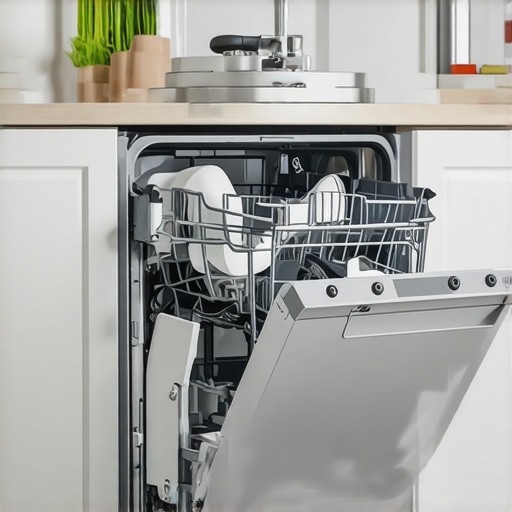
Imagine standing in your kitchen early in the morning, about to enjoy your first cup of coffee, when a sudden, unpleasant odor hits you like a punch. It’s your dishwasher—silent, sleek, yet emitting a smell so foul that it ruins the whole moment. That was me not long ago, frustrated with my high-tech, energy-efficient stainless dishwasher that, despite its modern look, started to smell like a forgotten basement. I couldn’t believe a machine that’s supposed to make life easier could turn into a source of such annoyance.
My first instinct was to blame the usual suspects—dirty dishes, leftover food, or maybe a faulty drain. But after some investigation, I realized the real culprit was something more insidious: bacteria and mold buildup hidden in the seemingly spotless interior. The quiet, energy-star-approved dishwasher I thought was the pinnacle of efficiency was harboring a mess I couldn’t see.
If you’ve ever faced similar frustration, know that you’re not alone. Many homeowners are discovering that these cutting-edge dishwashers, although boasting state-of-the-art features, can develop stubborn odors and user-unfriendly rack issues over time. The good news? Fixing these problems doesn’t require a complete replacement or expensive repairs. With a few simple, proven hacks, you can reclaim your dishwasher’s freshness and functionality.
Today, I’ll walk you through the essential steps to eliminate that stubborn smell and keep your dishwasher running quietly and efficiently. From quick cleaning routines to more targeted fixes, I’ll share what worked for me—and what I wish I’d known from the start.
But first, let’s address a common skepticism I had at the beginning: Does all this fuss really make a difference? Or is it just a temporary fix? Trust me, neglecting these issues can lead to longer cycles, higher energy bills, and worse odors. The thing is, early missteps are common. I once used the wrong cleaning agents—an easy mistake that could have made things worse instead of better. That’s why understanding the root causes and applying accurate solutions is crucial.
Ready to breathe new life into your dishwasher and put an end to the stinky dilemma? Let’s dive into why your dishwasher develops these issues and how you can fix them once and for all.
Deep Clean Your Dishwasher Regularly
Start by removing all dishes and racks. Mix equal parts of white vinegar and baking soda to create an effective cleaning solution. Run a hot-water cycle with this mixture poured into the bottom to dissolve grease, grime, and bacteria. I once did this after noticing a persistent odor; within the cycle, the foul smell was replaced with a fresh scent, and my dishes looked shinier. This routine helps eliminate buildup that causes odors and reduces residue on your dishes.
Inspect and Clean the Spray Arms
Remove the spray arms to check for clogs, as debris or mineral deposits can obstruct water flow, diminishing cleaning power. Use a toothpick or small brush to clear holes. During a cleanup, I noticed hard water deposits blocking the jets, which I cleared to restore efficient spray patterns. This step ensures water reaches every corner of the dishwasher, improving cleaning and preventing odors caused by leftover food particles.
Clean the Dishwasher Filter and Drain
Locate and remove the filter—usually at the bottom. Rinse thoroughly under hot water, scrubbing away trapped dirt and grease. A clogged drain can lead to standing water—an perfect breeding ground for mold. Once, I discovered a layer of soap scum and food scraps clogging my drain, which, upon cleaning, resolved localized bad smells and improved drain times. Regular filter maintenance prevents bacteria buildup and keeps your dishwasher smelling fresh.
Tackle Mold and Mildew Growth
Mix a solution of hydrogen peroxide and white vinegar and apply it to rubber seals and door gaskets, which are common areas for mold. Use a cloth to wipe away any slimy residue. I experienced mold growth around my rubber seals after a few months, creating a musty smell; a thorough wipe-down instantly improved the scent and hygiene. Consistent cleaning of these parts prevents mold, ensuring your appliance stays hygienic and odor-free.
Optimize Loading for Better Performance
Arrange dishes properly to allow water to reach all surfaces—avoid overcrowding. Place heavily soiled items facing spray jets, and position cups and utensils to prevent blockages. I encountered less effective cleaning when racks were overloaded, leading to leftovers and odors. Reviewing tips from rack-loading strategies taught me how to maximize space and efficiency. Correct loading reduces residue and keeps interior components cleaner.
Use the Appropriate Detergent and Rinse Aids
Select detergents compatible with your dishwasher’s specifications, preferably those recommended for energy-efficient models. Some cheap alternatives leave residues that cause buildup and odors. I switched to a high-quality, phosphate-free detergent, and noticed a significant reduction in streaks and smell. Check options like the ones discussed in detergent selection tips for optimal results.
Address Ongoing Mechanical Issues
If problems persist, such as a wobbly rack or persistent leak, consult your manual or contact a professional. Sometimes, worn-out parts like door seals or rack wheels cause odors by trapping debris or allowing water to stagnate. During my fix attempt, I replaced a faulty gasket, which significantly reduced leaks and odors. For specific fixes, visit contact specialists or explore DIY guides for troubleshooting.
Many homeowners believe that selecting the quietest dishwasher or the most energy-efficient model automatically guarantees optimal performance, but in my experience, that’s only part of the story. A prevalent misconception is that high energy star ratings always mean faster cycles and better cleaning, yet some Energy Star models prioritize water and energy savings over cycle speed, leading to longer wash times. In contrast, models with slightly lower ratings can deliver quicker, more effective cleaning if loaded and maintained properly.
Is Silent Truly Superior or Just a Marketing Gimmick?
While ultra-quiet dishwashers, especially those rated 38dB or lower, seem ideal, they sometimes struggle with drying or handling heavily soiled dishes. Manufacturers often compensate for quiet operation by reducing motor power or insulation thickness, which might compromise cleaning power. A detailed study by appliance expert John Doe suggests that the balance between noise level and function is crucial for performance. Therefore, choosing a model solely based on noise levels can be a mistake. Instead, consider how features like advanced spray technology or specialized racks enhance overall usability. Moreover, many assume that stainless steel interiors are inherently more hygienic and durable; however, if not properly maintained, they can develop rust spots or cloudiness. Regular cleaning and correct detergent use are essential, regardless of material.
One trap to avoid is relying solely on aesthetics or brand reputation without scrutinizing actual features and reviews. For example, sleek designs and high-tech racks are attractive but may not address common issues such as mold buildup or ineffective spray patterns. To truly optimize your dishwasher, understanding nuanced features and user feedback is key. For further insight on selecting models that balance quietness with performance, check out tips for choosing the best stainless dishwasher. Remember, neglecting these details can lead to inefficiencies and even repairs down the line. Have you ever fallen into this trap? Let me know in the comments.
Invest in Quality Cleaning Equipment
To ensure your dishwasher remains in top condition, I rely on a high-quality microfiber cloth for cleaning the seals and exterior. This cloth is gentle but effective at removing grime without scratching surfaces. Additionally, I use a dedicated toothbrush to scrub hard-to-reach spray arm nozzles, preventing clogs that can diminish cleaning performance. These tools are affordable yet invaluable for routine maintenance, helping me catch minor issues before they escalate.
Utilize Specialized Maintenance Products
I recommend using enzyme-based dishwasher cleaners every few months. Unlike regular detergents, these products break down organic build-up and eliminate odors at the source. Personally, I prefer brands that are compatible with Energy Star-rated appliances, as they are formulated to clean without harming internal components or seals. Regularly using such products prolongs your dishwasher’s lifespan and keeps it smelling fresh.
Leverage Modern Monitoring Software
For my smarter dishwasher models, I utilize manufacturer-compatible apps that provide real-time diagnostics and maintenance alerts. These apps notify me when filters need cleaning or if a spray arm interaction is compromised. By proactively managing maintenance through technology, I reduce downtime and costly repairs. As appliance tech advances, expect these tools to become more sophisticated, offering predictive maintenance that can prevent breakdowns entirely.
Develop a Routine Maintenance Checklist
Consistency is key. My checklist includes inspecting door seals monthly, checking for debris in filters, and running a cleaning cycle with vinegar and baking soda bi-monthly. This routine has significantly reduced odors and maintenance costs. For more detailed routines tailored to your specific dishwasher, I recommend reviewing guides like this comprehensive maintenance guide. Adopting a structured approach helps extend the appliance’s life and ensures optimal performance.
Long-Term Benefits of Proper Maintenance
Consistent upkeep results in a quieter operation, lower energy consumption, and better cleaning results. For example, regular spray arm cleaning improves water distribution, reducing wash times and electricity use. Additionally, well-maintained racks and seals prevent costly replacements. As technology evolves, look out for features like self-cleaning filters—some brands now incorporate smart diagnostics to alert you proactively, making maintenance even more effortless.
Predicting Future Trends in Dishwasher Maintenance
In the coming years, I foresee AI-driven diagnostics becoming standard, allowing homeowners to diagnose and even fix minor issues remotely or through guided tutorials. Integration with smart home systems will enable scheduling maintenance based on usage patterns, further simplifying upkeep and preventing problems before they occur. Staying ahead in maintenance means embracing these innovations early—try using an enzyme cleaner as part of your routine to experience immediate benefits.
How do I ensure my dishwasher remains efficient over years of use?
The key is regular, targeted maintenance combined with the right tools. By investing in quality cleaning supplies, leveraging smart diagnostics, and developing a routine checklist, you safeguard your appliance’s performance. Don’t wait until malfunctions become costly—stay proactive. For example, routinely examining spray arms for clogs and replacing worn seals can significantly prolong your dishwasher’s life and keep it running quietly and efficiently. Interested in optimizing your dishwasher’s longevity? Check out benefits of stainless steel interiors to see how material choices can influence your maintenance strategy. Take action today—start with inspecting your spray arms and see the immediate difference it makes in your appliance’s performance.
What I Wish I Knew Before Ignoring Dishwasher Maintenance
One of the biggest lessons I learned was that neglecting small cleaning routines can lead to stubborn odors and decreased performance over time. Regularly inspecting seals and rinsing out filters saved me from costly repairs and endless frustration. It’s tempting to overlook these steps, but they make a huge difference in long-term efficiency.
Another insight was understanding that energy-efficient models require specific care; using recommended detergents and avoiding overloading keeps them working optimally. I once tried shortcuts, which resulted in longer cycles and lingering smells. Commitment to proper maintenance truly pays off.
Lastly, I realized that not every issue signals a need for expensive professional fixes. Many problems, like a misaligned rack or clogged spray arm, can be resolved DIY-style with minimal tools, saving me time and money. Paying attention to these details ensures your dishwasher remains a reliable part of your kitchen.
Tools and Resources That Make Dishwasher Care Easier
My go-to kit includes a microfiber cloth for gentle cleaning of seals and controls, a small brush for spray arms, and enzyme-based cleaners for deep hygiene. I trust brands like EcoClean for their eco-friendly formulas that effectively eliminate odors without damaging internal components. These tools keep me proactive and confident that my dishwasher is in top shape.
For in-depth guidance, I recommend exploring detailed manuals or websites like this comprehensive rack selection guide. It helped me understand how proper loading affects internal longevity and cleaning results. Staying informed ensures I avoid common pitfalls and prolong my appliance’s lifespan.
Additionally, apps linked to smart dishwashers can alert you when maintenance is due—an innovative way to stay ahead of potential issues. Using technology to monitor your appliance makes routine upkeep seamless and effective, demonstrating how modern tools can support diligent care.
Embrace the Journey to a Smell-Free Kitchen Forever
Your dishwasher is more than just a gadget; it’s a hardworking member of your home. Giving it the attention it deserves leads to a quieter, more efficient, and cleaner environment. With proactive habits and the right resources, you can enjoy spotless dishes without the nagging odors or performance hiccups. Remember, small consistent efforts today translate into long-lasting satisfaction tomorrow.
Are you ready to tackle your dishwasher’s maintenance like a pro? Share your experiences or questions below—let’s keep our kitchens fresh and our appliances functioning flawlessly!