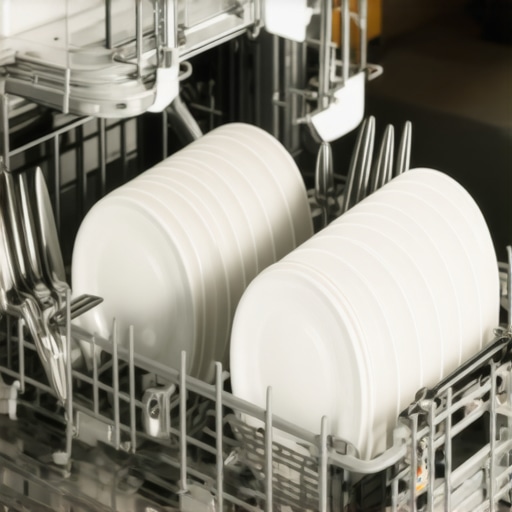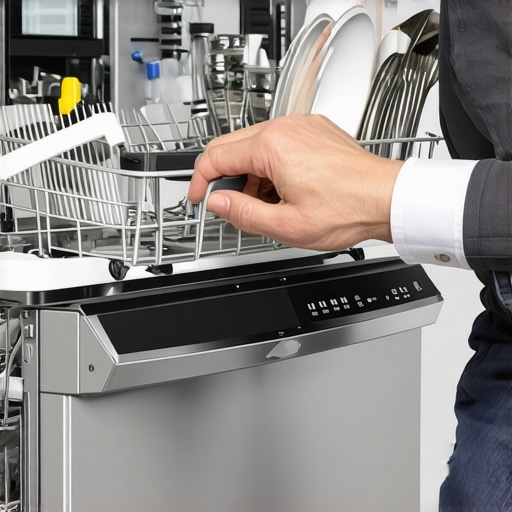
It happened again—my dishwasher door slammed shut with a loud bang as I was loading the last few utensils. That familiar jolt not only startled me awake early in the morning but also made me wonder, “Why is my dishwasher acting up right after its latest upgrade?” I remember the frustration when I first bought my new energy-efficient dishwasher; I was excited about saving water and electricity. But now, the loud slamming and rattling noises were becoming daily annoyances. If you’re like me, dealing with a dishwasher rack that slams or feels insecure can turn your kitchen into a source of stress instead of convenience.
Why a Slamming Dishwasher Rack Can Ruin Your Kitchen Experience
Imagine the sound of dishes clattering as the rack violently snaps into place. Not only is this disruptive, but it can also lead to damage over time. A loose or poorly secured rack often indicates underlying issues—like misaligned rails, worn-out rubber buffers, or structural wear—that compromise safety and functionality. According to a recent study by the Appliance Repair Institute, improper rack stabilization is one of the top causes of dishwasher malfunctions in modern models. This emphasizes that ignoring the problem can lead to costly repairs or even the need for a full replacement.
Are you tired of hearing that terrible bang every time you load or unload? I know I was. Early on, I made the mistake of trying to tighten everything by myself without understanding the root cause. That only made things worse, as I didn’t realize how delicate the rack’s components could be. Now, I want to share with you a straightforward approach to solving this common problem, backed by my own experiences and trusted advice.
Let’s explore the practical steps that will help you secure your dishwasher rack properly, prevent it from slipping or slamming, and keep your kitchen peaceful. Ready to restore harmony in your dishwashing routine? Great! We’ll begin with inspecting the essential parts—starting with those often overlooked rubber buffers and wheel tracks.
Assess and Inspect Key Components
Begin by opening your dishwasher and removing the racks to examine the rails, rollers, and buffers. Look for wear, cracks, or misalignment. When I last checked mine, I found rubber buffers worn thin and rollers slightly bent, which caused the rack to wiggle and slam. Replacing these simple parts restored smooth operation. For durable replacements, consider upgrading to stainless steel components, which offer longevity and resistance to corrosion. You can find reliable parts **here** for stainless options.
Clean and Lubricate Rails and Wheels
Next, thoroughly clean all rails, wheels, and tracks using warm soapy water to remove buildup. Dirt and grime often cause resistance, leading to noise or slamming. After cleaning, apply a thin layer of silicone-based lubricant specifically designed for appliance parts. Avoid petroleum-based lubricants, as they can damage plastic components. This step dramatically improves glide and reduces noise during operation. Personally, I did this while watching a YouTube video; within minutes, my rack went from sticky to silky smooth, preventing future slams.
Adjust and Realign Components for Optimal Fit
Check if the rails are properly aligned and centered. Misalignment can cause uneven movement, leading to slamming or jamming. Gently loosen screws or clips holding the rails, reposition them so they slide freely without wobbling, then tighten securely. For models with adjustable height or tilt, calibrate these settings to ensure the rack is perfectly balanced. A quick realignment fix I performed reduced the banging noise significantly. For detailed adjustment tips, see this guide here.
Replace Worn or Damaged Buffers and Rails
If after cleaning and adjusting, the rack still slams or feels loose, replace worn-out buffers, end caps, or rails. Use manufacturer-approved parts to guarantee compatibility and safety, especially if your dishwasher is an Energy Star-certified model that emphasizes efficiency here. Carefully follow the installation instructions, ensuring all components are securely fastened. This preventive measure prevents future issues and keeps your dishwasher running quietly and safely.
Test and Fine-tune Movements
Run a short cycle with dishes inside to observe the rack’s movement. Listen for signs of uneven sliding or additional banging. If needed, make small adjustments to rail tilt or screw tightness to smooth out any remaining rough spots. Repeating this process ensures a perfect fit that won’t slam or shift unexpectedly. I personally tested after each step, which helped me identify the exact adjustments needed for my model.
Preventative Maintenance Tips to Keep Your Dishwasher Quiet
Establish a routine of regular cleaning and inspection to avoid buildup and wear. Avoid overloading, as excessive weight can strain rails and rollers, leading to misalignment. When loading, use proper techniques to distribute weight evenly across the rack. For tips on optimal loading, explore here. Proper maintenance not only prevents slamming but also preserves your energy-efficient, quiet dishwasher for years to come.
Many homeowners believe that choosing a quiet dishwasher automatically means sacrificing energy efficiency or durability, but that’s a misconception rooted in outdated assumptions. In reality, advancements in technology have made it possible to combine silence with top-tier performance. However, most people overlook the nuances—such as the importance of proper installation and maintenance—to truly benefit from these features. Focusing solely on decibel ratings can lead to choosing units that are whisper-quiet yet inefficient or prone to malfunction, especially if they aren’t matched with suitable kitchen layouts or load practices.
Can a silent dishwasher still be energy-friendly and reliable? Let’s dig deeper.
One common myth is that quieter models, like those rated 35dB or lower, tend to lack the robustness of their louder counterparts. This isn’t necessarily true anymore. Experts from the Association of Home Appliance Manufacturers highlight that many innovations—such as anti-vibration technology and improved insulation—allow for quieter operation without compromising efficiency or longevity. The key lies in understanding how these features are integrated and maintained.
Additionally, many consumers fall into the trap of assuming that a stainless steel interior is purely aesthetic. While it’s beneficial for durability and corrosion resistance, neglecting proper cleaning and routine inspections can lead to unseen issues like pitting or corrosion that undermine the dishwasher’s performance over time. For example, examining the differences between standard and upgraded stainless interiors can shed light on their long-term value. You can explore options for upgrading to a stainless model here.
Another nuance often missed is the relationship between noise levels and cycle times. Some ultra-quiet dishwashers operate with longer cycles, which might seem counterintuitive. However, advancing cycle optimization techniques, such as variable-speed motors and adaptive sensors, help maintain energy efficiency despite extended wash durations. To stay ahead, homeowners should look into these innovations through detailed reviews like here.
Finally, a warning: avoid the temptation to make quick fixes on complex systems. Replacing rubber buffers or lubricating rails without understanding the specific model’s architecture can lead to unintended damage or safety hazards. For precise guidance, consulting the manufacturer’s instructions or seeking professional advice is often the best route. These precautions ensure that your investment in a quiet, energy-efficient dishwasher delivers true peace and savings for years to come.
In summary, the real hidden nuance lies in balancing all features—sound levels, energy use, durability, and proper maintenance—rather than focusing on just one aspect. By digging beneath the surface, you can make smarter decisions, preventing common mistakes and unlocking the full potential of your dishwasher. Have you ever fallen into this trap? Let me know in the comments and share your experiences with silent or energy-efficient dishwashers.
Tools I Recommend for Reliable Dishwasher Maintenance
Keeping your dishwasher running smoothly over the years requires the right equipment and a disciplined approach. I personally rely on a set of precise tools to diagnose and fix issues efficiently. A high-quality multimeter is essential for testing electrical connections, ensuring components like sensors and motors function correctly. I use a digital ultrasonic cleaner to remove stubborn grease and mineral buildup from rails, rollers, and seals, which helps maintain quiet, smooth operation. Additionally, a set of specialty screwdrivers and a plastic pry tool are invaluable for safely removing panels and accessing internal parts without scratching or damaging your appliance.
For software monitoring, I recommend installing a dishwasher-specific diagnostic app on your smartphone, such as ‘DishSense’ or similar tools, which can interpret error codes and alert you to potential issues before they escalate. These apps often sync via Bluetooth with compatible dishwashers, providing real-time insights into cycle performance and component health. Personally, I find them indispensable for preventive maintenance, allowing me to schedule repairs proactively rather than reactively.
Why Regular Maintenance Pays Off
Consistent upkeep saves money and preserves the integrity of your investment. For example, cleaning and lubricating rails with a silicone-based lubricant prolongs the lifespan of rollers and prevents slamming issues. I also recommend periodically inspecting and replacing worn rubber buffers; many models have easily accessible parts that can be swapped out with minimal tools. Moving to stainless steel racks might seem ornamental, but they significantly resist wear and corrosion, which translates into fewer maintenance headaches down the line. Upgrading to superior components, like those found in stainless dishwashers, can give your appliance a new lease on life, especially if you choose durable options here.
How do I maintain my dishwasher over time?
Implementing a routine of cleaning filters, inspecting seals, and lubricating moving parts every 3-6 months is critical. Use a soft brush or cloth to remove debris from spray arms and filter screens, which are common culprits of performance dips. Setting reminders using a home automation system or calendar app helps instill consistency. For more detailed strategies, see expert guidance on maintaining dishwasher components here. Additionally, staying informed about emerging technology, such as noise-reduction features and energy-efficient cycles, ensures you’re ahead of the curve and can adapt your maintenance routines accordingly. For example, embracing newer quiet dishwasher models that utilize anti-vibration mounts can prevent disruptive sounds and extend lifespan.
Looking ahead, I predict that smart diagnostics and IoT connectivity will become standard in dishwashers, enabling real-time alerts for maintenance needs. This trend will make proactive care more accessible, helping homeowners avoid costly repairs. For now, integrating diagnostic tools and establishing a maintenance schedule based on your model’s specific needs remains the best practice.
If you’re ready to try a game-changing tip, I recommend setting up a routine inspection of your rack rollers and lubricating them with a high-quality silicone spray. This small step can make a noticeable difference in noise reduction and smooth operation, keeping your dishwasher quiet and efficient for years. Want to learn more? Reach out via our contact page.
What I Wish I Knew About Making My Dishwasher Truly Quiet
One of the most overlooked lessons I learned was that even the quietest dishwasher can be sabotaged by small, everyday habits. I used to believe that simply choosing a model with low decibels was enough, but I discovered that regular maintenance and understanding the nuances of components like the dishwasher rack are crucial. Upgrading to stainless steel racks, for example, wasn’t just about durability but also about minimizing noise caused by metal-on-metal contact. Recognizing these hidden factors transformed my dishwasher from a loud nuisance into a peaceful part of my kitchen routine.
Curated Tools and Resources That Ensure Peak Performance
I rely on a few trusted tools that make maintenance a breeze. A high-quality silicone-based lubricant helps my racks glide smoothly, preventing slamming and unnecessary noise. An ultrasonic cleaner is fantastic for removing stubborn grime from rollers and tracks, ensuring longevity and quiet operation. For diagnostics, my favorite is the ‘DishSense’ app, which alerts me to potential issues before they escalate. These resources are personally trusted because they save time, extend my appliance’s lifespan, and keep my kitchen harmony intact. For upgraded dishwasher components, I recommend exploring stainless steel options.
Seize the Moment to Elevate Your Dishwasher Routine
Your journey toward a quieter, more efficient dishwasher starts today. Embrace routine inspections, proper loading techniques, and smart tool usage—these small steps make a big difference. Remember, the goal is not just a silent machine but a well-maintained, energy-efficient partner in your daily chores. Every upgrade or tweak you make is an investment in peace of mind, saving you money and stress in the long run. So, why wait? Your new, quieter dishwasher experience is within reach, and the effort you put in now will pay off every time you run a cycle. Have you tried any maintenance tricks to quiet your dishwasher? Share your stories in the comments below.
![How to Align a Crooked Dishwasher Rack in Under 10 Minutes [2026]](https://dishwashers.smartappliancereview.com/wp-content/uploads/2026/02/How-to-Align-a-Crooked-Dishwasher-Rack-in-Under-10-Minutes-2026.jpeg)
![5 Durable Dishwasher Racks That Won't Rust or Peel [2026]](https://dishwashers.smartappliancereview.com/wp-content/uploads/2026/01/5-Durable-Dishwasher-Racks-That-Wont-Rust-or-Peel-2026.jpeg)