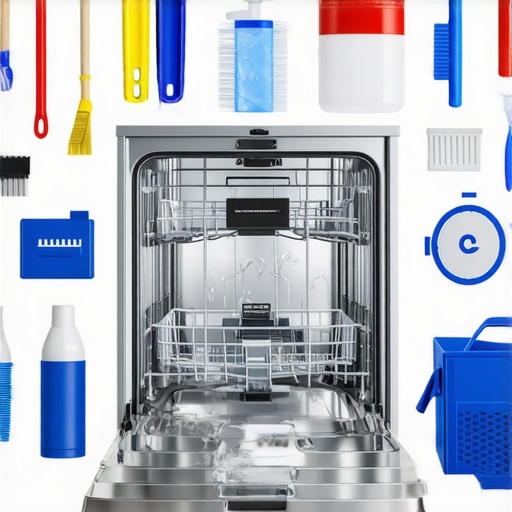
It was a typical Saturday morning when I opened my kitchen to find water pooling at the bottom of my sleek, stainless steel Energy Star dishwasher. My heart sank. The rinse cycle had just finished, yet the water refused to drain out. I remember feeling frustrated, thinking about all the times I had championed the benefits of energy-efficient appliances for busy households. But here I was, battling my own dishwasher’s stubborn refusal to do its job. That lightbulb moment made me realize just how crucial it is to understand the common issues that plague even the most advanced models.
Why Stubborn Dishwasher Drainage Can Turn into a Household Nightmare
Dishwashers, especially energy-efficient ones, are designed to make our lives easier. But when they malfunction—like refusing to drain—it’s more than just an inconvenience. Standing water can lead to bad odors, mold growth, and even water damage if left unaddressed. I discovered early on that ignoring this issue only complicates repairs and might void your warranty. Plus, with models boasting features like quiet operation and high-tech racks, a drainage problem can diminish their otherwise stellar performance. Understanding what causes these hiccups empowers homeowners to troubleshoot before calling in a repair service.
Is it really worth fussing over dishwasher drainage issues?
I used to think that a quick wipe and a rinse cycle reset would do the trick. Turns out, my mistake was neglecting to check the simple, often overlooked causes. A common mistake I made was assuming that all blockages are obvious, leading me to ignore the importance of regular maintenance and inspection. According to appliance repair experts, many drainage problems stem from minor clogs or worn-out filters that can be fixed with a few quick steps. So, if you’re nodding along, questioning whether your issue is serious enough to fix yourself, remember: most drainage troubles are quite manageable with basic troubleshooting. If you’re curious about how to improve your dishwasher’s efficiency and longevity, check out benefits of [stainless steel dishwashers](https://dishwashers.smartappliancereview.com/benefits-of-stainless-steel-dishwashers-for-busy-households) for busy families and why they might be worth the investment.
Now that I’ve shared my experience and shed light on the importance of addressing drainage issues promptly, let’s dive into some practical fixes that can save you time, money, and frustration. Ready to get your dishwasher back to peak performance? Keep reading for tried-and-true solutions that I’ve personally tested and recommend.
,
Remove and Inspect the Filter
Pull out the dishwasher’s filter, which often resembles a small circular or rectangular mesh screen at the bottom of the tub. I once lifted a filter that was totally clogged with greasy debris, causing water to back up. Remove it carefully and rinse under hot water. Use a soft brush to scrub away any stubborn gunk. Reinstall and test if water drains properly now.
Check the Drain Hose for Blockages
Locate the drain hose behind your dishwasher; it connects to the sink drain or garbage disposal. Detach it carefully, avoiding spills, and inspect for kinks or clogs. Flush it with warm water or use a long brush to clear residues. Remember, a twisted hose can mimic a clog, so straighten it to ensure smooth flow.
Clear the Air Gap
If your setup has an air gap (a small cylindrical fixture in the sink), remove its cover and clean out any trapped debris. I found a blocked air gap prevented drainage even after cleaning the filters. Use a toothpick or pipe cleaner to scrub the opening thoroughly. This simple step often resolves stubborn backup issues.
Test the Drain Pump
The drain pump is the engine behind water removal. To test it, listen during the drain cycle for any humming or grinding sounds—indications of a malfunctioning pump. If silent or noisy, you might need to replace it or call a professional. In my case, replacing a worn-out pump resolved my drainage woes entirely and restored efficiency.
Verify the Cycle and Reset the System
Sometimes, a simple reset can clear an electronic glitch. Turn off the dishwasher, unplug it for 5 minutes, then plug it back in and run a short cycle. I did this after clearing the filters and noticed water drained normally afterward, saving me a costly service call.
Regular Maintenance to Prevent Future Issues
Make a habit of cleaning filters monthly and inspecting hoses. Using a natural descaler periodically prevents mineral buildup, especially if you have hard water. Proper upkeep prolongs your dishwasher’s lifespan and maintains optimal drainage. For added durability and style, consider upgrading to a [stainless steel dishwasher](https://dishwashers.smartappliancereview.com/upgrade-to-a-stainless-dishwasher-durability-meets-elegance), which resists staining and corrosion.
Know When to Seek Professional Help
If these steps don’t resolve the problem, or if you notice persistent unusual noises or leaks, it’s time to contact a professional. A certified technician can diagnose complex issues like faulty wiring or pump failures. Timely service prevents water damage and keeps your kitchen running smoothly, especially if you own a high-performance [Energy Star](https://dishwashers.smartappliancereview.com/energy-star-dishwashers-that-slash-your-monthly-bills) rated model that’s designed for efficiency and quiet operation.
While many believe that selecting the quietest dishwasher guarantees optimal performance, the truth is more nuanced.
For instance, some consumers assume that a higher energy star rating always correlates with better cleaning power, but this isn’t necessarily the case. Energy efficiency often focuses on power consumption and water use, not cleaning efficacy. According to a study by the U.S. Department of Energy, many high-efficiency models still excel at delivering spotless dishes when properly maintained, but the key lies in understanding specific features rather than relying solely on labels.
Another common misconception revolves around dishwasher racks. Many think that sturdy, heavy-duty racks are always the best choice. However, overly rigid racks can damage delicate cookware or scratch fine glassware. Instead, models with adjustable, cushioned racks provide versatility and protect your dishes. Learn more about optimizing your dishwasher rack usage here.
What Advanced Features Should Power Users Consider Beyond the Basics?
For the tech-savvy homeowner, a hidden nuance is the significance of cycle sensors and innovative spray arms. Sensor-based cycles detect soil levels and adjust water quality and temperature in real time, ensuring efficient cleaning without waste. Meanwhile, high-end models may features like multi-directional spray arms, which improve coverage and stain removal. These advanced details often go unnoticed but can greatly impact performance, especially on heavily soiled loads.
It’s also worth noting that the aesthetic materials of your dishwasher matter; stainless steel interiors resist stains and rust better over time, maintaining efficiency and appearance. Check out benefits of upgrade to stainless steel here.
In sum, mastering your dishwasher’s full potential involves understanding these nuanced features and avoiding common pitfalls. Don’t fall into the trap of relying solely on superficial ratings. Instead, evaluate each feature’s impact on your specific needs. Have you ever fallen into this trap? Let me know in the comments!
How do I maintain my dishwasher over time?
To keep your dishwasher performing optimally, investing in the right tools is crucial. I personally swear by a high-quality, long-handled brush like the OXO Good Grips Garage & Workshop Brush, which makes reaching into tight spots and cleaning spray arms a breeze. Additionally, a set of microfiber cloths helps me wipe down external surfaces and seals, preventing mold and odors. For deeper maintenance, I use a vinegar and baking soda cleaning method monthly, which is simple yet effective in removing mineral buildup and odors, especially if you have hard water. These routines not only extend your appliance’s lifespan but also ensure energy-efficient operation, aligning well with the latest trends in appliance care.
Looking ahead, I predict that smart diagnostic tools embedded in future dishwashers will simplify maintenance further, providing real-time alerts for component issues before failures happen. This proactive approach could revolutionize how we care for appliances, making home maintenance more efficient and less stressful.
Tools I recommend for long-term dishwasher upkeep
For routine checks, I recommend keeping a smartphone-compatible inspection camera, like the Bluefire Inspection Camera. It allows me to peek behind panels or inspect hidden components without disassembly, saving time and reducing the risk of accidental damage. When it comes to filtering, I prefer a flexible, stainless steel scrub brush with dense bristles—this makes it easy to remove stubborn debris from filters and racks without scratching the surfaces. Upgrading to a dishwasher with resilient, stainless steel racks, as discussed in our benefits of stainless steel, ensures durability against rust and deformation, saving you money in replacements.
Regularly using appliance-specific descaling solutions, like the Affresh DishwasherCleaner, helps prevent mineral buildup that can impair spray arms and pumps, maintaining peak cleaning power over years of use. For troubleshooting, I keep a multimeter handy to test electrical components—a tip recommended by appliance repair experts such as Appliance Repair Experts. This allows me to diagnose issues like faulty sensors or wiring problems quickly, often avoiding costly service calls.
To prepare your dishwasher for long-term performance, set a maintenance schedule that includes removing and cleaning filters monthly, inspecting hoses for cracks or kinks, and running a cleaning cycle with vinegar every 4-6 weeks. Matching these habits with the use of quality tools ensures your dishwasher remains quiet, efficient, and reliable for years to come. For a comprehensive guide on choosing the right racks and accessories, check out our ultimate guide.
Don’t forget—if you notice persistent issues despite these efforts, consulting a professional is the best step. Timely repairs can prevent larger problems that might compromise your appliance’s performance. Consider booking a service with a certified technician via our contact page.
Start incorporating one or two of these tools and routines today, and enjoy a dishwasher that remains as effective as the day you bought it. Remember, proactive maintenance isn’t just about fixing problems—it’s about ensuring your appliance continues to serve your household efficiently and quietly for years to come. This approach aligns with trends towards smart home integration, where appliances communicate their needs before issues escalate.
What No One Tells You About Dishwasher Drainage Lessons
- I used to think draining issues were always complex, but often, they turned out to be simple clogs or filter problems I could fix myself, saving time and money.
- Cleaning the filter regularly was a game-changer; once, a quick rinse fixed my persistent backing-up problem, proving that maintenance is key to longevity.
- My biggest lightbulb moment was realizing that the drainage pump isn’t just a black box—listening for unusual sounds helped me diagnose issues early and avoid costly repairs.
- Properly inspecting hoses and air gaps revealed hidden blockages that, once cleared, restored my dishwasher’s performance without professional help.
- Resetting the system after maintenance sessions often cleared electronic glitches, reminding me that sometimes, the simplest fix is just a reset.
Unmissable Tools That Transformed My Dishwasher Care Routine
- My inspection camera allows me to peek behind panels and spot issues before they escalate—preventing surprises and keeping repairs straightforward.
- A high-quality long-handled brush keeps spray arms and filters spotless, ensuring maximum water flow and cleaning power.
- Natural descaling solutions, like vinegar and baking soda, are my go-to for mineral buildup, helping maintain peak efficiency—especially in hard water areas.
- Having a multimeter on hand (recommended by professionals) means I can quickly verify electrical issues without waiting for a technician.
Why Taking Action Today Forges a Long-Lasting Dishwasher Relationship
Your dishwasher isn’t just an appliance; it’s a trusted kitchen partner. By applying these insider lessons and tools, you’re investing in a future where the dishwasher quietly and efficiently handles your daily dish duties. Embrace proactive maintenance, and you’ll enjoy cleaner dishes, quieter operation, and fewer surprises. Start today and witness the difference it makes in your home’s harmony. Ready to make your dishwasher happier? Share your experiences below, and let’s grow together in appliance mastery!



Reading through this detailed troubleshooting guide really highlights how important regular maintenance is for energy-efficient dishwashers. I remember a time when I ignored a small drainage issue, thinking it was nothing serious, only to find my kitchen filled with a foul smell a few days later. Since then, I make it a point to clean the filters and inspect hoses monthly. What I find interesting is how simple steps like resetting the system can sometimes resolve electronic glitches without professional help. Have others experienced issues that seemed complex but turned out to be straightforward fixes? It’s encouraging to see such thorough solutions shared here. I’d also add that using natural descalers like vinegar helps keep mineral buildup at bay, especially in hard water areas. Keeps my dishwasher running smoothly and prolongs its lifespan. Does anyone have favorite tools or quick tips for diagnosing electrical issues early, aside from listening for unusual sounds? Sharing these practical insights can save us all time and money.