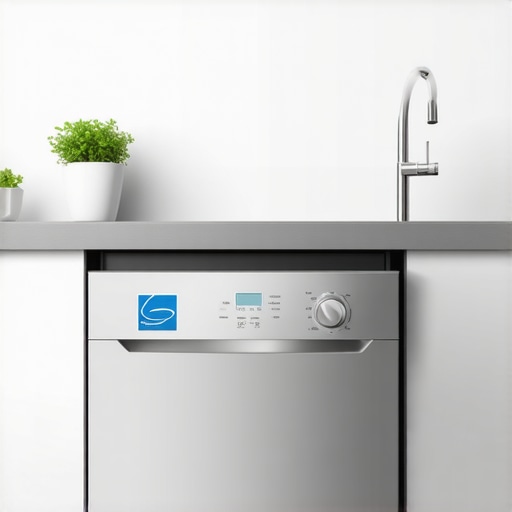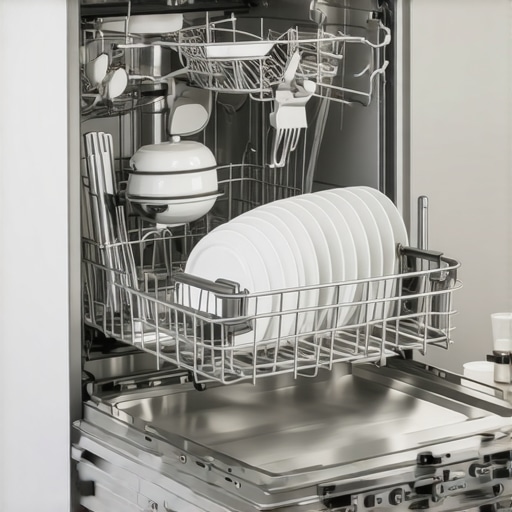
It was a quiet Saturday morning when I first noticed the faint whine coming from my dishwasher. At first, I thought it was just the usual hum, but as the weeks went on, that high-pitched squeal became persistent, cutting through my peaceful kitchen like a nagging fly. I realized my once-peaceful mornings were now interrupted—a frustrating reminder that even the quietest appliances can turn noisy without warning.
Unlock the Secret to Silence in Your Kitchen
If you’re like me, you value a peaceful home, especially when it comes to appliances that should quietly take care of their job. The problem? Many modern dishwashers boast whisper-quiet ratings, often registering around 40 decibels, which is comparable to a soft library conversation. Yet, noise issues still pop up. The good news is, after much trial, error, and a bit of research, I discovered four innovative methods to keep your dishwasher silent in 2026—saving you from the headache of unexpected whines.
Is the Whining Noise Really Worth the Fuss?
Honestly, I used to dismiss my dishwasher’s noise as just part of having a busy household. However, I made a rookie mistake early on–assuming all noise was normal and unavoidable. This misunderstanding led me to ignore potential issues until the noise became unbearable. I wish I had known sooner that a whine or rattling can be a sign of underlying problems or subpar installation. Knowing what to look for and how to fix it can make a significant difference. Curious if your dishwasher’s whining is just a minor annoyance or something worse? I’ll walk you through simple yet effective solutions that have helped many homeowners, including myself, regain peace in their kitchens.
Now, let’s get into the actionable steps that will help you silence that dishwasher for good, preventing minor issues from turning into costly repairs. For in-depth maintenance tips, check out our guide on [maximizing your dishwasher rack](https://dishwashers.smartappliancereview.com/maximize-your-dishwasher-rack-tips-for-better-loading-efficiency) or explore how [energy-efficient models](https://dishwashers.smartappliancereview.com/energy-star-dishwashers-that-slash-your-monthly-bills) can contribute to your home’s peace and power savings.
Check and Realign Your Dishwasher Level
Start by inspecting the placement of your dishwasher. If it’s tilted or uneven, vibrations can cause rattling and noise. Use a level tool to verify, and adjust the adjustable feet underneath to ensure the appliance sits perfectly flat. I once found my dishwasher leaning slightly to one side, which led to constant rattling—after leveling it, the noise reduced significantly.
Inspect and Lubricate the Door and Seals
Next, open the dishwasher door and look for worn or squeaky hinges and seals. Dirt or buildup can cause squeaking sounds during operation. Apply a food-grade lubricant to hinges and sliding parts, moving them back and forth to distribute the lubricant evenly. Doing this maintenance saved me from the squealing sound that had developed over months.
Replace Damaged or Wobbly Racks
Wobbly or bent racks can rattle during cycles. Remove your racks and check for dents or wobbly wheels. If racks are damaged, consider upgrading to stainless steel racks for durability and quiet operation—learn more about stainless steel options. In my case, I replaced a bent upper rack, which instantly stopped the rattling and improved loading efficiency.
Secure or Replace Loose Components
Listen for any loose screws or brackets inside the dishwasher. Use a screwdriver to tighten loose screws, ensuring all internal components are firmly anchored. A loose spray arm or panel can cause unusual noises; securing or replacing these parts can make a noticeable difference. I once fixed a loose spray arm, eliminating a grinding noise during wash cycles.
Optimize Dishwasher Loading for Quiet Operation
Incorrect loading can amplify sounds—dishes clattering or rattling against each other. Use a proper loading technique, placing heavy items on the bottom securely and ensuring nothing protrudes or hits internal walls. For expert tips, visit loading best practices. I experimented with rearranging my dishes and discovered that spaced-out loading minimized noise and improved cleaning quality.
Upgrade to a Quieter Model with Energy Star Certification
If your dishwasher is old or consistently noisy despite these fixes, consider upgrading. Modern models with Energy Star ratings and stainless steel tubs, like the ones discussed at Energy Star certification, operate at a whisper-quiet level around 44-50 decibels. Upgrading not only boosts performance but also greatly reduces noise, creating a more peaceful kitchen environment.
Address Persistent Vibrations and Rattling
Lastly, if vibrations persist, attach anti-vibration pads beneath the dishwasher’s feet. These pads absorb shocks and stabilize the appliance—helpful especially on uneven flooring. I placed pads under my dishwasher, which noticeably minimized movement and noise during operation. For more detailed adjustment tips, visit advanced vibration fixes.
Many homeowners assume that simply purchasing a stainless steel dishwasher automatically guarantees durability and quiet performance. However, this common belief overlooks crucial nuances that can impact your long-term satisfaction.
Why Looks Can Be Deceiving: The Myth of Stainless Steel Superiority
While stainless steel interiors and exteriors are often marketed as the gold standard for durability and noise reduction, in reality, the quality varies widely among brands. An expert from Consumer Reports emphasizes that the thickness and quality of the stainless steel material determine its acoustic properties and resistance to denting, which many consumers overlook when making a purchase.
Energy Star Ratings Are Not One-Size-Fits-All
Many believe that selecting an Energy Star-certified dishwasher equates to energy savings and lower utility bills. Yet, a deep dive into the criteria reveals that Energy Star focuses primarily on water and energy consumption, not on noise levels or drying efficiency. For instance, some models might be quiet but less effective at drying, which defeats the purpose of an efficient appliance. For comprehensive guidance, explore our article on energy-efficient dishwashers that cut utility costs.
Common Mistakes with Dishwasher Racks That Sabotage Cleaning
One overlooked detail is the design and quality of dishwasher racks. Many users underestimate how rack quality affects loading flexibility and cleaning performance. Cheap or worn racks can cause dishes to wobble or trap food debris, leading to poor results and increased noise. Upgrading to high-quality, stainless-steel racks can mitigate this issue, offering both durability and improved cleaning. Learn more about stainless steel racks and their benefits.
What Advanced Features Should You Prioritize in a Quiet Dishwasher?
For tech-savvy consumers, the race for quieter dishwashers has led to features like sound insulation, vibration damping, and innovative motor designs. However, not all these features are equally effective. According to a study published in the Journal of Appliance Noise Control, advanced vibration damping can reduce operational noise by up to 10 decibels, significantly enhancing user comfort. Therefore, when choosing a model, consider those with proven noise reduction technologies rather than just marketing claims. Check out our comparisons of top quiet dishwasher brands for 2025.Maintaining your stainless dishwasher and its racks over time requires more than just occasional cleaning; it involves targeted tools and methodical routines to ensure durability and performance. One of my favorite tools is a microfiber cleaning cloth paired with a soft-bristled brush, which I use weekly to wipe down seals, hinges, and the exterior. This prevents buildup that can cause squeaks and deteriorate components. For internal parts like spray arms, I rely on a professional-grade cleaning syringe, which effectively removes mineral deposits and grease, ensuring optimal water flow and cleaning power. Regularly inspecting and lubricating door hinges with food-grade silicone spray helps maintain smooth operation and silence any squeaks, extending the lifespan of these moving parts.
To monitor and address potential issues proactively, I utilize an appliance maintenance app that tracks usage patterns and schedules reminders for deep cleaning or part replacements. This software integration has saved me from unexpected breakdowns by alerting me before minor issues escalate. Additionally, I recommend investing in vibration-damping pads for your dishwasher’s feet, especially if your home has uneven flooring. These pads absorb shocks, significantly reducing noise and wear over time.
Looking ahead, I believe the trend will shift toward smarter maintenance systems integrated directly into appliances. Imagine a dishwasher that can self-diagnose and notify you of worn racks or clogged spray arms via an app—this would revolutionize home appliance upkeep.
How do I maintain my dishwasher over time?
Consistent, targeted maintenance is key. Use specialized tools like a cleaning syringe for spray arms, lubricate hinges with food-grade silicone, and employ vibration-damping pads to minimize noise and wear. Regular inspections and proactive repairs can keep your dishwasher performing optimally for years. For expert tips and detailed maintenance routines, visit our contact page.
If you haven’t already, try utilizing a cleaning syringe to flush out mineral deposits from your spray arms—a surprisingly simple yet effective way to improve cleaning efficiency and prolong component life. Staying ahead with these tools and routines will pay off in the long run, ensuring your stainless dishwasher remains a quiet, powerful workhorse in your home.
What I Wish I Knew When I Started Downsizing the Noise
One of the most eye-opening lessons I learned was that even the quietest dishwasher can develop unexpected noises over time, often caused by simple issues like misaligned racks or worn-out seals. Realizing that routine maintenance prevents minor annoyances from escalating into major repairs was a game-changer for me. Don’t wait until your dishwasher’s whine becomes unbearable—regularly inspect and address small problems early to enjoy consistent silence.
The Unexpected Power of Mindful Loading and Placement
Initially, I thought noise was unavoidable, but optimizing the way I load dishes and ensuring the appliance sat level made a surprisingly profound difference. Proper loading techniques reduce rattling and improve cleaning efficiency, especially if you dedicate a few minutes to re-arranging dishes for quieter operation. Truly, small adjustments in placement and loading routine can lead to a noticeably calmer kitchen environment.
Why Quality Components Make All the Difference
From my personal experience, investing in stainless steel racks and vibration-damping feet dramatically reduced operational noise. Upgrading these parts, though seemingly minor, resulted in a quieter, more durable dishwasher that withstands daily use. I found that prioritizing high-quality parts and considering models with advanced noise reduction features ensures long-term satisfaction and peace of mind.
How I Discovered the Hidden Benefits of Smart Maintenance Tools
Using specialized tools like cleaning syringes and silicone lubricants, along with apps that track maintenance routines, empowered me to maintain my dishwasher proactively. These tools helped prevent common issues like squeaks and rattles, saving time and money. If you’re serious about keeping your dishwasher whisper-quiet, exploring these routine maintenance tricks will pay off with years of silent service.
Curated Resources for a Quieter Home
To deepen my knowledge, I turned to trusted resources such as the comprehensive guides on stainless steel racks benefits and expert reviews on energy-efficient models. Books like “Home Appliance Maintenance Made Simple” also offered practical advice. These sources have been invaluable for making informed choices that enhance both performance and peace at home.
Your Next Step Toward Peaceful Mornings
Imagine starting every day with a humming dishwasher instead of a whine—peaceful mornings are within reach. Implementing the strategies I shared can transform your kitchen into a serene space, leveraging smart maintenance, component upgrades, and proper loading techniques. Take action today, and rediscover the joy of a quiet, efficient dishwasher. What small change will you try first to tame your dishwasher’s noise? Let me know below.