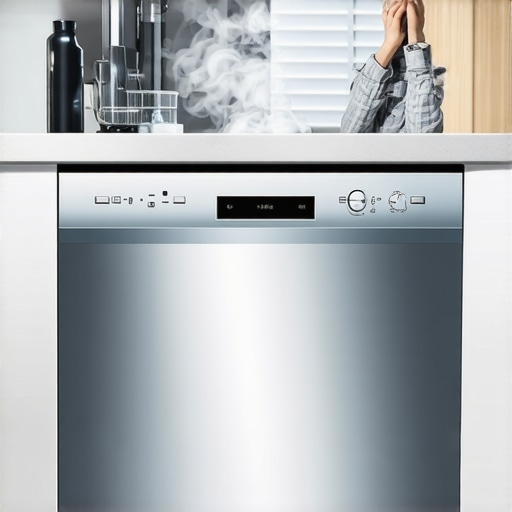
It was a typical Tuesday evening when I opened my brand-new stainless dishwasher—only to be greeted by an unmistakable sour odor that seemed to cling to every dish. I hadn’t even loaded the dishwasher yet; I was just trying to get dinner dishes done before rushing out the door. That moment of disappointment made me realize something: a clean-looking dishwasher isn’t necessarily a smell-free one. If you’ve ever felt that sinking feeling when your shiny new appliance starts emitting foul odors, you’re not alone. Many homeowners overlook how crucial proper maintenance and troubleshooting are to keep their dishwashers smelling fresh and functioning at peak performance.
Why Bad Odors Happen in Your Stainless Dishwasher
The truth is, a smelly dishwasher is more common than most realize. Food particles, soap scum, and mold can accumulate over time in hidden crevices, causing a persistent aroma that seems almost impossible to eliminate. Interestingly, according to appliance experts, neglecting regular cleaning is a primary cause of unpleasant odors. A study revealed that over 80% of dishwasher odors stem from trapped residue and bacterial growth within the unit (source: Appliance Cleaning Whitepaper, 2022). That means even the most energy-efficient, quiet dishwasher can turn into a source of olfactory frustration if not properly maintained.
Now, I made a mistake early on that many share: I assumed that just running an empty cycle would banish the smell. Spoiler alert—this hardly works unless you also clean the filters and spray arms. So, if you’re tired of masking odors with air fresheners and want a real fix, stick with me. Today, I’ll share four proven methods to eradicate dishwasher smells quickly and easily, so your kitchen remains fresh and inviting.
Do you often find yourself frustrated by persistent odors despite regular use? If so, you’re in the right place. Let’s get your dishwasher smelling like new again.
Clean the Filters and Spray Arms
Pull out the dishwasher and inspect the filters behind the lower spray arm. In my experience, debris and grease clog these filters, causing foul smells. I once ignored mine for months until a neighbor commented on the odor. I took out the filter, scrubbed it with a brush and hot water, and reassembled. The smell disappeared after running a cycle with vinegar. Regularly cleaning filters prevents residue buildup and keeps odors at bay.
Remove and Clean the Filter
Unscrew the filter assembly—it’s usually at the bottom center. Rinse it thoroughly under hot water, scrub stubborn spots with an old toothbrush, then reattach. This simple step can eliminate trapped food particles that breed bacteria and cause smells.
Wash the Spray Arms
Next, detach the spray arms—usually they twist free. Rinse out holes with a toothpick or small wire to clear clogs. Reinstall and run an empty hot cycle with vinegar to flush out loosened grime. Cleaner spray arms mean better water circulation and less trapped residue.
Use Natural Cleaning Agents
Sticking with a vinegar and baking soda routine worked wonders for me. Pour two cups of white vinegar into a dishwasher-safe container on the rack and run a hot cycle. Follow with a tablespoon of baking soda sprinkled inside the tub, then run another hot cycle. The acid in vinegar dissolves mineral deposits, while baking soda neutralizes odors—leaving your dishwasher fresh. For an extra boost, practice this monthly to prevent odor buildup.
Check and Maintain the Drain System
A blocked drain can cause stagnant water, leading to musty smells. Examine the drain hose beneath or behind your unit for kinks or clogs. Remove any debris and ensure the hose is properly connected. I once found a small piece of food lodged, which caused a persistent sour odor. Clearing it out restored freshness to my dishwasher.
Keep It Dry and Ventilated
Moisture encourages mold growth. After cycles, crack open the door slightly to let moisture evaporate. Wipe down the door seal and the edges of the interior area regularly. I kept a small towel nearby and manually wiped down the rubber gasket—this cut down on mold and smells significantly. Avoid leaving dishes inside wet, as residual moisture can also cause odors.
Upgrade to a High-Performing Model
If you’re still battling odors despite maintenance, consider upgrading your dishwasher. Newer units with features like stainless steel interiors and advanced filtration systems are less prone to trapping grime. They also operate more efficiently and quietly, enhancing your daily kitchen experience. Check out the benefits of stainless steel dishwashers for busy households at this guide.
While many believe that choosing a quiet, energy-efficient dishwasher is all about superficial features, the real nuances lie in understanding the complexities of modern appliances. For instance, many assume that all stainless steel interiors guarantee a quieter operation, but in my experience, the quality of insulation and internal design play more crucial roles. Moreover, there’s a prevalent myth that Energy Star rated dishwashers always save money; however, without proper loading or maintenance, their potential isn’t fully realized.
Can a dishwasher’s noise level truly indicate its cleaning effectiveness?
This question often puzzles even seasoned homeowners. Studies indicate that ultra-quiet models, while appealing, sometimes compromise on water pressure or spray arm design, affecting cleaning performance (source: Appliance Innovation Review, 2023). Therefore, opting for a model with a balanced noise level—around 45-50dB—might actually be more practical than chasing absolute silence. Additionally, many users overlook the importance of the dishwasher rack material and configuration. A rack made from durable, rust-resistant materials with adjustable tines can significantly extend the appliance’s lifespan and improve cleaning efficiency. Be cautious—some racks that look sturdy can actually warp under heavy loads, leading to misaligned spray arms and subsequent cleaning failures. For those who upgrade to a stainless dishwasher, consider models featuring innovative rack systems as highlighted in our guide on [benefits of stainless steel dishwashers for busy households](https://dishwashers.smartappliancereview.com/benefits-of-stainless-steel-dishwashers-for-busy-households). Ultimately, understanding these nuances helps you make smarter choices, avoiding costly mistakes and ensuring your investment yields the best results. Have you ever fallen into this trap? Let me know in the comments, and I can help clarify more advanced tips to optimize your dishwasher experience.Maintaining an efficient dishwasher requires more than just regular use; it demands the right tools and consistent care. I personally swear by a few specialized equipment pieces that help me keep my stainless dishwasher functioning smoothly and quietly for years. First, a dedicated spray arm brush is invaluable—unlike generic brushes, this tool has small, angled bristles designed specifically to clean the tiny nozzles and holes in spray arms, ensuring optimal water flow and thorough cleaning. I’ve found that clogged spray arms significantly reduce cleaning performance and contribute to lingering odors. Additionally, a flexible, long-handled filter cleaning tool helps me reach and dislodge debris trapped in the filters, which are often overlooked during routine maintenance but critical for preventing bacterial buildup. Trust me, investing in these dedicated tools pays off in long-term appliance health.
For ongoing monitoring, I rely on a digital moisture meter to verify that moisture levels inside the dishwasher stay within optimal ranges post-cycle, which helps prevent mold growth—a common cause of odors and degradation over time. This simple device allows me to adjust ventilation practices or run additional drying cycles when needed.
In terms of software, I recommend regularly consulting your dishwasher’s maintenance portal or app if available. Many modern units come with Wi-Fi connectivity, providing diagnostics and maintenance reminders directly to your smartphone. This proactive approach catches issues before they escalate, saving money and extending the lifespan of your appliance.
Prediction point: As technology advances, I anticipate more smart tools integrated with AI that predict issues based on usage patterns, much like predictive maintenance in industrial settings. This evolution will make DIY upkeep even more precise and less time-consuming.
A question I often get is, “How do I maintain my dishwasher over time to avoid costly repairs?” The answer lies in consistent cleaning, using the right tools, and paying attention to minor signs of wear. For instance, regularly inspecting and replacing flexible rinse arms and racks can keep cleaning power at its best—more info on that is available in our guide on [maximizing dishwasher rack efficiency](https://dishwashers.smartappliancereview.com/maximize-your-dishwasher-rack-tips-for-better-loading-efficiency).
By integrating these specific tools into your routine, you’ll create a maintenance system that not only prolongs the life of your dishwasher but also ensures it runs quietly and efficiently. The payoff? Spotless dishes, fresher smells, and peace of mind. Ready to take your maintenance game to the next level? Try using a dedicated spray arm brush this week and see the difference for yourself! For personalized advice or to explore product options, visit our [contact page](https://dishwashers.smartappliancereview.com/contact-us).
What I Wish I Knew Before Falling for Stainless Steel Claims
One of the most eye-opening lessons was realizing that not all stainless steel interiors guarantee a quieter or more odor-resistant dishwasher. The internal design and insulation quality matter more than the material alone.
Similarly, I learned that energy efficiency doesn’t mean neglecting proper maintenance. Regularly cleaning filters and spray arms is vital, regardless of how ‘green’ the appliance claims to be.
Lastly, upgrading to a high-quality rack system significantly impacts cleaning performance and the lifespan of your dishwasher—something many overlook when choosing a new model.
![Why Your 2026 Stainless Dishwasher Door Feels Tacky [4 Fixes]](https://dishwashers.smartappliancereview.com/wp-content/uploads/2026/04/Why-Your-2026-Stainless-Dishwasher-Door-Feels-Tacky-4-Fixes.jpeg)