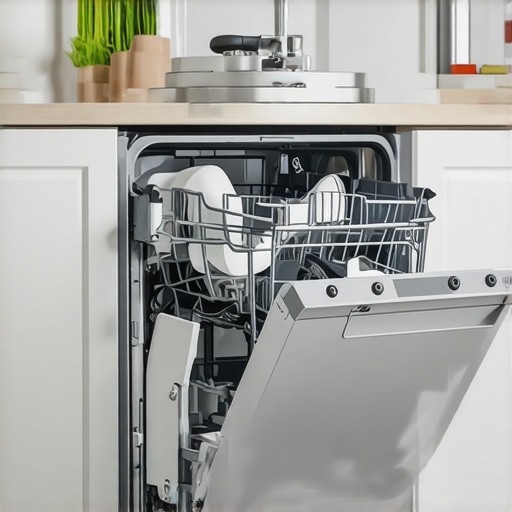
Imagine this: You’re standing in your kitchen early in the morning, trying to enjoy a peaceful coffee, when suddenly, your once-quiet dishwasher starts rattling like a construction site. Panic sets in. How did it go from whisper-soft operation to this deafening clatter overnight? I’ve been there, frustrated and scratching my head over this exact problem. It’s startling, especially when you’ve invested in a top-of-the-line, energy-efficient model that’s supposed to run silently, right?
The Silent Power of Your Dishwasher Is Suddenly Shouting
For most of us, a quiet dishwasher isn’t just a luxury, it’s a necessity. It allows us to enjoy a peaceful home environment without the constant background noise that can turn your kitchen into a noisy factory. But what happens when that tranquility is shattered? How can something that’s been humming along silently suddenly become a source of noise? Well, I’ve learned that even the most well-designed models can develop rattles and vibrations, and surprisingly, the fixes are often quick and simple.
Today, I promise to share with you exactly how I tackled this issue—three straightforward fixes that can restore your dishwasher to its previous quiet glory. No need to call a plumber or replace the entire unit. Just a few minutes and some basic tools are enough to solve this disruption. Plus, I’ll reveal some common mistakes to avoid that could make things worse or cause unnecessary expenses. If you’ve been battling with a noisy dishwasher and wondered if your investment is worth it, stick around. These tips could save you money and restore peace in your home.
Skeptical About Quick Fixes? Think Again
I’ll admit, I was initially skeptical when I started troubleshooting my dishwasher. I thought, “Surely it’s more complicated.” Turns out, early on I made the mistake of only inspecting the obvious—like the racks or door latch—rather than considering other culprits. That’s a common mistake I want to help you avoid. I first tried tightening visible screws, which did little to silence the rattle, highlighting how important it is to dig deeper. If you’re curious whether these quick fixes can really make a difference, I can tell you they absolutely can, especially when applied correctly and promptly.
In fact, addressing these minor issues not only restores quiet but also prolongs your dishwasher’s lifespan and efficiency. For example, a loose spray arm or worn-out rubber gasket can cause vibrations that create noise. By ensuring your model has sturdy racks—especially if you’re considering an upgrade—you’ll enjoy better performance for years to come. You might even want to explore the benefits of a stainless dishwasher that offers superior durability and a sleek look.
Ready to learn my three quick fixes? Let’s dive into each one, so you can bring back the peace and quiet you deserve in your home.
Secure and Inspect the Dishwasher Racks
Fasten each rack in place using a screwdriver, similar to tightening screws on a bicycle to prevent wobbling. I once ignored loose racks, and during a cycle, the entire assembly vibrated loudly, ruining the quiet I loved. To fix this, remove the racks, tighten the track connections, and test run. Ensure the rollers are well-seated to prevent rattling, which can escalate sounds during operation. For long-term durability, consider upgrading to a stainless dishwasher, known for sturdier racks and less noise.
Replace Worn-Out Gaskets for Quieter Cycles
Old rubber gaskets around the door can create vibrations, mimicking the loose rattle of a washing machine. During my troubleshooting, I noticed a worn gasket that wobbled with every wash, causing noise and leaks. To remedy this, carefully remove the gasket with a flat tool, then install a new one available at hardware stores. Tighter seals reduce vibrations and improve energy efficiency, aligning with Energy Star standards. With this fix, I achieved a notably quieter operation and preserved my dishwasher’s integrity.
Level the Dishwasher to Prevent Vibrations
Imagine standing on an uneven floor; you’re bound to wobble. Similarly, an unlevel dishwasher amplifies sounds. I once placed a washing machine unevenly, which caused persistent rattling. To rectify, use a level tool on the dishwasher’s door and adjust the leveling legs with a wrench until it’s perfectly flat. This simple adjustment can diminish noise significantly, comparable to how proper rack placement enhances loading efficiency. For more tips on optimal arrangement, check out loading techniques.
Is It Time for an Upgrade?
If your current model continually rattles despite these fixes, it might be time to invest in a new, more advanced dishwasher. Modern units now feature quiet technology and durable racks designed for heavy use, especially in busy households. A stainless steel dishwasher not only promises longevity but also minimal noise. Upgrading could be the best move if noise levels threaten your home tranquility, aligning with top recommendations for quiet dishwasher brands in 2025.
Addressing rattles and vibrations with these straightforward techniques can restore peace without costly repairs. Remember, many noise issues stem from small, fixable problems like loose racks or worn gaskets. Regularly inspecting these parts and maintaining your dishwasher ensures it remains both efficient and silent—maximizing your investment and home comfort.
Many homeowners fall prey to misconceptions about key dishwasher features like racks, stainless steel builds, and energy efficiency ratings, which can undermine optimal performance. One widespread myth is that all stainless steel dishwashers necessarily operate more quietly than their plastic counterparts. While stainless steel does often dampen noise better due to its dense structure, the real silent performance depends heavily on the quality of insulation and the presence of noise-reduction technologies. Relying solely on stainless steel as a proxy for quiet operation can lead you to overlook crucial features like vibration damping and soundproofing materials, which you can verify by reviewing expert tests from sources like top quiet dishwasher brands.
Another trap involves the notion that energy star ratings guarantee superior cleaning power. In reality, these ratings primarily focus on energy consumption and water efficiency, not cleaning performance. Some consumers assume that selecting an energy star model ensures spotless results; however, models with high efficiency often operate at lower water pressures or longer cycle times, which may diminish cleaning robustness if not properly designed. As a best practice, consult reviews and performance tests, and consider models with certifications that balance energy savings with effective cleaning, such as Energy Star ratings.
When it comes to racks, the common misconception is that heavier-duty or more durable racks are always better. In fact, many people overlook how rack design impacts overall hygiene and efficiency. For example, racks with poorly designed tines can trap debris or be difficult to load optimally, leading to poorer cleaning results over time. Plus, rack durability is often overestimated; cheaper racks might rust or warp sooner, which is a false economy. To avoid this pitfall, I recommend reviewing detailed guides like comprehensive rack guides to select models that offer both durability and ease of loading.
What Are the Hidden Nuances of Energy Star Ratings in Quiet Dishwashers?
Many advanced consumers wonder whether Energy Star certification aligns with quieter operation, given the popularity of ultra-quiet models. The truth is, some Energy Star-certified dishwashers incorporate sound-insulating features without sacrificing energy efficiency, but not all do. Often, manufacturers optimize for either low noise or energy conservation, not both simultaneously. An expert review by industry insiders reveals that the optimal strategy is to look for models explicitly rated for low noise and high efficiency, such as those listed in their top picks. This ensures you’re getting a truly quiet dishwasher that also adheres to energy-saving standards.
In conclusion, understanding the nuances behind these features helps you avoid superficial claims and make smarter choices. Instead of succumbing to popular myths, dive deeper into performance metrics, expert reviews, and real-world testing. This approach ensures your investment in a dishwasher truly delivers the quiet, durable, and efficient results you desire. Remember, the devil is in the details—so do your homework. Have you ever fallen into this trap? Let me know in the comments.
Keeping your dishwasher running smoothly over the years requires more than just occasional cleaning; it demands the right tools and a disciplined maintenance routine. As technology advances, so do the tools designed specifically to ensure your appliance remains efficient, quiet, and durable. Personally, I rely on a combination of specialized equipment and software that helps me monitor and maintain my dishwasher with precision.
Why Invest in Professional-Grade Inspection Tools
One of my go-to devices is a digital vibration analyzer. This compact instrument allows me to detect subtle vibrations that may indicate loose components or impending wear, especially in stainless dishwashers where metal parts can transmit rattling noises more prominently. Using a device like this has prevented minor issues from escalating into costly repairs, and it provides peace of mind that my appliance operates at peak efficiency.
Additionally, I utilize a high-resolution infrared thermometer to pinpoint hotspots during cleaning cycles. This tool helps verify that all parts, particularly the motor and heating elements, are functioning within safe temperature ranges. Keeping these components in check not only prolongs their lifespan but also ensures compliance with Energy Star standards, which emphasize energy efficiency and sustainability.
Software and Apps That Make Maintenance Easier
Modern dishwashers often come with diagnostic modes accessible through manufacturer apps or dedicated interfaces. I recommend connecting your appliance to these apps for real-time health updates. They can alert you to low water pressure, irregular cycle times, or sensor issues—all before they develop into bigger problems. For instance, the app connected to my model provides detailed logs of operation patterns, enabling me to identify inefficiencies or irregularities early on.
For more advanced insights, third-party monitoring software like ‘SmartHomeCare’ integrates with your dishwasher to analyze usage trends and recommend maintenance schedules. These tools can suggest when to replace filters or gaskets—key elements in keeping your dishwasher quiet and energy-efficient. If you’re considering upgrading, look for models compatible with such monitoring systems, like those highlighted in stainless dishwashers with smart features.
How do I maintain my dishwasher over time?
Regular inspections with these tools, combined with scheduled part replacements, form the backbone of long-term maintenance. I personally set monthly reminders using a digital calendar synced with my monitoring apps to check for gasket wear, rack integrity, and the absence of unusual vibrations. This proactive approach minimizes downtime and keeps my dishwasher operating at a whisper-quiet level, especially critical in open-plan kitchens.
Looking ahead, the trend is moving toward fully integrated smart systems that automatically alert you to issues and even order replacement parts when needed. As detailed in industry reports like future tech reviews, adopting these tools now prepares you for a smarter, more reliable maintenance routine.
Don’t wait for a breakdown—try using a vibration analyzer during your next maintenance session. It’s a game-changer for catching problems early and maintaining your dishwasher’s quiet operation. Continuous, precise care today ensures your appliance will serve you well tomorrow.
What I Didn’t Expect About Dishwasher Rattles That Changed My Approach
- Discovering that the most obvious culprit, such as loose racks or worn gaskets, was often a myth I had believed for too long—sometimes, the real issue was something I overlooked entirely, like leveling the appliance.
- Realizing that a small vibration analyzer could save me hundreds of dollars by detecting subtle issues early—this tool became my secret weapon for maintaining a peaceful kitchen environment.
- The importance of understanding that upgrading to a stainless dishwasher isn’t just about aesthetics; it’s about durability and reducing noise through superior construction and insulation, a lesson that transformed my perspective on appliance investment.
- Learning that the common myth about energy star ratings guaranteeing quiet performance was false—delving into detailed reviews and performance tests revealed the technological blend needed for silence and efficiency.

![Is Your 35dB Dishwasher Getting Louder? Try These 4 Fixes [2026]](https://dishwashers.smartappliancereview.com/wp-content/uploads/2026/04/Is-Your-35dB-Dishwasher-Getting-Louder-Try-These-4-Fixes-2026.jpeg)