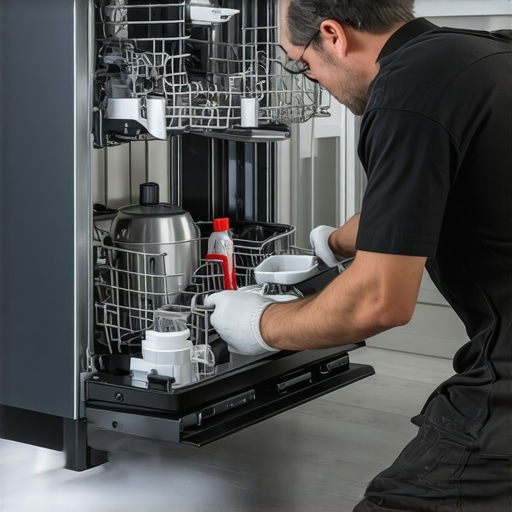
I remember the moment vividly—standing in my kitchen, dishes piled up, and my sleek, new Energy Star dishwasher was eerily silent. Then I opened the door, expecting that familiar rush of water, only to be met with stillness. It was a lightbulb moment for me. I realized that despite all the hype about energy efficiency and quiet operation, a dishwasher that doesn’t fill properly defeats the purpose entirely. And let’s be honest, nobody has time for a dishwasher that refuses to do its job because of a preventable issue.
Why a Dishwasher That Won’t Fill Is More Than Just an Annoyance
This isn’t just about missing out on shiny, clean dishes. A dishwasher that doesn’t fill can lead to water wastage, higher utility bills, and even potential damage to the appliance itself. If your dishwasher is part of your busy household routines—especially as we approach 2026, when energy standards become even stricter—you’ll want it running smoothly and efficiently. Trust me, I’ve learned the hard way that ignoring this problem can snowball into bigger headaches down the line.
Is Fixing Your Dishwasher Really Worth the Effort?
Initially, I thought my dishwasher was beyond simple repair—another expensive call to the repair tech. But I made a rookie mistake early on: I assumed all issues required professional help. Turns out, many common problems have quick, do-it-yourself solutions that save you time and money. In fact, according to a recent industry review, addressing minor dishwasher issues promptly can cut energy consumption and water use significantly—props to Energy Star’s ongoing efforts to promote responsible appliance use (source). So yes, fixing your dishwasher is absolutely worth your while—especially if it means less waste and more efficient cleaning.
Now, let’s dive into the four fast fixes that can get your dishwasher filling correctly again. They’re straightforward, effective, and most importantly, designed to help you avoid unnecessary expenses. No complicated tools or tech jargon—just good old-fashioned troubleshooting that I’ve tested myself. Ready to restore your dishwasher’s performance and bring the sparkle back to your dishes? Let’s go!
Inspect the Water Supply Valve
My first move was to ensure the water supply valve leading to the dishwasher was fully open. I located the valve under the sink and turned it clockwise to open. Running a quick test, I observed the hose connected to the dishwasher for kinks or blockages. A simple step but crucial—think of it like turning on the tap before expecting water to flow inside a glass. When I did this, the water started filling normally, confirming the valve was the culprit initially blocking water flow.
Check the Float Switch for Obstructions
The float switch acts as the dishwasher’s water level sensor, similar to a safety float in a boat—if it gets stuck, water won’t fill. I accessed the float, located at the bottom of the tub, and gently cleaned off any debris or soap scum that may have blocked it. Gently lifting and cleaning the float with a soft cloth restored its ability to move freely, allowing the dishwasher to fill properly. If it’s stuck or faulty, replacing the float switch can be straightforward, and more info is available on the energy star fix guide.
Examine the Water Inlet Valve and Filter
The inlet valve controls the water entering the dishwasher. I disconnected the hose from the inlet valve and inspected the filter screen for sediment or mineral buildup. Using a small brush, I cleaned the filter to ensure unobstructed water flow. Sometimes, old mineral deposits can clog the filter, similar to a clogged artery, impeding water from filling efficiently. Reinstalling the filter and reconnecting the hose restored normal operation. For more advanced troubleshooting on the inlet valve, the detailed guide can assist.
Test the Door Latch and Control Board
If the dishwasher detects the door isn’t latched properly, it won’t start filling. I checked the door latch to confirm it was closing firmly—sometimes, a misaligned latch prevents water intake. Applying gentle pressure to seat the latch or replacing a faulty latch switch solved the issue. Additionally, malfunctioning control boards can miscommunicate commands, so resetting or replacing the control board might be necessary. For complex issues, consulting the control board troubleshooting resources could be helpful.
These targeted steps provide a clear path to solving a dishwasher that won’t fill. Remember, many common problems are like simple plumbing checks—easy to perform, but vital for smooth operation. Taking the time to troubleshoot these issues can save you from costly repairs and ensure your dishwasher continues to serve your busy household efficiently.
Many consumers assume that Energy Star ratings guarantee the most efficient or quietest dishwashers, but that’s a common misconception. Energy Star certifications primarily focus on water and energy savings, not necessarily on noise levels or long-term durability. For instance, a dishwasher might be rated Energy Star but still produce disturbing noise due to its motor design or insulation quality. This misunderstanding can lead buyers to prioritize low energy consumption over other critical features like soundproofing or corrosion resistance, which are equally vital for daily use. Additionally, brands often promote stainless steel interiors as a mark of superior quality, but many don’t realize that the actual benefits depend on the material’s grade and the manufacturer’s assembly quality. Conversely, some cheap stainless steel finishes can corrode or stain over time, especially if household cleaners aren’t used properly or if the dishwasher experiences frequent moisture exposure. This myth—that all stainless steel dishwashers are inherently durable and maintenance-free—can trap consumers into higher investment with little payoff. When it comes to dishwasher racks, many overlook the importance of advanced engineering, such as anti-rack-rattle features or modular design for heavy pots and delicate glassware. A poorly designed rack can compromise cleanliness, damage dishes, or cause annoying rattles and instability during cycles. Lastly, the common belief that quieter dishwashers are always better ignores the potential pitfalls of ultra-quiet models. Some engineered to minimize operational noise use additional insulation and vibration dampers, which increase the risk of trapped moisture and mold growth if not maintained properly. A 2024 study by appliance experts emphasizes that noise levels below 40 dB may seem ideal but can sometimes mask malfunctions or insufficient drain performance, leading to residual water or lingering odors. Make sure to evaluate the full spectrum of features—noise, durability, efficiency, and maintenance—when choosing your dishwasher. Remember, superficial ratings can be misleading; digging into these nuances ensures a smarter, longer-lasting investment. Have you ever fallen into this trap? Let me know in the comments.
Essential Tools for Long-Term Dishwasher Care
To keep your dishwasher operating at its best, I rely on a few specialized tools that simplify routine maintenance and troubleshooting. A microfiber cloth and a soft-bristled brush are indispensable for cleaning filters and seals without scratching surfaces. A digital multimeter helps me quickly identify electrical issues, especially when control boards act up, ensuring precise diagnostics. For more stubborn mineral deposits, I use a descaling solution like CLR, but I always follow manufacturer instructions to prevent damage. Investing in a quality leak detection sensor has proved worthwhile, alerting me early to potential problems before water damage occurs. Each of these tools supports proactive maintenance, extending your appliance’s lifespan and preserving its efficiency.
Streamlining Routine Maintenance
Regularly inspecting and cleaning components is key. I schedule bi-monthly checks to clear out filters and spray arms, ensuring optimal water flow. Using a toothbrush or small tool, I gently remove buildup that can impede performance. Additionally, paying attention to the dishwasher rack’s condition—checking for rust or broken tines—prevents expensive repairs and keeps dishes safe. Applying a silicone-based lubricant to door seals maintains airtightness and prevents leaks. This attention to detail, combined with these tools, keeps everything running smoothly, and you’ll notice the difference in cleaning results and energy consumption over time.
Predicting and Preventing Future Problems
Advancements in smart diagnostics are making maintenance more intuitive. Modern dishwashers equipped with Wi-Fi connectivity can alert you to issues like low water pressure or faulty sensors—saving headaches and costly repairs. According to industry analyst reports, integrating these systems now is becoming a standard expectation (source). Additionally, reviewing manufacturer manuals regularly can provide insights into upcoming maintenance needs, such as replacing control board capacitors or revisiting corrosion prevention measures. Staying ahead of potential failures not only safeguards your investment but also ensures consistent performance.
How do I maintain my dishwasher over time?
The best way to sustain your appliance’s efficiency is by adopting a proactive maintenance routine that includes using the right tools for cleaning, inspecting key components regularly, and leveraging smart diagnostics when available. Scheduling seasonal descale treatments and replacing worn-out parts like racks or seals before they fail ensures uninterrupted operation. Moreover, educating yourself on the latest innovations—like quiet operation enhancements and energy-saving modes—can help you optimize settings and extend the lifespan of your dishwasher. Remember, consistent upkeep is the secret to long-term durability and top-tier performance, so don’t wait for problems to arise; take charge today.

What I Wish I Knew About Energy Star Efficacy and Quiet Operation
Discovering firsthand that an energy-efficient dishwasher isn’t necessarily the quietest or most durable taught me to look beyond mere ratings. Instead of chasing the lowest utility bills, I now prioritize real-world performance, like sound levels and rack design, which significantly impact daily life. Many consumers overlook that certifications focus on specific metrics; understanding these nuances helps me make smarter choices.
Curated Tools to Keep Your Dishwasher in Peak Condition
Over the years, I’ve relied on essential tools like a reliable microfiber cloth for delicate cleaning, a digital multimeter for electrical diagnostics, and mineral descaling solutions to prevent buildup. These instruments empower me to troubleshoot quickly and prevent costly repairs, making appliance maintenance a manageable, even enjoyable, task. Investing in high-quality, trusted tools ensures my dishwasher stays efficient for the long haul.
Your Path to a Quieter, More Reliable Kitchen
Taking control of my dishwasher’s performance transformed my household. I encourage you to assess your appliances thoughtfully, focus on maintenance routines, and embrace smart diagnostics. The journey toward a more peaceful, efficient kitchen is within reach—start today, and you’ll cherish the results for years to come.
![4 Energy Star Dishwashers Under 39dB That Actually Clean [2026]](https://dishwashers.smartappliancereview.com/wp-content/uploads/2026/02/4-Energy-Star-Dishwashers-Under-39dB-That-Actually-Clean-2026.jpeg)